
Read the full article on KETV 7

President Donald Trump announced a new 10% global tariff after the Supreme Court struck down his use of emergency powers under the International Emergency Economic Powers Act (IEEPA) to impose sweeping tariffs, which he referred to as “liberation day tariffs.”Trump criticized the Supreme Court’s decision, saying, “The Supreme Court’s ruling on tariffs is deeply disappointing. And I’m ashamed of certain members of the court, absolutely ashamed for not having the courage to do what’s right for our country.” The President also accused some of being “disloyal to the Constitution.”Despite the ruling, Trump argued that it actually strengthens his tariff authority, claiming the court confirmed his ability to block, restrict, or embargo trade and to use other laws to impose tariffs.The new 10% tariff will be imposed under Section 122 of the Trade Act of 1974, an authority that allows the president to enact temporary tariffs to address unbalanced trade. The law limits such tariffs to 150 days unless Congress votes to extend them.Trump also pointed to other trade statutes he said could be used to impose additional tariffs, including Section 232 of the Trade Expansion Act of 1962 and Section 301 of the Trade Act of 1974.Section 232 allows tariffs on imports deemed a national security threat and has previously been used to impose duties on steel, aluminum and automobiles. Section 301 permits tariffs following investigations into unfair trade practices and has been used extensively against China.Unlike the emergency powers he relied on before, both authorities require formal investigations and procedural steps, potentially limiting how quickly new tariffs could take effect.Trump stated that existing national security tariffs will remain in place and suggested that tariff revenue will increase, allowing him to charge more than before.When asked about the potential increase in tariff rates, Trump said, “Potentially higher.” When pressed on how much higher, he said, “It depends. Whatever we want them to be.”However, some Republicans, Democrats, and trade experts dispute Trump’s interpretation, suggesting the ruling imposes new limits on his power and could lead to more legal uncertainty for businesses and consumers.Regarding whether Trump needs to return to Congress for tariff authorization, he stated, “I don’t have to. I have the right to do tariffs,” using different tools.But the Supreme Court indicated that clear authorization from Congress for tariffs is necessary, potentially setting up a new legal battle.On the issue of refunds, the Supreme Court did not order the government to issue refunds for tariffs already paid, and Trump expressed frustration, predicting, “We’ll end up being in court for the next five years.” Several companies have already filed lawsuits seeking refunds for the $133 billion that has been collected from IEEPA tariffs.Congressional Republican leaders have expressed their intention to collaborate with the White House to implement new tariffs.
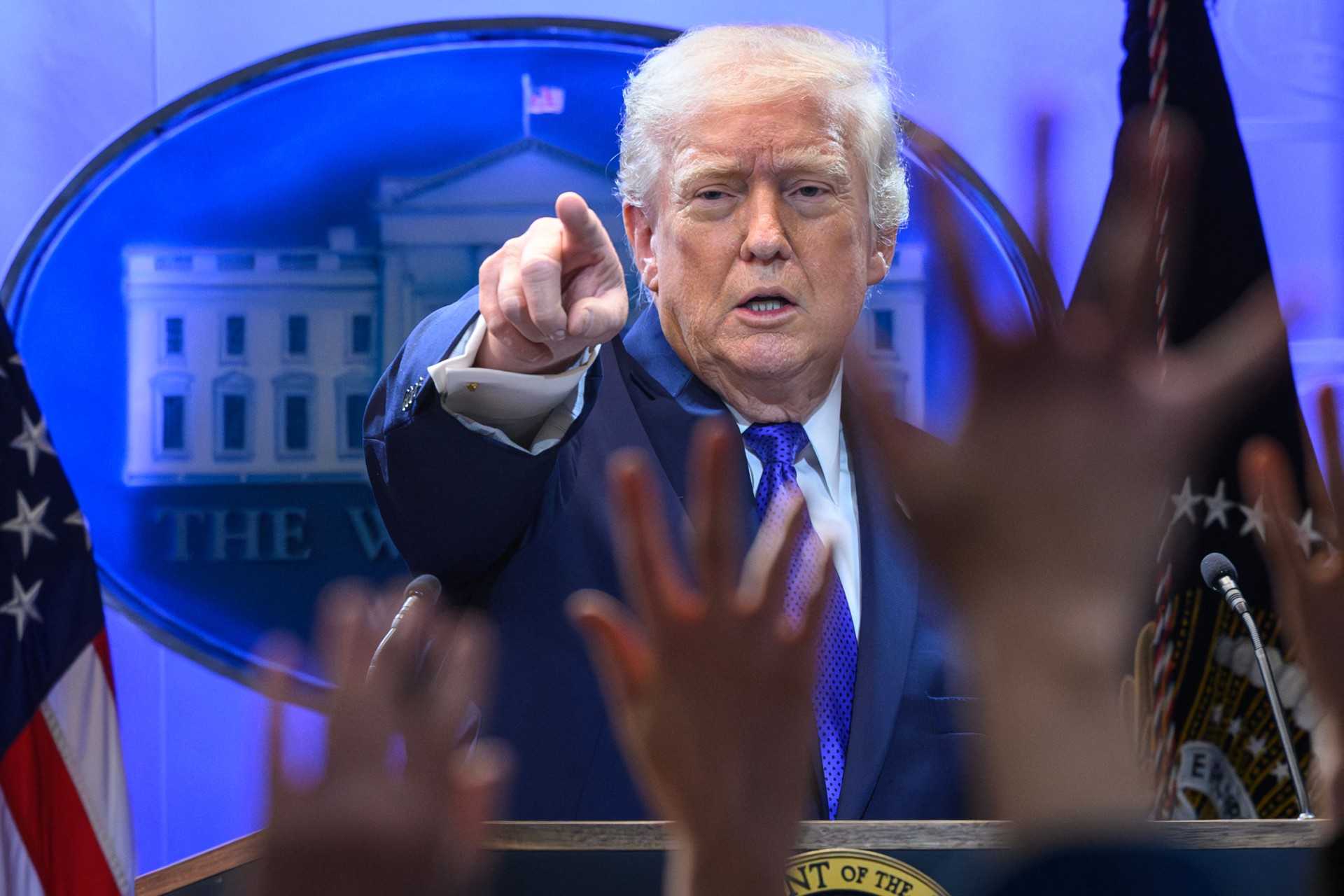
President Donald Trump announced a new 10% global tariff after the Supreme Court struck down his use of emergency powers under the International Emergency Economic Powers Act (IEEPA) to impose sweeping tariffs, which he referred to as “liberation day tariffs.”
Trump criticized the Supreme Court’s decision, saying, “The Supreme Court’s ruling on tariffs is deeply disappointing. And I’m ashamed of certain members of the court, absolutely ashamed for not having the courage to do what’s right for our country.” The President also accused some of being “disloyal to the Constitution.”
Advertisement
Despite the ruling, Trump argued that it actually strengthens his tariff authority, claiming the court confirmed his ability to block, restrict, or embargo trade and to use other laws to impose tariffs.
The new 10% tariff will be imposed under Section 122 of the Trade Act of 1974, an authority that allows the president to enact temporary tariffs to address unbalanced trade. The law limits such tariffs to 150 days unless Congress votes to extend them.
Trump also pointed to other trade statutes he said could be used to impose additional tariffs, including Section 232 of the Trade Expansion Act of 1962 and Section 301 of the Trade Act of 1974.
Section 232 allows tariffs on imports deemed a national security threat and has previously been used to impose duties on steel, aluminum and automobiles. Section 301 permits tariffs following investigations into unfair trade practices and has been used extensively against China.
Unlike the emergency powers he relied on before, both authorities require formal investigations and procedural steps, potentially limiting how quickly new tariffs could take effect.
Trump stated that existing national security tariffs will remain in place and suggested that tariff revenue will increase, allowing him to charge more than before.
When asked about the potential increase in tariff rates, Trump said, “Potentially higher.” When pressed on how much higher, he said, “It depends. Whatever we want them to be.”
However, some Republicans, Democrats, and trade experts dispute Trump’s interpretation, suggesting the ruling imposes new limits on his power and could lead to more legal uncertainty for businesses and consumers.
Regarding whether Trump needs to return to Congress for tariff authorization, he stated, “I don’t have to. I have the right to do tariffs,” using different tools.
But the Supreme Court indicated that clear authorization from Congress for tariffs is necessary, potentially setting up a new legal battle.
On the issue of refunds, the Supreme Court did not order the government to issue refunds for tariffs already paid, and Trump expressed frustration, predicting, “We’ll end up being in court for the next five years.” Several companies have already filed lawsuits seeking refunds for the $133 billion that has been collected from IEEPA tariffs.
Congressional Republican leaders have expressed their intention to collaborate with the White House to implement new tariffs.