

Read the full article on KETV 7
A treaty between Russia and the United States designed to cap nuclear weapons is due to expire on Thursday without further action.That would lift limits on the world’s largest nuclear arsenals for the first time in half a century. Experts fear it could lead to a runaway arms race.”That’s a risk, not only for the United States and Russia, but for the entire world. The more nuclear weapons that are deployed on strategic systems, the more possibilities for potential nuclear use,” said Alexandra Bell, a former diplomat and president of the Bulletin of the Atomic Scientists.The New START Treaty was signed by former President Barack Obama and his Russian counterpart in 2010 to maintain restraints on atomic arsenals. It also included data-sharing agreements that gave both countries visibility into the other side’s arsenal, according to Bell. “Starting tomorrow, we’re going to be guessing,” Bell said. “Estimates can lead to miscalculations and misperceptions. That’s exactly what led to a runaway nuclear arms race during the Cold War, because we didn’t understand what each other were doing, and we had to take a worst-case scenario approach.”The pact also included on-site inspections to verify compliance, but those stopped during the COVID-19 pandemic. Russia later suspended participation following its invasion of Ukraine. Russian President Vladimir Putin has signaled a willingness to extend the core limits of the nuclear treaty, but President Donald Trump has yet to commit to that. On Wednesday, a White House official said that the president will decide the path forward “on his own timeline.” The unnamed official, who responded to emailed questions, added that President Trump has indicated that he would like to keep limits on nuclear weapons while also involving China in arms control talks. Secretary of State Marco Rubio echoed that sentiment on Wednesday. “The president’s been clear in the past that in order to have true arms control in the 21st century, it’s impossible to do something that doesn’t include China because of their vast and rapidly growing stockpile,” Rubio said. The Arms Control Association pushed back on those remarks in a statement on Wednesday. “Rubio, and the Trump administration as a whole, have failed to explain how the Trump administration seeks to involve China (and Russia) in future nuclear risk reduction efforts,” the statement said.The association urged the Trump administration to propose bilateral talks with China. Separately, they want the U.S. and Russia to maintain mutual restraints on their strategic nuclear arsenals and resume bilateral talks on further reductions.In a social media post on Wednesday, Trump described a wide-ranging phone call with Chinese President Xi Jinping, but didn’t explicitly mention arms control talks with China. He said they discussed the current situation with Iran, as President Trump pressures Tehran to make concessions over its nuclear program.
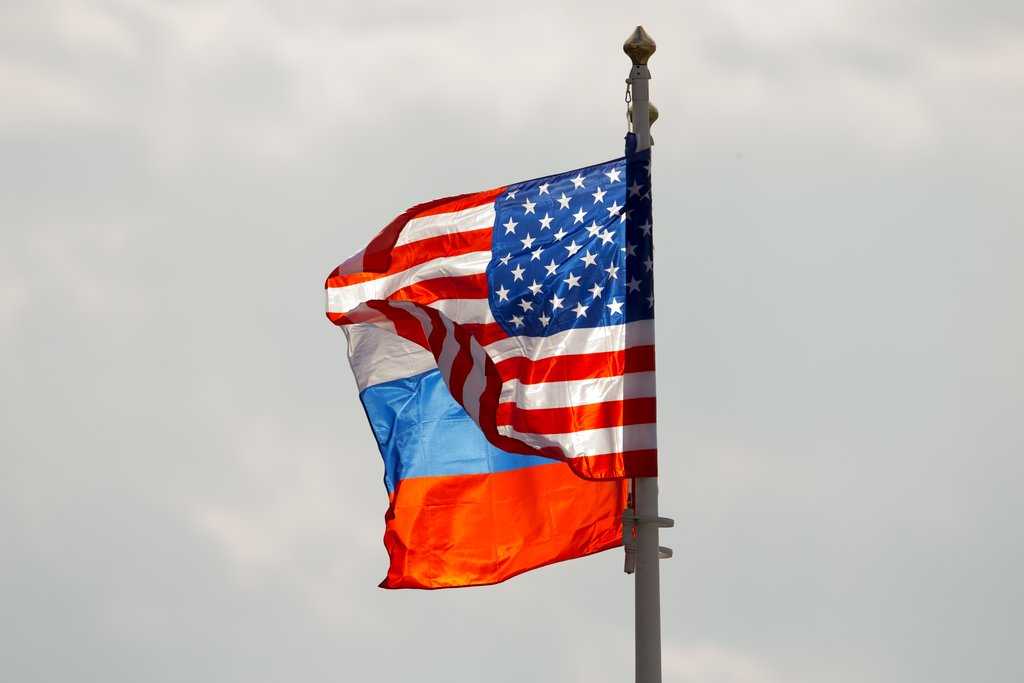
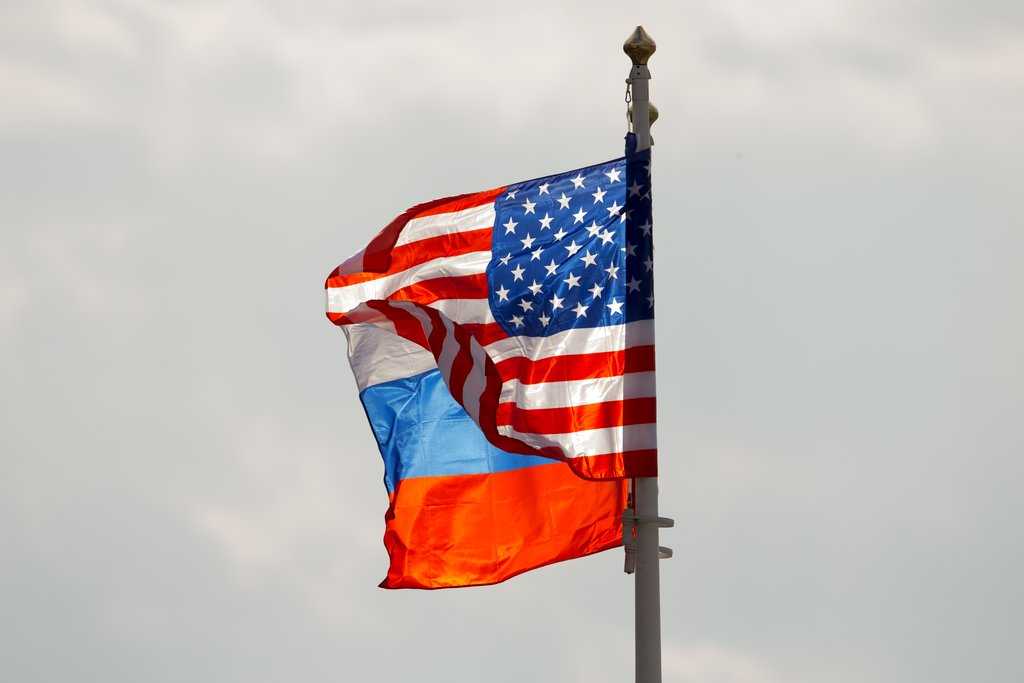
A treaty between Russia and the United States designed to cap nuclear weapons is due to expire on Thursday without further action.
That would lift limits on the world’s largest nuclear arsenals for the first time in half a century. Experts fear it could lead to a runaway arms race.
Advertisement
“That’s a risk, not only for the United States and Russia, but for the entire world. The more nuclear weapons that are deployed on strategic systems, the more possibilities for potential nuclear use,” said Alexandra Bell, a former diplomat and president of the Bulletin of the Atomic Scientists.
The New START Treaty was signed by former President Barack Obama and his Russian counterpart in 2010 to maintain restraints on atomic arsenals. It also included data-sharing agreements that gave both countries visibility into the other side’s arsenal, according to Bell.
“Starting tomorrow, we’re going to be guessing,” Bell said. “Estimates can lead to miscalculations and misperceptions. That’s exactly what led to a runaway nuclear arms race during the Cold War, because we didn’t understand what each other were doing, and we had to take a worst-case scenario approach.”
The pact also included on-site inspections to verify compliance, but those stopped during the COVID-19 pandemic. Russia later suspended participation following its invasion of Ukraine.
Russian President Vladimir Putin has signaled a willingness to extend the core limits of the nuclear treaty, but President Donald Trump has yet to commit to that.
On Wednesday, a White House official said that the president will decide the path forward “on his own timeline.” The unnamed official, who responded to emailed questions, added that President Trump has indicated that he would like to keep limits on nuclear weapons while also involving China in arms control talks.
Secretary of State Marco Rubio echoed that sentiment on Wednesday.
“The president’s been clear in the past that in order to have true arms control in the 21st century, it’s impossible to do something that doesn’t include China because of their vast and rapidly growing stockpile,” Rubio said.
The Arms Control Association pushed back on those remarks in a statement on Wednesday.
“Rubio, and the Trump administration as a whole, have failed to explain how the Trump administration seeks to involve China (and Russia) in future nuclear risk reduction efforts,” the statement said.
The association urged the Trump administration to propose bilateral talks with China. Separately, they want the U.S. and Russia to maintain mutual restraints on their strategic nuclear arsenals and resume bilateral talks on further reductions.
In a social media post on Wednesday, Trump described a wide-ranging phone call with Chinese President Xi Jinping, but didn’t explicitly mention arms control talks with China. He said they discussed the current situation with Iran, as President Trump pressures Tehran to make concessions over its nuclear program.