
Read the full article on KETV 7
Bryce Bennett gets emotional after final Olympic downhill race
“You bring your life into it. And the sacrifice they make is just tough,” the new father said of his family.
Olympic skier Bryce Bennett has been called *** lot of things. 14 year member of the US ski team, two-time Olympian, at 6’7, tallest dune on the US ski team, and well, pretty much everywhere else that he goes. But Bryce has got *** new title heading into the Milan Cortina Olympics. Dad, how’s that? Yeah, I’m getting used to it. And being *** dad is changing how he approaches going for that third Olympic team. All right, so for context, there were 224 athletes on the 2022 Winter Olympic team for Team USA. Only 8 of them were parents. I’m Deirdre Fitzpatrick, and I’m this dying to ask the road to Milan Cortina, the edge Olympic parents can have in training and competition. How Bryce stays motivated after spending nearly half his life on the US ski team and the value of having hobbies outside your day job. Download Dying to Ask the Road to Milan Cortina on Apple or Spotify, or you can watch my interview with Bryce Bennett right here. Um, you’ve been called lots of things. 2-time Olympian, World Cup winner, always the tallest man on the ski circuit. Got that one locked in, but now you got *** new title, and that’s Dad. How’s that? Yeah, I’m getting used to it. Are you? Yeah, takes *** minute. You’re like, mom, dad, you’re like, yeah, yeah, it’s new it’s, but how, what, what, what do you notice is like the biggest change other than the obvious, but like what’s the biggest change for you life wise? Or the Yeah, I mean, *** lot of things changed like your responsibility is through the roof, um, slowest drive home ever from the hospital too, huh? Yeah, luckily we only had to go like 2 minutes which I live. But yeah, you’re like you all buckled in like. Make sure you’re good here. Yeah, and that’s the other thing when you’re driving with her you’re like, I’m not gonna try and make pull out in front of that person. You definitely drive different, but uh. No, it’s been, it’s been, uh, it’s been slowing, slowing, I think us down *** little bit where. Like I’ll go to the gym. Kelly, Kelly’s finishing work right now. She was on maternity leave and then she’s finishing up work and then. So I’ll, I’ll go to the gym, go work out and then come back and then you’re just kind of hanging out, you know, laying on the mat, doing some tummy time. Playing with creak Le bucks and Yeah, going on little hikes and walks and stuff like that, and then. Yeah, generally I’ll train *** little bit in the afternoon and. It’s just my time in between is. Yeah, it’s just slowed down *** little bit, which is honestly nice as I’m getting older I need more rest. You’re getting your nap time in, yeah, that’s great. Uh, as you look ahead to, you know, going for *** 3rd Olympics, how do you think being *** parent changes you as an athlete because it is interesting with all the the. Olympic athletes I’ve interviewed over the years, the parents have *** different kind of focus and even the people who put in gazillions of hours of training when somebody becomes *** parent, there’s *** different level of focus that you see every single time. My ideal like story would be like just have an insane season this year. Which is doable. Win the Olympics and then you just take all of your trophies and stuff and you just put them in *** box and put them like deep in the basement, you know, and then you go on, you live your life, you raise your kids and then one day she’ll be like. Opening up boxes, be like, what’s this? And you’re like, oh back in the day. I did this one thing, you know, so I’m like. I don’t, yeah, I think. Having success as an athlete and having kids is tough, right? I think that puts pressure. I’ve seen it with *** lot of other successful. Uh, athletic. Parents, it’s like then you put that expectation on your kids and I’m. There’s *** part of me that I just want it to be like these old tales or something, you know. Um, I’m not sure if that’s *** life plan or *** Hallmark movie exactly *** real Hallmark movie and selling it and then, uh. Yeah, but in the moment, you know, it definitely gives you *** different. *** different perspective, something greater it’s *** greater purpose, you know, like what’s more motivating than finding success and. And sharing that with your family and your your daughter and your wife and. So I think that aspect of it is, is cool because I think when you’re just, when you’re married or you’re single and you’re trying to. Like Do this thing, it’s like *** selfish endeavor in some ways, you know, it’s really like. It’s not an including thing. It’s like, yeah, I’m gonna go away for. Months I’ll see you in *** couple of months, honey. I’m gonna go do this thing over in Europe and just ski race, you know, I mean it’s, it’s *** family commitment, yeah, so now like. You have to keep we’re we’re keeping the family together, not that we didn’t before, but. It’s just the meanings greater. Is that something we always think about women planning athletic careers around family, like, especially with the Olympics like trying to time you always think about women, you know, for the obvious reasons, but that’s also for men too, like trying to figure out like what’s the time to kind of move on to that next part in your life and I think it’s really cool that you’re prioritizing everything like you’re not missing out on any part of your life, it sounds like. Yeah, for your day job. Yeah. And that’s what I like I tell myself and I tell younger kids, it’s like ski racing is what you do, it’s not who you are. You know, don’t let ski racing just. Or any sport just define you. You know, it’s like it’s OK that it’s like. This is the thing I’m really good at and I love doing it, and I can put all my effort into it, but like. It’s not me like there’s other parts to me, and like those need attention too. Is that the difference of of um. Mental toughness for some people because some people are not like that they are all or nothing and from the time they were born someone else has maybe decided you need to be an Olympic athlete you need to win the medal. um, is that, is that like to me like that would seem like *** really healthy way to do life in general. Yeah, I mean, I, I get plagued by it all the time where I’m like I’m an all or nothing guy with anything in life and like I’ll catch myself and be like bump the brakes here. This other thing in your life needs attention too like you can’t just go full everything into this random thing whether that’s like for me fishing or like hunting or bike riding or like these things that I’ll just get like I gotta get better I gotta get better like how do I do this better like I where can I learn more like. What books can I read like, who can I ask questions, you know, but then sometimes I’m like, all right. Pump the brakes, you got some time here and just like give it some time. Let’s just like focus on some other things like this. You can let it develop over years and years, you know, like you, you gotta have patience with it I guess. Is that something you’ve always been able to do or is that something that came with age? I think cause I just had like. I just was grateful for like the good things in my life and when I had him going on in my life that it was like kind of easy to give attention to those things and then I think I just developed *** perspective around it probably with age. What is um? The craziest perk you’ve ever had in this job, craziest perk? Yeah, like what’s the craziest thing that’s happened where you were like, I can’t believe this is happening just because I’m *** skier. Uh, well, actually probably like. Yeah, this Ah In the spring when Kelly was my wife, my wife was due. And she was due on our last race of the year. Everything got canceled. I missed my flight. I called one of the trustees. He pulled the plane out of the hanger and then I hopped on this jet and then I flew home and it was the two pilots and me in this pretty nice jet. I’m like flying home and I’m like. Jeez, that is, that is privilege. That’s pretty baller move right there. Yeah, it’s pretty sweet. And then, yeah, I was home from some valley and I think 30 minutes and back with the back with my wife, so. There’s things like that and Yeah, the perks aren’t like incredible in ski racing. What, what is it that people think ski racing is like and what is it really like? I think people think that it’s you’re like oh you’re like this these rock stars in Europe and like and there’s like *** little truth to that I would say for sure you know but for the most part it’s like you’re staying in these pretty dainty hotels and you’re training in some very deep dark valleys before the lift opens and it’s cold and dark and. It’s *** grind for sure like we’re going down to Argentina and Ushua and we stay at this place and the food is not good and it’s not good for 3 weeks, you know, and it’s like yeah you go out to eat I guess every single night but that’s. That’s tough, you know, so like eating. Pretty rough food for 3 weeks and then again we gotta drive 40 minutes to the hill which. Doesn’t seem like that big of *** deal, but every day and then you’re there. You get on the lift at like 6 in the morning. So it’s like, it’s *** grind for sure. But then there’s other aspects where you are in like these beautiful places and you look around in the Alps or the dull nights and you’re like. That’s worth it. That’s pretty sweet, sweetie. I’m trying to remember which year somewhere in Europe last season. I remember seeing it on YouTube or Instagram. There was um. *** *** start house that you actually had to duck to get out of. Do you remember that one? I think that was in uh Nor Norway. It was in Norway. Well they, for years I’ve been like, hey. Cause they have the all the sponsors, you know, over the start house, you know, there’s like the start one and you gotta go through this little thing and on the outside it’s like Audi and. World Cup and like the, you know, all the title sponsors. And for the longest time, it came up to about here. So every time I have to like get. Crawl under it and then uh. This year they finally built one that was tall enough. It was like it’s your mark on the sport right there. Yeah, but then they didn’t bring the new one up to Norway and then I was like docking again and they thought it was funny and they’re taking videos and I’m like, yeah, I guess it’s funny. Yeah. Uh, whenever we start in Olympics, they, the first day they always put US ski team or US Olympic team will put out like their factoids, so they do, you know, how many siblings, how many parents, who’s the shortest, who’s the tallest, and whenever people are reading it out I’m like, I got the tallest one he’s from my area. You’re 6’7. I’m curious to know how height plays into skiing in terms of the mechanics of what you do. Yeah, in some ways, being tall is helpful. When I’m in the right position. And I’m able to Like really create *** lot of leverage. Uh, I can create *** lot of leverage on the front of my boot. I can bend the ski really hard and I can create power. That’s essentially what we’re doing. You’re trying to bend the ski and create power. And what I do is downhill, so you’re going. Almost upwards of 100 miles an hour in some sections you’re averaging probably 75 to 80 miles an hour. And when you’re not in *** tuck, especially me, when I’m not in *** tuck, I’m *** I’m *** sail. I’m ***, I should be in America’s Cup as the sail, uh, so aerodynamically I’m slow and then *** lot of the equipment was not made for me so I have to like figure out ways to make it work for for *** size 15 ft and. Just being overall bigger, so does it change the gear too? What’s that? Does your gear have to be customized then to make it work right? Yeah, the boots like to get *** pair of boots. In *** place where you can. Like each pair probably takes like, it’s probably like 40 hours of work put into the boot. Before I even go skiing on it, so it’s *** lot of time and effort, and there’s so many times where those things get built and I’ll take one run and be like, no, those aren’t it. And you’re like, I feel really bad now because it’s *** whole process like you gotta like source materials from different countries just to like make this thing work so Frank and son boot. Very high maintenance. It’s *** good thing people like you. I’m *** princess. You’re the princess of skiing, but I will tell you I’m *** princess and I need some help, so. Generally they come and help. So heading toward *** 3rd Olympics for you just uh with an incredible career, what does *** 3rd Olympics mean for you? Yeah, it’s uh. I mean, it’s just you’ve been in ***. At the top of your sport for. I Yeah, 12 years. So it’s just like. This one I really want to cherish because I don’t think I’ll make. There’s no chance I’m gonna push another 4 years. So this one I, I really like. And it’s in Italy I really wanna like Enjoy it, like I wanna. Enjoy the entire process of it. I wanna go to opening ceremonies. I don’t care if it interferes with training runs and it’s *** pain in the *** to get there. I just really wanna. Enjoy every aspect of it and. Cause that’s what I did in Korea. And people thought I was like I was kind of nuts, uh, you get pins, you know, and I went psycho because I remember I had like this 3rd grade project and I had this huge pin collection so there’s like this weird whatever like pins. But I ran around to everyone before opening ceremonies. We were all like, and like everyone’s there and I was like. I, I think they give you like 50 pins maybe and then I, people didn’t wanna trade pins so I was like give me like you say like give me give me the pins give me 20 of them, you give me 10. So then I ended up with like probably 150 pins and then I just went on *** trading mission, you know. And I think that was like one of the my. I mean it’d be better to win *** medal I think but it was cool to like interact with everyone and like really enjoy the experience yeah enjoy what the Olympics is about and I think that often gets overlooked where it’s like, yeah, it’s all about winning medals. In my sport, it’s It’s *** minute. Probably about 1 minute 40 downhill, 1 minute 50 downhill. Anything can happen separated by hundreds of *** second, conditions changing all the time, like to put all your emphasis and like I’m gonna win that thing. Yeah it’s tough, you know, so I’m just gonna enjoy the entire experience, enjoy what it is, obviously I’m gonna give my best effort and what comes comes and. That’s kind of how I wanna. I want to experience it, you know, have the family there, enjoy it with the family, get them involved and. Yeah. Just see the, see what the Olympics is about, you know, it’s about celebrating high level athletes competing at the highest level. And, and it can’t, and the Olympics also does bring out performances that you can’t get on *** regular basis. On your World Cup schedule or something, you know, it brings something different. And I do remember in China actually, the day of our downhill. I somehow got into *** mind space that I’ve never been in, and I remember going up the chair lift and I looked down at the leaves on the tree and I could see. The texture of the leaves and I was like, what is happening right now? And then the wind picked up and it got canceled and then they got moved into another day and I couldn’t get there again. So I’m like, I want that. I wanna just, you know, you’re like, I put all my life’s work. It’d be cool to be like I put all my life’s work into this one run and I just let it happen and it happened like everything just kicked in and it happened so I mean that’s *** good plan for *** ski princess. I hope it happens. Thanks for checking out Dying to Ask the Road to Milan Cortina. You can take the show on the go by downloading it on Apple or Spotify, and you can always watch it on YouTube.
Advertisement
Bryce Bennett gets emotional after final Olympic downhill race
“You bring your life into it. And the sacrifice they make is just tough,” the new father said of his family.

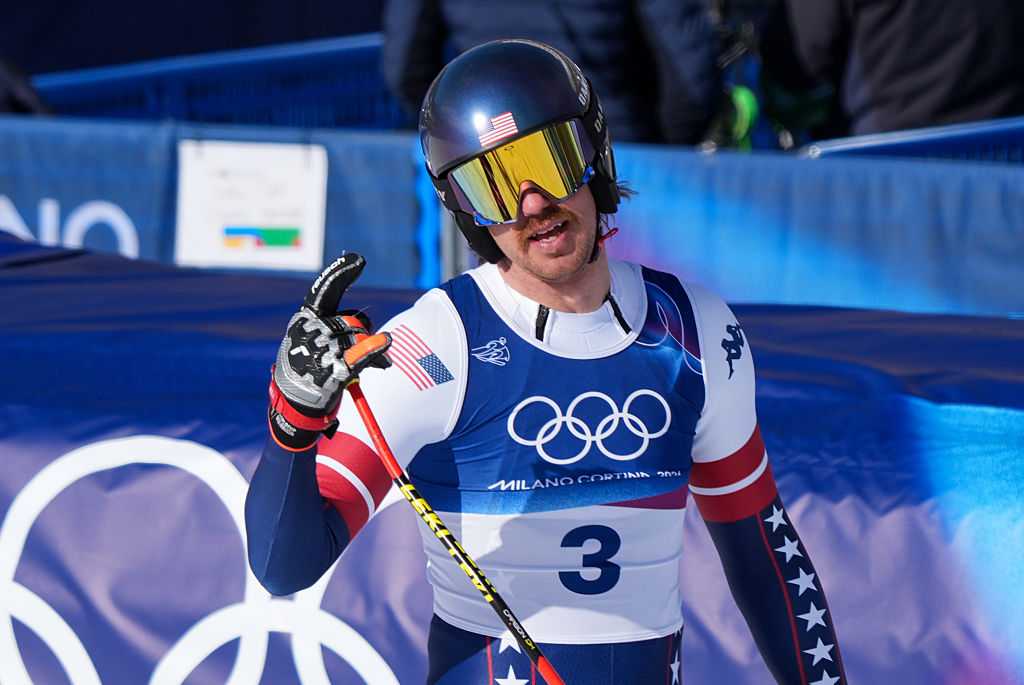
Northern California Olympian Bryce Bennett came in 13th place in the men’s downhill in Bormio on Saturday, as his wife and baby girl watched him compete in his final Olympics.The 33-year-old three-time Olympian hit a top speed of 85.5 miles per hour to finish at 1:53:45 for the second fastest performance among three Americans in the race. Teammate Kyle Negomir came in 10th place and Ryan Cochran-Siegle finished 18th. Switzerland’s Franjo von Allmen won the first gold medal of the Milan Cortina Olympics in the event with a time of 1:51:61. Italy’s Giovanni Franzoni won the silver medal and Dominik Paris the bronze. Bennett is a new father after having welcomed his first daughter Kate with his wife Kelley in the spring. Both were at the bottom of the hill waiting for him as part of a group of 20 supporters, according to NBC. Related video at the top: Sister station KCRA’s Deirdre Fitzpatrick spoke to Bennett for the first episode of her Dying to Ask: The Road to Milan Cortina podcast in December. Bennett told NBC’s Heather Cox that he was proud of his performance. “I think the Olympics are obviously something special to be a part of and I think a lot of times it gets overshadowed by obviously winning medals, and that’s what everyone here probably has the intention to do, myself included,” he said. “But there’s also a piece of the Olympics that’s super important and it’s about bringing your best performances. And today, yeah the time wasn’t there but I honestly skied the way I wanted to.”He then choked up when asked about experiencing his first Olympics as a father. “My wife sent me a text yesterday afternoon … made me cry,” he said. “It’s just a lot of emotion, obviously. You bring your life into it. And the sacrifice they make is just tough. Super happy.” The 6-foot-7-inch skier grew up in Tahoe City and skied at Palisades Tahoe as a child. In the 2022 Beijing Winter Olympics, he finished 17th in the Super-G and 19th in the downhill. In the 2018 PyeongChang Winter Olympics, he finished 16th in downhill and 17th in the super combined.Bennett’s next event at the Milan Cortina Olympics will be the Super-G on Wednesday, Feb. 11, starting at 2:30 a.m.
Northern California Olympian Bryce Bennett came in 13th place in the men’s downhill in Bormio on Saturday, as his wife and baby girl watched him compete in his final Olympics.
The 33-year-old three-time Olympian hit a top speed of 85.5 miles per hour to finish at 1:53:45 for the second fastest performance among three Americans in the race. Teammate Kyle Negomir came in 10th place and Ryan Cochran-Siegle finished 18th.
Advertisement
Switzerland’s Franjo von Allmen won the first gold medal of the Milan Cortina Olympics in the event with a time of 1:51:61. Italy’s Giovanni Franzoni won the silver medal and Dominik Paris the bronze.
Bennett is a new father after having welcomed his first daughter Kate with his wife Kelley in the spring. Both were at the bottom of the hill waiting for him as part of a group of 20 supporters, according to NBC.
Related video at the top: Sister station KCRA’s Deirdre Fitzpatrick spoke to Bennett for the first episode of her Dying to Ask: The Road to Milan Cortina podcast in December.
Bennett told NBC’s Heather Cox that he was proud of his performance.
“I think the Olympics are obviously something special to be a part of and I think a lot of times it gets overshadowed by obviously winning medals, and that’s what everyone here probably has the intention to do, myself included,” he said. “But there’s also a piece of the Olympics that’s super important and it’s about bringing your best performances. And today, yeah the time wasn’t there but I honestly skied the way I wanted to.”
He then choked up when asked about experiencing his first Olympics as a father.
“My wife sent me a text yesterday afternoon … made me cry,” he said. “It’s just a lot of emotion, obviously. You bring your life into it. And the sacrifice they make is just tough. Super happy.”
The 6-foot-7-inch skier grew up in Tahoe City and skied at Palisades Tahoe as a child.
In the 2022 Beijing Winter Olympics, he finished 17th in the Super-G and 19th in the downhill. In the 2018 PyeongChang Winter Olympics, he finished 16th in downhill and 17th in the super combined.
Bennett’s next event at the Milan Cortina Olympics will be the Super-G on Wednesday, Feb. 11, starting at 2:30 a.m.