

Read the full article on KETV 7

A political battle is brewing over the growing conflict in Iran. Lawmakers in Washington could vote as soon as this week on a war powers resolution aimed at limiting President Donald Trump’s military authority in Iran.If approved, the resolution would force the president to stop operations unless he has explicit Congressional approval to do so. Despite bipartisan efforts to check the president’s power, the resolution is unlikely to pass. Here’s why:The War Powers ActThe Constitution grants Congress the power to declare war, but the War Powers Resolution, or War Powers Act, was enacted in 1973 in the midst of the Vietnam War. The law aimed to share power between Congress and the president through “collective judgment” when deploying troops. Experts say the law specifically allows presidents to act under three circumstances: A formal declaration of war, a specific law passed by Congress, or a direct attack on the United States.”Every president since Gerald Ford has used this force and not claimed an emergency, but has done it anyway,” political analyst Todd Belt said. “Many members of Congress are saying, ‘Enough is enough, this power has gone too far.'”The law also requires the president to consult with lawmakers in “every possible instance,” requiring a written explanation to Congress within 48 hours once troops are deployed, which President Trump reportedly did so early Monday. If Congress does not provide explicit authorization within 60 to 90 days, the resolution requires the president to stop all military action.Even if Congress passes a new resolution to check Trump’s power in Iran, he could veto it. And, overriding that veto would require a two-thirds majority from Congress, making the vote more symbolic than anything.The historical contextHistorically, several U.S. presidents have justified their use of force under the War Powers Act. For example, former President George W. Bush did so after 9/11 against Iraq and eventually persuaded Congress to approve it. President Barack Obama also faced pressure to stop operations in Libya even after 90 days, but his administration argued that his actions didn’t rise to the level of “hostilities” as described in the law. President Trump also used the power during his first term in 2020. When both chambers of Congress passed a measure to stop further strikes against Iran, he ultimately vetoed it.Watch the latest coverage on the War Powers Act:
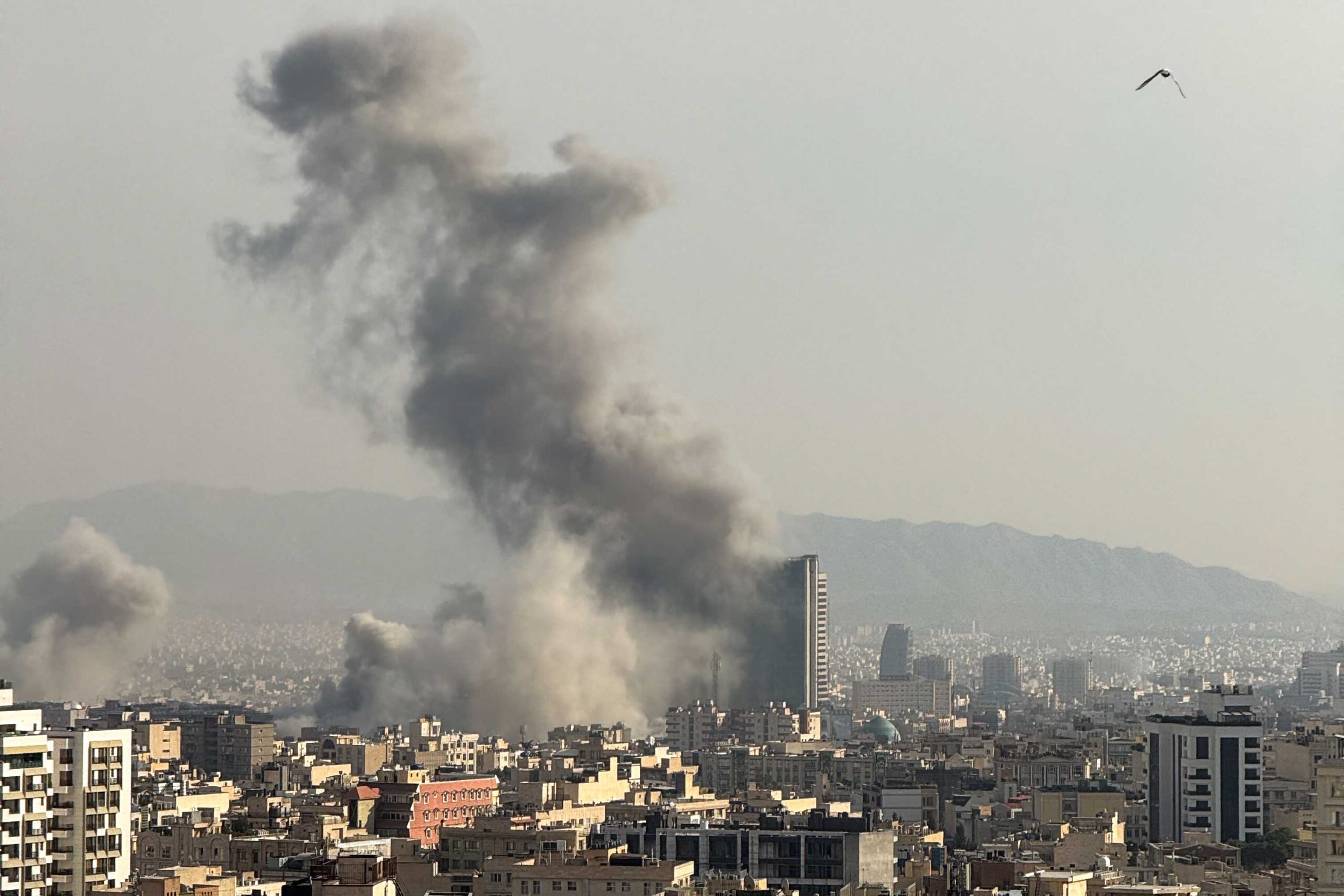
A political battle is brewing over the growing conflict in Iran. Lawmakers in Washington could vote as soon as this week on a war powers resolution aimed at limiting President Donald Trump’s military authority in Iran.
If approved, the resolution would force the president to stop operations unless he has explicit Congressional approval to do so.
Advertisement
Despite bipartisan efforts to check the president’s power, the resolution is unlikely to pass. Here’s why:
The War Powers Act
The Constitution grants Congress the power to declare war, but the War Powers Resolution, or War Powers Act, was enacted in 1973 in the midst of the Vietnam War. The law aimed to share power between Congress and the president through “collective judgment” when deploying troops.
Experts say the law specifically allows presidents to act under three circumstances: A formal declaration of war, a specific law passed by Congress, or a direct attack on the United States.
“Every president since Gerald Ford has used this force and not claimed an emergency, but has done it anyway,” political analyst Todd Belt said. “Many members of Congress are saying, ‘Enough is enough, this power has gone too far.'”
The law also requires the president to consult with lawmakers in “every possible instance,” requiring a written explanation to Congress within 48 hours once troops are deployed, which President Trump reportedly did so early Monday.
If Congress does not provide explicit authorization within 60 to 90 days, the resolution requires the president to stop all military action.
Even if Congress passes a new resolution to check Trump’s power in Iran, he could veto it. And, overriding that veto would require a two-thirds majority from Congress, making the vote more symbolic than anything.
The historical context
Historically, several U.S. presidents have justified their use of force under the War Powers Act.
For example, former President George W. Bush did so after 9/11 against Iraq and eventually persuaded Congress to approve it.
President Barack Obama also faced pressure to stop operations in Libya even after 90 days, but his administration argued that his actions didn’t rise to the level of “hostilities” as described in the law.
President Trump also used the power during his first term in 2020. When both chambers of Congress passed a measure to stop further strikes against Iran, he ultimately vetoed it.
Watch the latest coverage on the War Powers Act: