

Read the full article on KETV 7

As the East Coast braces for more winter weather, the Energy Department is addressing concerns about the electric grid’s reliability amid ongoing storms. Energy Secretary Chris Wright said the grid held up during the latest storm, attributing most outages to damaged power lines rather than a lack of electricity supply. However, a new report from the North American Electric Reliability Corporation warned that grid operators will need to act quickly to avoid future power shortages.When Hearst Television’s White House Correspondent Christopher Salas asked Wright whether the grid was prepared for another major storm and what upgrades were most urgent, he did not offer specific projects or timelines, saying only that “a lot of improvements need to be made on the grid.”Instead, Wright pointed to what he described as misguided energy policy, arguing that an aggressive shift toward wind and solar power had come at the expense of reliability.“When we thought the road to Shangri-La was to spend all our money on new transmission and build wind and solar, we lost our eye off the reliability ball,” Wright said.He emphasized that traditional energy sources such as natural gas, nuclear, and coal performed better during periods of extreme demand, and said the administration is now seeking to refocus on what he called “reliable” power generation.Environmental groups, however, argue that Wright’s focus on fossil fuels could exacerbate climate-driven extreme weather. Patrick Drupp, Sierra Club climate policy director, said, “This administration has done everything possible to slow down the deployment of the cheapest, the cleanest forms of energy generation. They are really, really focused as much as possible on keeping coal and gas online or building new gas and plants because that’s what’s best for billionaires.”The debate comes in the wake of a recent winter storm that swept across the country, killing more than 100 people and leaving hundreds of thousands without power. The NERC report says most new power generation in the coming years will come from solar and battery projects, as many coal and gas plants retire. Regulators warn that shift could make it more difficult to manage the grid, since much of that new capacity cannot operate at all hours.At the same time, electricity demand is expected to jump significantly over the next decade fueled by data centers, electric vehicles, and new manufacturing. Combined with more extreme heat and cold, the report says those trends could strain the power system.The report identifies parts of Texas, the Upper Midwest, the Mid-Atlantic, and the Pacific Northwest as the most at-risk areas due to fast-growing electricity demand, aging infrastructure, and delays in new power and transmission projects. Experts warn these regions could be particularly vulnerable during future heat waves and deep freezes.Meanwhile, the latest federal inflation data shows utility costs have increased by about 7.7% over the past year, raising concerns about the financial burden of necessary upgrades.Keep watching below for the latest from the Washington News Bureau:
As the East Coast braces for more winter weather, the Energy Department is addressing concerns about the electric grid’s reliability amid ongoing storms.
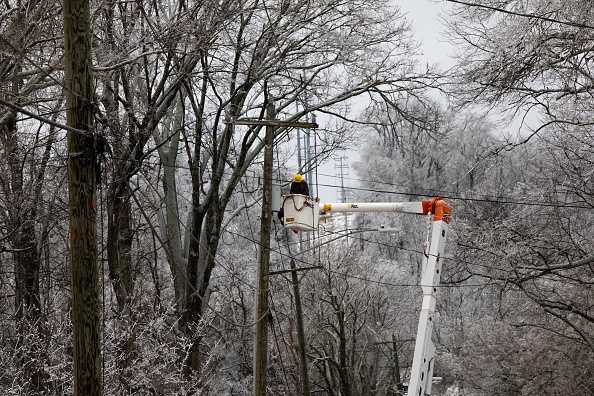
Energy Secretary Chris Wright said the grid held up during the latest storm, attributing most outages to damaged power lines rather than a lack of electricity supply.
Advertisement
However, a new report from the North American Electric Reliability Corporation warned that grid operators will need to act quickly to avoid future power shortages.
When Hearst Television’s White House Correspondent Christopher Salas asked Wright whether the grid was prepared for another major storm and what upgrades were most urgent, he did not offer specific projects or timelines, saying only that “a lot of improvements need to be made on the grid.”
Instead, Wright pointed to what he described as misguided energy policy, arguing that an aggressive shift toward wind and solar power had come at the expense of reliability.
“When we thought the road to Shangri-La was to spend all our money on new transmission and build wind and solar, we lost our eye off the reliability ball,” Wright said.
He emphasized that traditional energy sources such as natural gas, nuclear, and coal performed better during periods of extreme demand, and said the administration is now seeking to refocus on what he called “reliable” power generation.
Environmental groups, however, argue that Wright’s focus on fossil fuels could exacerbate climate-driven extreme weather.
Patrick Drupp, Sierra Club climate policy director, said, “This administration has done everything possible to slow down the deployment of the cheapest, the cleanest forms of energy generation. They are really, really focused as much as possible on keeping coal and gas online or building new gas and plants because that’s what’s best for billionaires.”
The debate comes in the wake of a recent winter storm that swept across the country, killing more than 100 people and leaving hundreds of thousands without power.
The NERC report says most new power generation in the coming years will come from solar and battery projects, as many coal and gas plants retire. Regulators warn that shift could make it more difficult to manage the grid, since much of that new capacity cannot operate at all hours.
At the same time, electricity demand is expected to jump significantly over the next decade fueled by data centers, electric vehicles, and new manufacturing. Combined with more extreme heat and cold, the report says those trends could strain the power system.
The report identifies parts of Texas, the Upper Midwest, the Mid-Atlantic, and the Pacific Northwest as the most at-risk areas due to fast-growing electricity demand, aging infrastructure, and delays in new power and transmission projects. Experts warn these regions could be particularly vulnerable during future heat waves and deep freezes.
Meanwhile, the latest federal inflation data shows utility costs have increased by about 7.7% over the past year, raising concerns about the financial burden of necessary upgrades.
Keep watching below for the latest from the Washington News Bureau: