
Read the full article on KETV 7
Did you know that all the curling stones used at the Milan Cortina Winter Olympics are made in Scotland?The granite is quarried on the tiny uninhabited island of Ailsa Craig and then made in the East Ayrshire town of Mauchline. Related video above: What to know about the Canadian curling team accusationsKays Curling’s workshop in Mauchline, Ayrshire, has been making curling stones for the Winter Olympics since the Chamonix Games in 1924. The Ailsa Craig granite, hewn from a quarry on the island, is some of the hardest and purest in the world, making it perfect for the wet, icy surface curling is played on. As the Scottish company’s stones are the only ones used in competition by the World Curling Federation, the demand is high. According to the BBC, workers produce one stone per hour (a total of 38 stones per week), and each one is thoroughly checked to ensure they meet Olympic requirements of 20kg, with a width of 278mm and a height of 136mm. “The history books tell us that curling stones have been made from Ailsa Craig material for probably at least 200 years now,” Jimmy Wyllie, director of Kays Curling, told BBC Radio’s Good Morning Scotland program. “There are two sources on the island, and in the good old days, you could have a pair made from either.” The main body of the Olympic curling stone is made using common green Ailsa Craig granite, while the rest of the stone is made from blue hone granite. Resistant to cracking and condensation, the material is perfect for smoothly gliding over the icy surface in a consistent manner. “No other destination in the world produces granite with the blend of heat and moisture resistance and hardy resilience than this small Scottish island,” the official Olympics website explains. “For the sport of curling, nothing can replace the unique properties of the granite hewn from a quarry on the island of Ailsa Craig off of Scotland’s Ayrshire Coast.”How amazing! Take a look at some of the incredible images of the curling stones being made for the Olympic Games.PHNjcmlwdCB0eXBlPSJ0ZXh0L2phdmFzY3JpcHQiPiFmdW5jdGlvbigpeyJ1c2Ugc3RyaWN0Ijt3aW5kb3cuYWRkRXZlbnRMaXN0ZW5lcigibWVzc2FnZSIsKGZ1bmN0aW9uKGUpe2lmKHZvaWQgMCE9PWUuZGF0YVsiZGF0YXdyYXBwZXItaGVpZ2h0Il0pe3ZhciB0PWRvY3VtZW50LnF1ZXJ5U2VsZWN0b3JBbGwoImlmcmFtZSIpO2Zvcih2YXIgYSBpbiBlLmRhdGFbImRhdGF3cmFwcGVyLWhlaWdodCJdKWZvcih2YXIgcj0wO3I8dC5sZW5ndGg7cisrKXtpZih0W3JdLmNvbnRlbnRXaW5kb3c9PT1lLnNvdXJjZSl0W3JdLnN0eWxlLmhlaWdodD1lLmRhdGFbImRhdGF3cmFwcGVyLWhlaWdodCJdW2FdKyJweCJ9fX0pKX0oKTs8L3NjcmlwdD4=
Did you know that all the curling stones used at the Milan Cortina Winter Olympics are made in Scotland?
The granite is quarried on the tiny uninhabited island of Ailsa Craig and then made in the East Ayrshire town of Mauchline.
Advertisement
Related video above: What to know about the Canadian curling team accusations
Kays Curling’s workshop in Mauchline, Ayrshire, has been making curling stones for the Winter Olympics since the Chamonix Games in 1924. The Ailsa Craig granite, hewn from a quarry on the island, is some of the hardest and purest in the world, making it perfect for the wet, icy surface curling is played on.
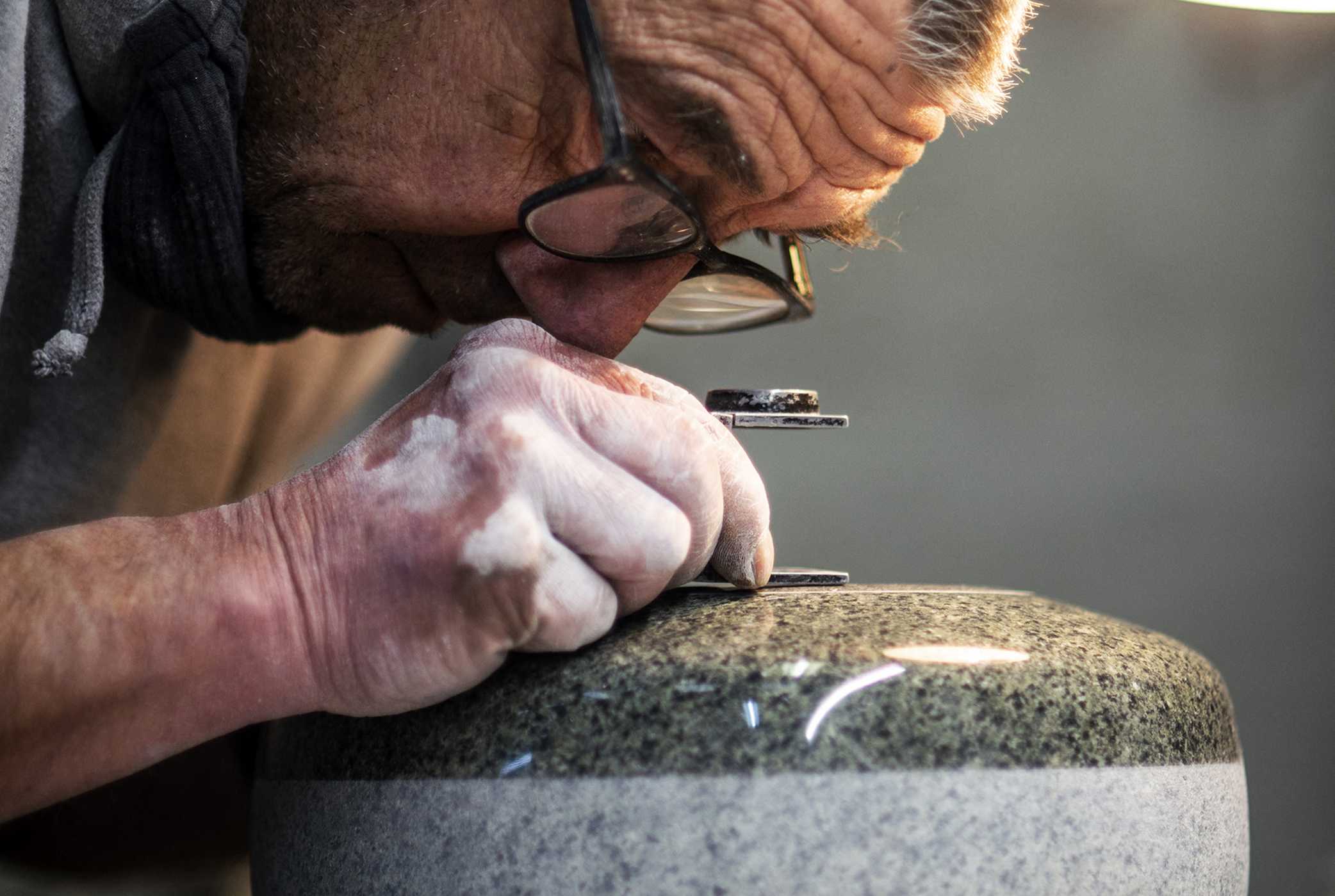
As the Scottish company’s stones are the only ones used in competition by the World Curling Federation, the demand is high. According to the BBC, workers produce one stone per hour (a total of 38 stones per week), and each one is thoroughly checked to ensure they meet Olympic requirements of 20kg, with a width of 278mm and a height of 136mm.
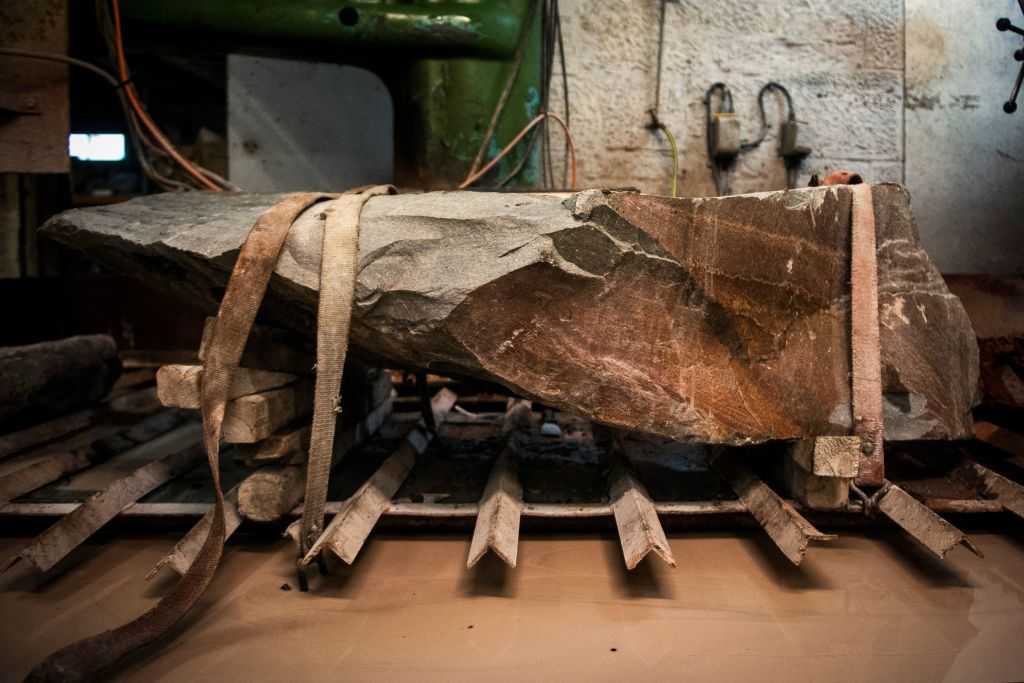
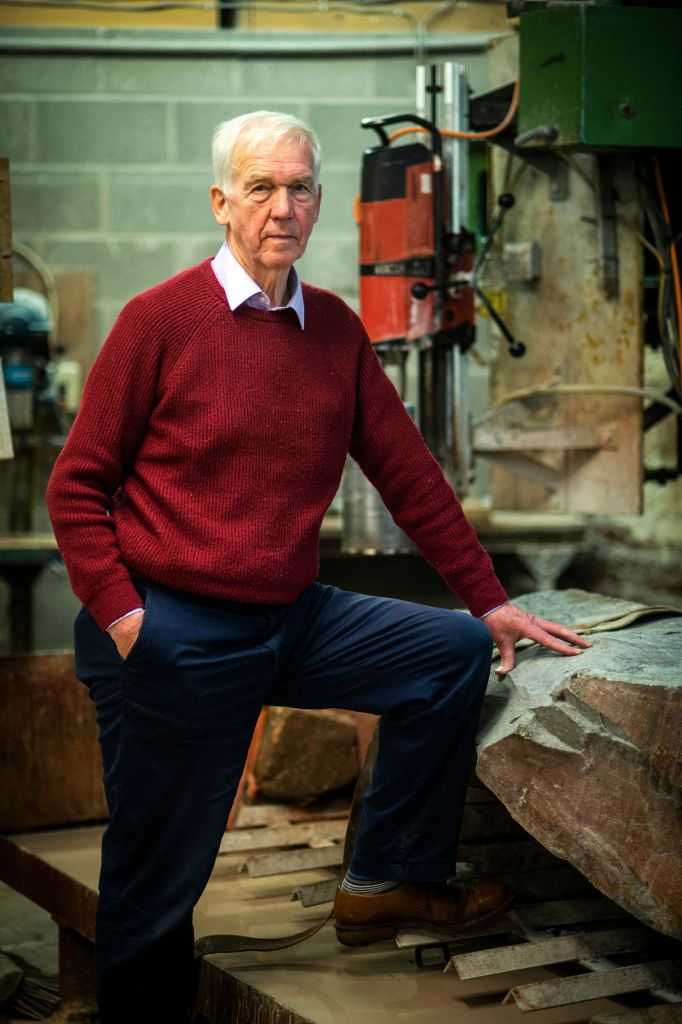
“The history books tell us that curling stones have been made from Ailsa Craig material for probably at least 200 years now,” Jimmy Wyllie, director of Kays Curling, told BBC Radio’s Good Morning Scotland program. “There are two sources on the island, and in the good old days, you could have a pair made from either.”
The main body of the Olympic curling stone is made using common green Ailsa Craig granite, while the rest of the stone is made from blue hone granite. Resistant to cracking and condensation, the material is perfect for smoothly gliding over the icy surface in a consistent manner.
“No other destination in the world produces granite with the blend of heat and moisture resistance and hardy resilience than this small Scottish island,” the official Olympics website explains. “For the sport of curling, nothing can replace the unique properties of the granite hewn from a quarry on the island of Ailsa Craig off of Scotland’s Ayrshire Coast.”
How amazing! Take a look at some of the incredible images of the curling stones being made for the Olympic Games.