
Read the full article on KETV 7

To make candies pop, sports drinks appear refreshing and chips look extra spicy. Many companies add synthetic dyes in our food. Some common examples include red number 40, yellow number 5, and blue number 2. I was just *** note. Nobody wants to eat petroleum. The FDA announced *** phasing out of petroleum-based synthetic food dyes from the nation’s food supply. There’s *** lot of controversy surrounding them and mainly because people are concerned about their potential toxicity. Maya Feller is *** nutritionist based in New York. She says artificial dyes are widespread, so we hit the grocery store to find out for ourselves. So this is our grocery store haul with some foods with artificial dyes in them and some of them you might have been able to guess, for example, sports drinks like this Blue Gatorade has Blue one in it. There are other things that you might not have guessed. This is smoked salmon along with fruit loops. Both of these have yellow 5, yellow 6, red 40, and blue 1. Kraft Heinz, Kellogg, PepsiCo and. General Mills are among some of the companies saying they’re phasing out artificial dyes. So are these dyes safe? One study showed red number 3 caused cancer in male lab rats when exposed to high levels of the dye. It was previously banned from cosmetics in 1990. However, the FDA said humans aren’t exposed to such high levels, and red number 3 is safe at the levels we currently consume them. And what the research says is that there’s the potential for, right? Not that you’re gonna have this food dye and you will have cancer. Some studies also suggest *** link between hyperactivity and children, though there is no conclusive evidence that artificial dyes cause ADHD. Feller says artificial dyes are typically in food that already contain *** high amount of added sugars, fats, and salts. Let’s give folks options. Options should be lower in added sugar, lower in the saturated and synthetic fats and lower in the added salts. Ditching artificial dyes doesn’t mean your food has to look lackluster. I mean. It smells like *** summer day. Taylor Ann Spencer works for *** Hearst Partners at Delish. She and her team have tested recipes using natural coloring options like freeze dried strawberries and cupcake frosting. They’re *** great way to make anything pretty in pink. For savory dishes like this vegan queso, turmeric can give *** bright yellow hue. *** little goes along. Low here. Finally, and hear us out on this one purple cabbage. You extract the color by soaking it in boiling water. Depending on the pH of the drink, you’ll get *** purple, blue, or pink color. And you can already see it’s instantly pinky. And for any skeptics out there, our producers Lauren and Allie took *** taste test. Wait, I really can’t tell. In May, the FDA approved three food colors from natural sources butterfly pea extract, which is derived from *** plant, Galdea extract blue, which is derived from algae, and calcium phosphate, which is *** mineral that can be used for white coloring. Reporting in Washington, I’m Amy Lou.
Advertisement
As part of the “Make America Healthy Again” movement’s efforts to replace artificial, petroleum-based food dyes with natural ones, the U.S. Food and Drug Administration says it has approved the use of beetroot red and expanded the use of spirulina extract.The number of natural colors approved during the current administration is now six, the agency said Thursday.Beetroot red is a reddish-purple liquid or powder. Spirulina extract — a blue-green powder or liquid from the algae plant Arthrospira platensis, which is found in oceans and salty lakes — is already approved for use in many food and beverage products. They include candy, chewing gum, frosting, some dairy products, cereals, condiments and both alcoholic and nonalcoholic beverages.The latest FDA action allows the ingredient to be used in other human foods more generally, except for infant formula and certain foods subject to inspection by the U.S. Department of Agriculture.The FDA also announced that products with natural dyes can now be labeled “no artificial colors” so customers can more easily differentiate between synthetically and naturally dyed foods. Before, companies generally could only make such claims if their products had no added dyes whatsoever.”This is real progress,” U.S. Department of Health and Human Services Secretary Robert F. Kennedy Jr said in a news release. “We are making it easier for companies to move away from petroleum-based synthetic colors and adopt safer, naturally derived alternatives. This momentum advances our broader effort to help Americans eat real food and Make America Healthy Again.”The most used synthetic dyes in the U.S. are red dyes Nos. 3 and 40, yellow dyes Nos. 5 and 6, and blue dyes Nos. 1 and 2. These dyes have been associated with increased health risks, including, in some cases, cancer and neurobehavioral issues in animals and children.”Artificial dyes dominated because they are cheaper, more heat- and shelf-stable, and easier to standardize in ultra-processed foods,” Dr. Wesley McWhorter, a registered dietitian and spokesperson for the Academy of Nutrition and Dietetics, said in an email. “But those manufacturing advantages do not imply they are healthier or necessary, which is why many whole food-oriented brands have moved back toward plant- and algae-based color sources.”California began paving the way for legislation against synthetic dyes several years ago. The state has since banned red dye No. 3 statewide and six other common dyes from school foods; the laws go into effect on Jan. 1, 2027, and Dec. 31, 2027, respectively. The FDA banned red dye No. 3 in January 2025.Twenty-six other states have followed in California’s footsteps with legislation — some signed into law, others still in progress — that would either ban, restrict or require labels for artificial colorants.Some states — such as Arkansas, Texas and West Virginia — have said they were inspired by Kennedy.In April, the FDA announced plans to work with the industry to phase out the use of synthetic dyes in the food supply. Many popular manufacturers, restaurants and stores have followed suit, including Kraft Heinz, General Mills, WK Kellogg Co., The Campbell’s Company, PepsiCo, Nestle, The Hershey Company, Utz, In-N-Out, Walmart and Sam’s Club.The FDA has said it wants synthetic dyes eliminated from the U.S food system by January 2027. In the meantime, customers can spot products containing these dyes by reading ingredient lists when they shop.On ingredient lists, these artificial dyes are sometimes referred to with different terms:Red dye No. 3: red 3, FD&C Red No. 3 or erythrosineRed dye No. 40: red 40, FD&C Red No. 40 or Allura Red ACBlue dye No. 1: blue 1, FD&C Blue No. 1 or Brilliant Blue FCFBlue dye No. 2: FD&C Blue No. 2 or indigotineYellow dye No. 5: yellow 5, FD&C Yellow No. 5 or tartrazineYellow dye No. 6: yellow 6, FD&C Yellow No. 6 or sunset yellowDyes listed with the word “lake” in an ingredient list mean the dye is a water-insoluble version, so it can dissolve in oily or low-moisture foods.What’s known about beetroot and spirulina extractThe petition that raised beetroot red for the FDA’s consideration was submitted in November 2023 by Phytolon, a natural colors manufacturer based in Israel.”Beet-based coloring has a long culinary history and has been regularly used in modern food systems for decades,” said McWhorter, who is also vice president of lifestyle medicine at Suvida Healthcare.Blue-to-brown colorants produced from juiced, powdered or dehydrated beets are already approved by the FDA.The expanded use of spirulina extract grants a petition filed in July 2024 by GNT, a plant-based colors manufacturer in Dallas.Although there has been some animal and human research on artificial food dyes, funding for more is insufficient, and there’s even less for the study of emerging alternatives, experts told CNN in May — so whether natural dyes could have any effect on human health isn’t clear.And although “natural” doesn’t automatically mean something is safe to eat, “it’s hard to believe” colors coming from plants and being used in small quantities would be harmful for the general population, said Dr. Marion Nestle, the Paulette Goddard Professor Emerita of Nutrition, Food Studies and Public Health at New York University, in an April interview.”The primary risk discussed in research relates to contamination in poorly controlled spirulina products rather than regulated food uses,” McWhorter said.Spirulina has been popular among health enthusiasts for centuries. When consumed as a whole food or supplement, spirulina is nutritious given the presence of protein, copper, iron antioxidants and B vitamins, Julia Zumpano, a registered dietitian at the Cleveland Clinic, said in an email.But spirulina and beetroot extracts used for dye don’t provide any significant nutrition, McWhorter said, given how little of them you would be consuming and the effect that processing may have on the nutrients.In 2025 the FDA approved or expanded the uses of four other natural dyes: Galdieria extract blue, butterfly pea flower extract, calcium phosphate and gardenia (genipin) blue.”Regardless of dye choice, health outcomes are driven far more by consuming a fiber-rich, balanced diet around whole foods, including lean proteins, vegetables, and healthy fats, than by the color of the food itself,” McWhorter said.
As part of the “Make America Healthy Again” movement’s efforts to replace artificial, petroleum-based food dyes with natural ones, the U.S. Food and Drug Administration says it has approved the use of beetroot red and expanded the use of spirulina extract.
The number of natural colors approved during the current administration is now six, the agency said Thursday.
Advertisement
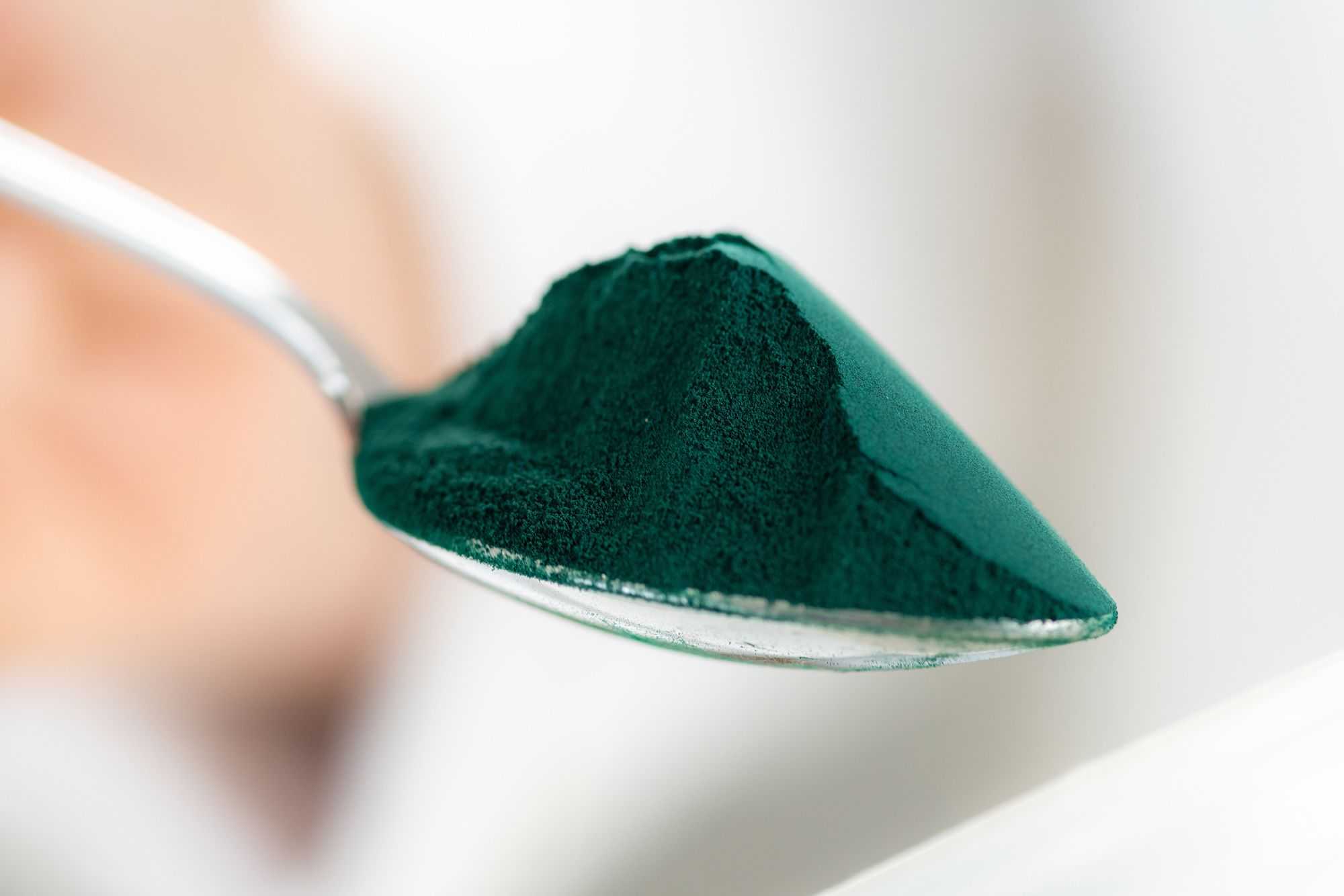
Beetroot red is a reddish-purple liquid or powder. Spirulina extract — a blue-green powder or liquid from the algae plant Arthrospira platensis, which is found in oceans and salty lakes — is already approved for use in many food and beverage products. They include candy, chewing gum, frosting, some dairy products, cereals, condiments and both alcoholic and nonalcoholic beverages.
The latest FDA action allows the ingredient to be used in other human foods more generally, except for infant formula and certain foods subject to inspection by the U.S. Department of Agriculture.
The FDA also announced that products with natural dyes can now be labeled “no artificial colors” so customers can more easily differentiate between synthetically and naturally dyed foods. Before, companies generally could only make such claims if their products had no added dyes whatsoever.
“This is real progress,” U.S. Department of Health and Human Services Secretary Robert F. Kennedy Jr said in a news release. “We are making it easier for companies to move away from petroleum-based synthetic colors and adopt safer, naturally derived alternatives. This momentum advances our broader effort to help Americans eat real food and Make America Healthy Again.”
The most used synthetic dyes in the U.S. are red dyes Nos. 3 and 40, yellow dyes Nos. 5 and 6, and blue dyes Nos. 1 and 2. These dyes have been associated with increased health risks, including, in some cases, cancer and neurobehavioral issues in animals and children.
“Artificial dyes dominated because they are cheaper, more heat- and shelf-stable, and easier to standardize in ultra-processed foods,” Dr. Wesley McWhorter, a registered dietitian and spokesperson for the Academy of Nutrition and Dietetics, said in an email. “But those manufacturing advantages do not imply they are healthier or necessary, which is why many whole food-oriented brands have moved back toward plant- and algae-based color sources.”
California began paving the way for legislation against synthetic dyes several years ago. The state has since banned red dye No. 3 statewide and six other common dyes from school foods; the laws go into effect on Jan. 1, 2027, and Dec. 31, 2027, respectively. The FDA banned red dye No. 3 in January 2025.
Twenty-six other states have followed in California’s footsteps with legislation — some signed into law, others still in progress — that would either ban, restrict or require labels for artificial colorants.
Some states — such as Arkansas, Texas and West Virginia — have said they were inspired by Kennedy.
In April, the FDA announced plans to work with the industry to phase out the use of synthetic dyes in the food supply. Many popular manufacturers, restaurants and stores have followed suit, including Kraft Heinz, General Mills, WK Kellogg Co., The Campbell’s Company, PepsiCo, Nestle, The Hershey Company, Utz, In-N-Out, Walmart and Sam’s Club.
The FDA has said it wants synthetic dyes eliminated from the U.S food system by January 2027. In the meantime, customers can spot products containing these dyes by reading ingredient lists when they shop.
On ingredient lists, these artificial dyes are sometimes referred to with different terms:
- Red dye No. 3: red 3, FD&C Red No. 3 or erythrosine
- Red dye No. 40: red 40, FD&C Red No. 40 or Allura Red AC
- Blue dye No. 1: blue 1, FD&C Blue No. 1 or Brilliant Blue FCF
- Blue dye No. 2: FD&C Blue No. 2 or indigotine
- Yellow dye No. 5: yellow 5, FD&C Yellow No. 5 or tartrazine
- Yellow dye No. 6: yellow 6, FD&C Yellow No. 6 or sunset yellow
Dyes listed with the word “lake” in an ingredient list mean the dye is a water-insoluble version, so it can dissolve in oily or low-moisture foods.
What’s known about beetroot and spirulina extract
The petition that raised beetroot red for the FDA’s consideration was submitted in November 2023 by Phytolon, a natural colors manufacturer based in Israel.
“Beet-based coloring has a long culinary history and has been regularly used in modern food systems for decades,” said McWhorter, who is also vice president of lifestyle medicine at Suvida Healthcare.
Blue-to-brown colorants produced from juiced, powdered or dehydrated beets are already approved by the FDA.
The expanded use of spirulina extract grants a petition filed in July 2024 by GNT, a plant-based colors manufacturer in Dallas.
Although there has been some animal and human research on artificial food dyes, funding for more is insufficient, and there’s even less for the study of emerging alternatives, experts told CNN in May — so whether natural dyes could have any effect on human health isn’t clear.
And although “natural” doesn’t automatically mean something is safe to eat, “it’s hard to believe” colors coming from plants and being used in small quantities would be harmful for the general population, said Dr. Marion Nestle, the Paulette Goddard Professor Emerita of Nutrition, Food Studies and Public Health at New York University, in an April interview.
“The primary risk discussed in research relates to contamination in poorly controlled spirulina products rather than regulated food uses,” McWhorter said.
Spirulina has been popular among health enthusiasts for centuries. When consumed as a whole food or supplement, spirulina is nutritious given the presence of protein, copper, iron antioxidants and B vitamins, Julia Zumpano, a registered dietitian at the Cleveland Clinic, said in an email.
But spirulina and beetroot extracts used for dye don’t provide any significant nutrition, McWhorter said, given how little of them you would be consuming and the effect that processing may have on the nutrients.
In 2025 the FDA approved or expanded the uses of four other natural dyes: Galdieria extract blue, butterfly pea flower extract, calcium phosphate and gardenia (genipin) blue.
“Regardless of dye choice, health outcomes are driven far more by consuming a fiber-rich, balanced diet around whole foods, including lean proteins, vegetables, and healthy fats, than by the color of the food itself,” McWhorter said.