

Read the full article on KETV 7
*** former FDA commissioner formally asked the agency to stop allowing refined carbohydrate ingredients used in industrial food processing to be considered generally recognized as safe, claiming they likely harm people’s metabolism and contribute to people eating faster. Let’s start with that label, which people call GRASS for short. Under federal law, the FDA must review and approve anything. Intentionally added to food before they can be used in things you can buy. That’s according to our partners at PolitiFact. *** law in 1958 created an exception for substances that were already widely used and considered to be safe by *** consensus of experts. PolitiFact says if an ingredient appears on the FDA’s generally recognized as safe list, food companies can add it to their products without government approval. As companies want to use the FDA to recognize new grass ingredients, qualified experts must review research and data and determine whether evidence supporting it can be generally recognized as safe. But according to PolitiFact, those experts do not have to meet any particular FDA qualifications, and the agency allows companies to use their own research or experts. The ingredients in question now include. refined sweeteners like corn syrup and high-fructose corn syrup, certain refined flours and sugars used in certain types of processing, and more than *** dozen others. If the FDA decides they are no longer safe, the agency would then regulate them the way it regulates other food additives, and companies would have to follow any rules the FDA would establish about how and in what amounts the ingredients could safely be used.
Advertisement
‘Generally Recognized as Safe’ ingredients: what does that mean?
The ingredients in some of the foods you buy could soon change if the FDA removes a widely-used label from more than a dozen ingredients.

This article originally appeared on PolitiFact.com.Browse the aisles at your local grocery store and you’ll find food labels on products from ice cream to bread with the same ingredient: high fructose corn syrup. This processed and often used sweetener could soon face new regulatory hurdles, along with many other ingredients used in industrial food processing. For decades, the Food and Drug Administration has deemed ingredients including salt, pepper, vinegar, corn syrup, and high fructose corn syrup as “generally recognized as safe” or GRAS for short. Broadly speaking, the designation exempts them from stricter government oversight. But Health and Human Services Secretary Robert F. Kennedy Jr. recently said on CBS News’ “60 Minutes” that the FDA would “act on” a request from a former FDA commissioner to strip such ingredients of this safety status when they are used in industrial food processing.If corn syrup is a key ingredient in your family’s favorite pecan pie recipe, don’t panic: This request isn’t targeting your use of these ingredients at home.Here’s more about the request and what could happen if the FDA grants it.A former FDA commissioner asked the agency to review certain ingredients In August, Dr. David A. Kessler formally asked the FDA to stop categorizing more than a dozen ingredients as “generally recognized as safe.” Kessler was FDA commissioner under Presidents George H.W. Bush and Bill Clinton, and he held an advisory role in the Biden administration.His petition said that refined carbohydrate ingredients used in industrial food processing, which are often seen as markers of ultraprocessed foods, likely harm people’s metabolism and contribute to people eating faster. He requested the FDA strip the “generally recognized as safe” status from a number of these ingredients, including: Refined sweeteners, such as corn syrup, corn syrup solids, high fructose corn syrup, glucose syrups, dextrose, invert sugar, xylose, maltose and maltodextrin.Starches processed by extraction technology, which removes starches from high-yield crops such as wheat and corn.Refined flours and starches such as wheat, corn, tapioca, oat and potato flour that are processed with extrusion technology, which exposes ingredients to high temperatures, pressure and force.Sugar, refined flour or starches that are used with emulsifiers, a fancy word for substances that help blend ingredients that would normally separate, like oil and water.Dough conditioners and strengtheners, which help ensure the consistency and quality of processed baked goods. These include azodicarbonamide, L-cysteine and calcium peroxide, ingredients found in cereal flours and frozen bakery productsHumectants, which help other substances retain moisture, such as propylene glycol, which can be found in foods like coconut flakes.Stabilizers and gums, which help some foods maintain their texture and avoid separating. These include cellulose gum and methylcellulose, often found in food and drinks marketed as low fat.Modified starches and fillers, including dextrin and modified food starch, found in canned soups and instant puddings.Kessler asked the FDA to reclassify these ingredients as standard food additives, which are regulated differently.What does it mean for ingredients to be “generally recognized as safe”? Under federal law, the FDA must review and approve food additives — anything intentionally added to food — before those additives can be used in products sold to consumers. A 1958 law created an exception for substances that were already widely used in foods and considered safe based on expert consensus and a history of safe use — substances “generally recognized as safe.” (This exemption didn’t apply to color additives.)The exemption meant that common ingredients such as salt and pepper that had been used safely for decades before 1958 would not need to undergo premarket safety testing and FDA review. This designation doesn’t mean that the ingredient doesn’t have health effects. “It means the weight of evidence and/or a prolonged track record of safety suggests there is a reasonable certainty of no harm, at the levels typically consumed,” said Elisabeth Anderson, science communication director at Michigan State University’s Center for Research on Ingredient Safety. It is also use-specific, meaning that ingredients might have the safety status in some cases or in certain amounts, but not in others, she said. If an ingredient appears on the FDA’s “generally recognized as safe” list, food companies can add it to their products without government approval. How does an ingredient become “generally recognized as safe”?In December 1958, the FDA published its first GRAS list. But what about newer ingredients? By law, qualified experts must review available research and data on a proposed ingredient and determine whether evidence supports that it can be generally recognized as safe. Once experts have given an ingredient the designation, companies can currently use that ingredient without notifying the FDA. These experts do not have to be part of the FDA or meet particular FDA qualification standards. For nearly 30 years, the agency has allowed companies to use their own research to decide whether an ingredient meets the law’s safety threshold. A company or a consultant the company paid to research the ingredient could make this determination, said Thomas Gremillion, food policy director at the Consumer Federation of America.A company can voluntarily notify the FDA that it has determined an ingredient is “generally recognized as safe” with a notice describing the conditions it would be used in and the research on its safety. But that process could delay efforts to bring a product to market, so there is little incentive for businesses to do that.The Food and Drug Administration campus in Silver Spring, Md. on Oct. 14, 2015.Can the FDA say an ingredient is no longer “generally recognized as safe”?Yes, and it has happened before, when new research emerged that supported links between ingredients and negative health outcomes. In 2015, for example, the FDA revoked the safety status of partially hydrogenated oils, which were the main sources of artificial trans fat in processed foods. Food companies could have petitioned the FDA to allow certain uses of partially hydrogenated oils, but they were unlikely to prevail. Ultimately, food companies phased the ingredient out. What happens if the FDA decides the ingredients from Kessler’s petition are no longer safe? If the FDA removes these ingredients from the “generally recognized as safe” list, the agency could regulate them the way it regulates other food additives. This is what Kessler requested. And it would mean food companies would then have to ask the FDA to announce public rules that establish how and in what amounts the ingredients can be safely used. From there, the agency could either set limits on the ingredients’ safe and proper uses, or ban certain ingredients and uses in food, said Jennifer Pomeranz, a public health policy and management professor at New York University.On “60 Minutes” Feb. 15, Kennedy said he wasn’t committing to adding regulatory hurdles for ultraprocessed food manufacturers but wanted the public to be informed. The news show reported that Kennedy said the agency would use gold-standard science to review “generally recognized as safe” ingredients. Kennedy, however, historically misstates or exaggerates scientific studies’ findings, even while stressing the need for gold-standard science. HHS did not respond to our request for more information.Granting Kessler’s request would affect a broad range of foods, including staples like bread.But any action the FDA take could take time. The agency is historically under-resourced, Pomeranz said, and is slow to review evidence on ingredients’ safety. It also typically gives companies time to adjust and reformulate their products to adhere to new regulations.When it took partially hydrogenated oils off the list, for example, the FDA gave companies three years to comply. If the FDA revoked the safety status of high fructose corn syrup, “companies would just reformulate and use a different type of sweetener in their products,” Pomeranz said. PolitiFact Researcher Caryn Baird contributed to this report.This article originally appeared on PolitiFact.com. It is republished here as part of a reporting and fact-checking partnership between PolitiFact and Hearst Television.
This article originally appeared on PolitiFact.com.
Advertisement
Browse the aisles at your local grocery store and you’ll find food labels on products from ice cream to bread with the same ingredient: high fructose corn syrup. This processed and often used sweetener could soon face new regulatory hurdles, along with many other ingredients used in industrial food processing.
For decades, the Food and Drug Administration has deemed ingredients including salt, pepper, vinegar, corn syrup, and high fructose corn syrup as “generally recognized as safe” or GRAS for short.
Broadly speaking, the designation exempts them from stricter government oversight.
But Health and Human Services Secretary Robert F. Kennedy Jr. recently said on CBS News’ “60 Minutes” that the FDA would “act on” a request from a former FDA commissioner to strip such ingredients of this safety status when they are used in industrial food processing.
If corn syrup is a key ingredient in your family’s favorite pecan pie recipe, don’t panic: This request isn’t targeting your use of these ingredients at home.
Here’s more about the request and what could happen if the FDA grants it.
A former FDA commissioner asked the agency to review certain ingredients
In August, Dr. David A. Kessler formally asked the FDA to stop categorizing more than a dozen ingredients as “generally recognized as safe.” Kessler was FDA commissioner under Presidents George H.W. Bush and Bill Clinton, and he held an advisory role in the Biden administration.
His petition said that refined carbohydrate ingredients used in industrial food processing, which are often seen as markers of ultraprocessed foods, likely harm people’s metabolism and contribute to people eating faster.
He requested the FDA strip the “generally recognized as safe” status from a number of these ingredients, including:
- Refined sweeteners, such as corn syrup, corn syrup solids, high fructose corn syrup, glucose syrups, dextrose, invert sugar, xylose, maltose and maltodextrin.
- Starches processed by extraction technology, which removes starches from high-yield crops such as wheat and corn.
- Refined flours and starches such as wheat, corn, tapioca, oat and potato flour that are processed with extrusion technology, which exposes ingredients to high temperatures, pressure and force.
- Sugar, refined flour or starches that are used with emulsifiers, a fancy word for substances that help blend ingredients that would normally separate, like oil and water.
- Dough conditioners and strengtheners, which help ensure the consistency and quality of processed baked goods. These include azodicarbonamide, L-cysteine and calcium peroxide, ingredients found in cereal flours and frozen bakery products
- Humectants, which help other substances retain moisture, such as propylene glycol, which can be found in foods like coconut flakes.
- Stabilizers and gums, which help some foods maintain their texture and avoid separating. These include cellulose gum and methylcellulose, often found in food and drinks marketed as low fat.
- Modified starches and fillers, including dextrin and modified food starch, found in canned soups and instant puddings.
Kessler asked the FDA to reclassify these ingredients as standard food additives, which are regulated differently.
What does it mean for ingredients to be “generally recognized as safe”?
Under federal law, the FDA must review and approve food additives — anything intentionally added to food — before those additives can be used in products sold to consumers.
A 1958 law created an exception for substances that were already widely used in foods and considered safe based on expert consensus and a history of safe use — substances “generally recognized as safe.” (This exemption didn’t apply to color additives.)
The exemption meant that common ingredients such as salt and pepper that had been used safely for decades before 1958 would not need to undergo premarket safety testing and FDA review.
This designation doesn’t mean that the ingredient doesn’t have health effects.
“It means the weight of evidence and/or a prolonged track record of safety suggests there is a reasonable certainty of no harm, at the levels typically consumed,” said Elisabeth Anderson, science communication director at Michigan State University’s Center for Research on Ingredient Safety.
It is also use-specific, meaning that ingredients might have the safety status in some cases or in certain amounts, but not in others, she said.
If an ingredient appears on the FDA’s “generally recognized as safe” list, food companies can add it to their products without government approval.
How does an ingredient become “generally recognized as safe”?
In December 1958, the FDA published its first GRAS list.
But what about newer ingredients?
By law, qualified experts must review available research and data on a proposed ingredient and determine whether evidence supports that it can be generally recognized as safe. Once experts have given an ingredient the designation, companies can currently use that ingredient without notifying the FDA.
These experts do not have to be part of the FDA or meet particular FDA qualification standards. For nearly 30 years, the agency has allowed companies to use their own research to decide whether an ingredient meets the law’s safety threshold. A company or a consultant the company paid to research the ingredient could make this determination, said Thomas Gremillion, food policy director at the Consumer Federation of America.
A company can voluntarily notify the FDA that it has determined an ingredient is “generally recognized as safe” with a notice describing the conditions it would be used in and the research on its safety. But that process could delay efforts to bring a product to market, so there is little incentive for businesses to do that.
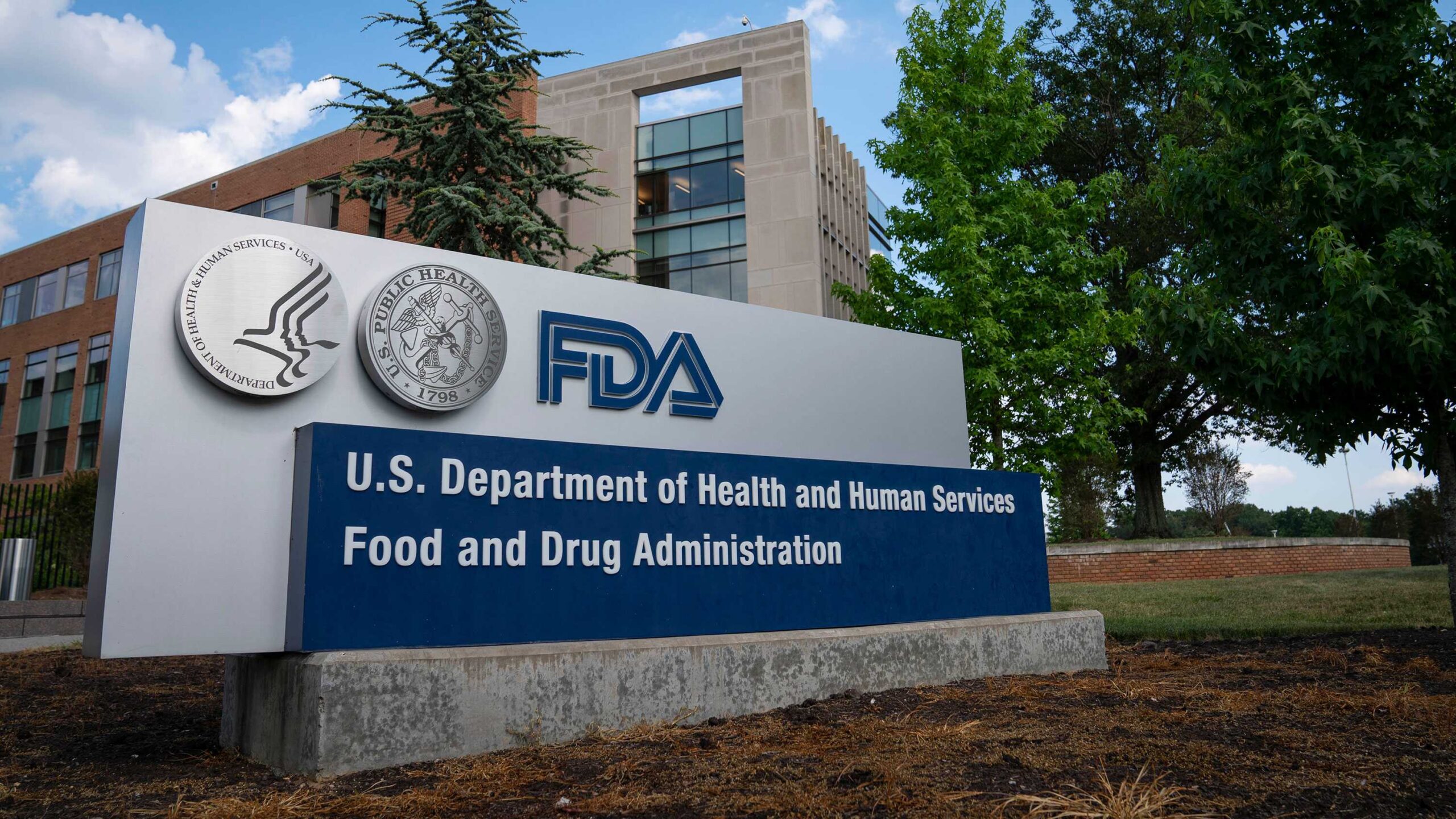
The Food and Drug Administration campus in Silver Spring, Md. on Oct. 14, 2015.
Can the FDA say an ingredient is no longer “generally recognized as safe”?
Yes, and it has happened before, when new research emerged that supported links between ingredients and negative health outcomes.
In 2015, for example, the FDA revoked the safety status of partially hydrogenated oils, which were the main sources of artificial trans fat in processed foods. Food companies could have petitioned the FDA to allow certain uses of partially hydrogenated oils, but they were unlikely to prevail.
Ultimately, food companies phased the ingredient out.
What happens if the FDA decides the ingredients from Kessler’s petition are no longer safe?
If the FDA removes these ingredients from the “generally recognized as safe” list, the agency could regulate them the way it regulates other food additives. This is what Kessler requested. And it would mean food companies would then have to ask the FDA to announce public rules that establish how and in what amounts the ingredients can be safely used.
From there, the agency could either set limits on the ingredients’ safe and proper uses, or ban certain ingredients and uses in food, said Jennifer Pomeranz, a public health policy and management professor at New York University.
On “60 Minutes” Feb. 15, Kennedy said he wasn’t committing to adding regulatory hurdles for ultraprocessed food manufacturers but wanted the public to be informed. The news show reported that Kennedy said the agency would use gold-standard science to review “generally recognized as safe” ingredients. Kennedy, however, historically misstates or exaggerates scientific studies’ findings, even while stressing the need for gold-standard science. HHS did not respond to our request for more information.
Granting Kessler’s request would affect a broad range of foods, including staples like bread.
But any action the FDA take could take time. The agency is historically under-resourced, Pomeranz said, and is slow to review evidence on ingredients’ safety. It also typically gives companies time to adjust and reformulate their products to adhere to new regulations.
When it took partially hydrogenated oils off the list, for example, the FDA gave companies three years to comply.
If the FDA revoked the safety status of high fructose corn syrup, “companies would just reformulate and use a different type of sweetener in their products,” Pomeranz said.
PolitiFact Researcher Caryn Baird contributed to this report.
This article originally appeared on PolitiFact.com. It is republished here as part of a reporting and fact-checking partnership between PolitiFact and Hearst Television.