
Read the full article on KETV 7

The CEO of Saunders Medical Center said recently that a patient came through the doors with multiple broken ribs and no way of affording treatment.”Her family had struggled to find her financial records, and she was not able to locate her Social Security card either,” Julie Rezac said.Rezac said the woman only paid off her stay because of retroactive Medicaid.”From the day you apply for Medicaid, you can look back so many days and still have coverage,” said Jeremy Nordquist, the president of the Nebraska Hospital Association.In Nebraska, you can apply for Medicaid and receive coverage for any treatments you’ve had in the last 90 days. This week, Nebraska legislators will consider ending that program, shuffling those fees around. CEO of Great Plains Health Ivan Mitchell said first, they go back to the patient.”The health care system in the United States where when you provide care to everyone, regardless of ability to pay, some people don’t pay the cost of care,” Mitchell said.But if they can’t pay, Nordquist says, then the bills become the hospital’s responsibility.”It would fall to the hospital to just have to absorb those costs and ultimately to stay alive, hospitals have to shift those costs onto other folks,” Nordquist said.Mitchell said to offset those costs, hospitals could increase procedure costs, eliminate services or cut salaries.”It truly is a hidden tax on the population,” Mitchell said.This proposal is part of the legislature’s efforts to address the budget deficit. The federal government pays a portion of patient fees under Medicaid, but without retroactive coverage, that money goes away.”It’ll save, I think it’s around $18 million for the state budget, but you’ll also lose $22 million in federal funding,” Mitchell said.”The hospitals and patients end up losing more because we are also losing the federal dollars that would have come in to pay for that care,” Nordquist said.This proposal, coming after President Trump’s “One Big, Beautiful Bill,” which passed last year, already enacted changes to coverage times.”We didn’t necessarily love that the federal bill narrowed those dates, but we’re able to work through,” Nordquist said.H.R. 1 shortened the application window from 90 days to 60 days for Medicaid qualifiers like children, elderly and the disabled. The Medicaid expansion, mainly working-age adults, only have 30 days to file for coverage.
The CEO of Saunders Medical Center said recently that a patient came through the doors with multiple broken ribs and no way of affording treatment.
“Her family had struggled to find her financial records, and she was not able to locate her Social Security card either,” Julie Rezac said.
Advertisement
Rezac said the woman only paid off her stay because of retroactive Medicaid.
“From the day you apply for Medicaid, you can look back so many days and still have coverage,” said Jeremy Nordquist, the president of the Nebraska Hospital Association.
In Nebraska, you can apply for Medicaid and receive coverage for any treatments you’ve had in the last 90 days. This week, Nebraska legislators will consider ending that program, shuffling those fees around. CEO of Great Plains Health Ivan Mitchell said first, they go back to the patient.
“The health care system in the United States where when you provide care to everyone, regardless of ability to pay, some people don’t pay the cost of care,” Mitchell said.
But if they can’t pay, Nordquist says, then the bills become the hospital’s responsibility.
“It would fall to the hospital to just have to absorb those costs and ultimately to stay alive, hospitals have to shift those costs onto other folks,” Nordquist said.
Mitchell said to offset those costs, hospitals could increase procedure costs, eliminate services or cut salaries.
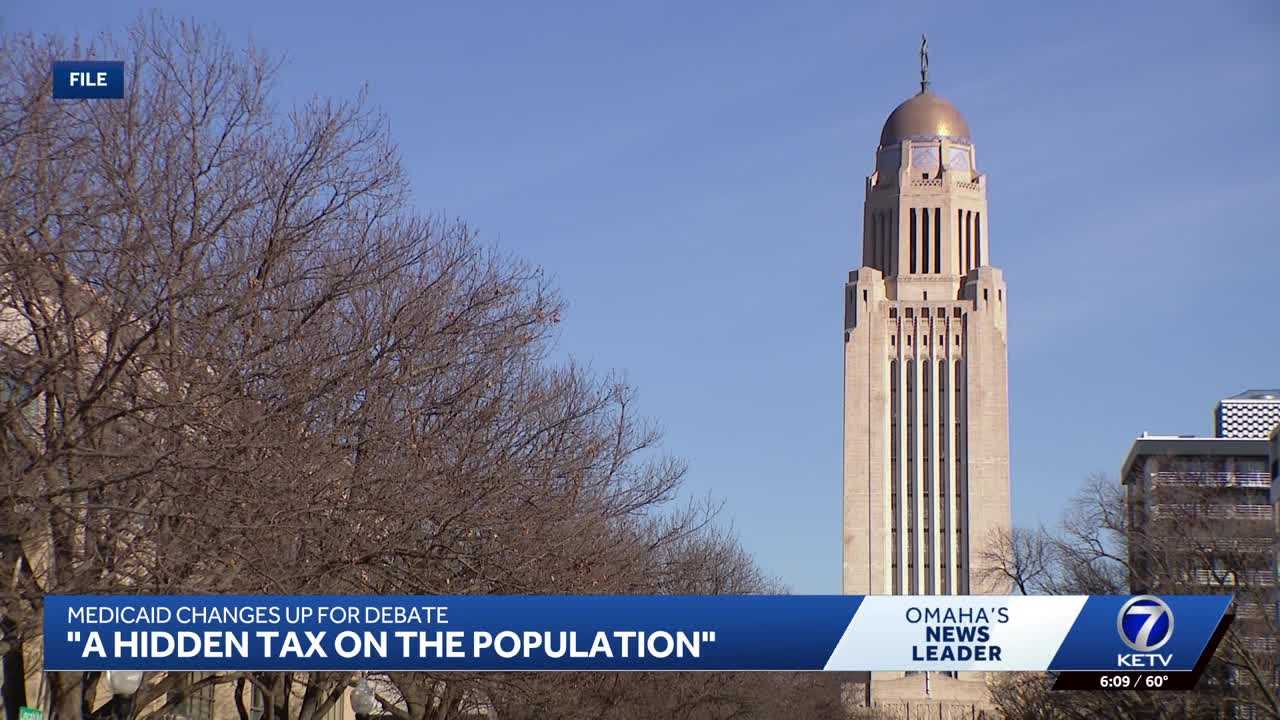
“It truly is a hidden tax on the population,” Mitchell said.
This proposal is part of the legislature’s efforts to address the budget deficit. The federal government pays a portion of patient fees under Medicaid, but without retroactive coverage, that money goes away.
“It’ll save, I think it’s around $18 million for the state budget, but you’ll also lose $22 million in federal funding,” Mitchell said.
“The hospitals and patients end up losing more because we are also losing the federal dollars that would have come in to pay for that care,” Nordquist said.
This proposal, coming after President Trump’s “One Big, Beautiful Bill,” which passed last year, already enacted changes to coverage times.
“We didn’t necessarily love that the federal bill narrowed those dates, but we’re able to work through,” Nordquist said.
H.R. 1 shortened the application window from 90 days to 60 days for Medicaid qualifiers like children, elderly and the disabled. The Medicaid expansion, mainly working-age adults, only have 30 days to file for coverage.