

Read the full article on KETV 7

President Donald Trump said he may tap the U.S. Strategic Petroleum Reserve in an effort to bring down rising gas prices as conflict with Iran threatens global oil shipments.“Well, we’ll do that, and then we’ll fill it up,” Trump told a local TV station in Cincinnati. “Right now, we’ll reduce it a little bit, and that brings the prices down.”The president did not specify how many barrels of oil the United States might release.The comments come as tensions in the region escalate. Iran has attacked commercial ships across the Persian Gulf, part of a broader campaign that has rattled energy markets and raised concerns about global oil supplies.W2lmcmFtZSBzcmM9Imh0dHBzOi8vaGVhcnN0dGVsZXZpc2lvbmRhdGFqb3VybmFsaXNtLmh0dmFwcHMuY29tL2p1eHRhcG9zZS1pbWFnZS9zdHJhaXQtb2YtaG9ybXV6L3Rlc3QzL2p1eHRhcG9zZS5odG1sIiBmcmFtZWJvcmRlcj0iMCIgaGVpZ2h0PSI1MDBweCIgd2lkdGg9IjEwMCUiIHNjcm9sbGluZyA9ICJubyJdWy9pZnJhbWVdAmericans are now paying about 64 cents more per gallon for gas than they did last month, according to AAA. That’s largely due to disruptions in the Strait of Hormuz, a critical oil shipping route off Iran’s coast.Trump has said tankers should continue using the strait despite the war, and confirmed that U.S. forces have destroyed “just about all” of Iran’s naval mines and mine-laying ships.The U.S. military says it destroyed 16 Iranian mine-laying vessels Tuesday near the strait to keep the vital oil shipping lane open.Normally, about 20 million barrels of oil a day pass through the waterway, but real-time shipping data shows traffic fell by roughly 70% within hours of the first strikes.More than 150 oil and gas tankers are now anchored in the region, waiting to determine whether the route is safe.The administration’s energy department forecasts now suggest gas prices could remain above three dollars a gallon for much of the year, meaning Americans may not see much relief anytime soon. Meanwhile, the International Energy Agency says member countries are preparing a record emergency release of 400 million barrels of oil to help stabilize the market. Analysts say that may buy time, but the bigger question is whether shipping through the Strait of Hormuz can safely resume.The current situation represents a significant oil shock, though history shows similar spikes often accompany major geopolitical conflicts.PGlmcmFtZSB0aXRsZT0iVS5TLiBjcnVkZSBvaWwgcHJpY2VzIGFyZSBpbmNyZWFzaW5nIGFtaWQgYXR0YWNrcyBvbiBJcmFuIiBhcmlhLWxhYmVsPSJMaW5lIGNoYXJ0IiBpZD0iZGF0YXdyYXBwZXItY2hhcnQtdWI0RVMiIHNyYz0iaHR0cHM6Ly9kYXRhd3JhcHBlci5kd2Nkbi5uZXQvdWI0RVMvMi8iIHNjcm9sbGluZz0ibm8iIGZyYW1lYm9yZGVyPSIwIiBzdHlsZT0id2lkdGg6IDA7IG1pbi13aWR0aDogMTAwJSAhaW1wb3J0YW50OyBib3JkZXI6IG5vbmU7IiBoZWlnaHQ9IjQ2MyIgZGF0YS1leHRlcm5hbD0iMSI+PC9pZnJhbWU+PHNjcmlwdCB0eXBlPSJ0ZXh0L2phdmFzY3JpcHQiPndpbmRvdy5hZGRFdmVudExpc3RlbmVyKCJtZXNzYWdlIixmdW5jdGlvbihhKXtpZih2b2lkIDAhPT1hLmRhdGFbImRhdGF3cmFwcGVyLWhlaWdodCJdKXt2YXIgZT1kb2N1bWVudC5xdWVyeVNlbGVjdG9yQWxsKCJpZnJhbWUiKTtmb3IodmFyIHQgaW4gYS5kYXRhWyJkYXRhd3JhcHBlci1oZWlnaHQiXSlmb3IodmFyIHIsaT0wO3I9ZVtpXTtpKyspaWYoci5jb250ZW50V2luZG93PT09YS5zb3VyY2Upe3ZhciBkPWEuZGF0YVsiZGF0YXdyYXBwZXItaGVpZ2h0Il1bdF0rInB4IjtyLnN0eWxlLmhlaWdodD1kfX19KTs8L3NjcmlwdD4=U.S. crude briefly topped $115 a barrel after the strikes on Iran before falling back into the $80 range.Data analysis shows four of the biggest oil spikes since the 1980s were tied to conflicts, including the Arab Spring, tensions with Iran, and Russia’s invasion of Ukraine.Historically, those shocks can last several months to about a year before markets stabilize.
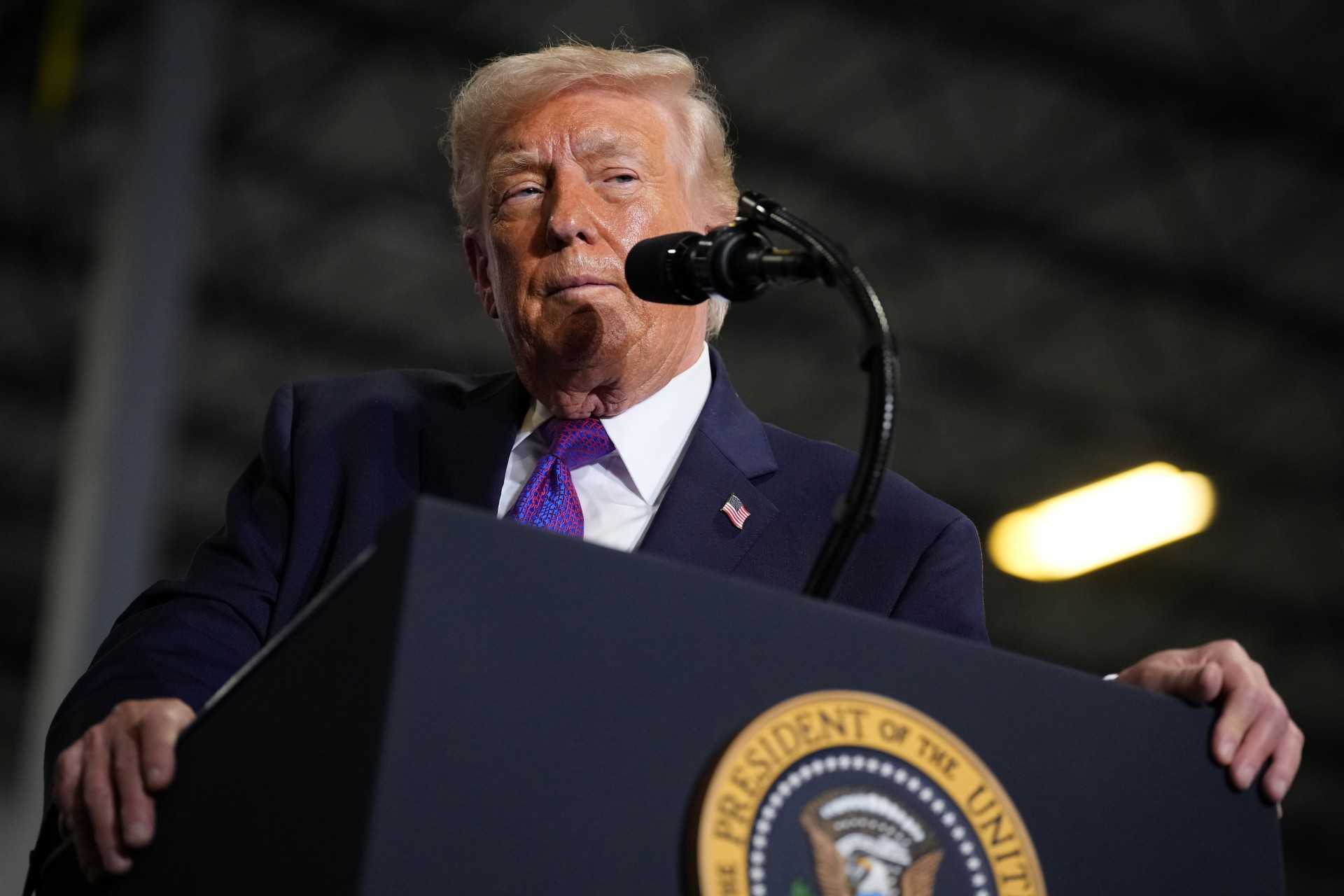
President Donald Trump said he may tap the U.S. Strategic Petroleum Reserve in an effort to bring down rising gas prices as conflict with Iran threatens global oil shipments.
“Well, we’ll do that, and then we’ll fill it up,” Trump told a local TV station in Cincinnati. “Right now, we’ll reduce it a little bit, and that brings the prices down.”
Advertisement
The president did not specify how many barrels of oil the United States might release.
The comments come as tensions in the region escalate. Iran has attacked commercial ships across the Persian Gulf, part of a broader campaign that has rattled energy markets and raised concerns about global oil supplies.
Americans are now paying about 64 cents more per gallon for gas than they did last month, according to AAA. That’s largely due to disruptions in the Strait of Hormuz, a critical oil shipping route off Iran’s coast.
Trump has said tankers should continue using the strait despite the war, and confirmed that U.S. forces have destroyed “just about all” of Iran’s naval mines and mine-laying ships.
The U.S. military says it destroyed 16 Iranian mine-laying vessels Tuesday near the strait to keep the vital oil shipping lane open.
Normally, about 20 million barrels of oil a day pass through the waterway, but real-time shipping data shows traffic fell by roughly 70% within hours of the first strikes.
More than 150 oil and gas tankers are now anchored in the region, waiting to determine whether the route is safe.
The administration’s energy department forecasts now suggest gas prices could remain above three dollars a gallon for much of the year, meaning Americans may not see much relief anytime soon.
Meanwhile, the International Energy Agency says member countries are preparing a record emergency release of 400 million barrels of oil to help stabilize the market. Analysts say that may buy time, but the bigger question is whether shipping through the Strait of Hormuz can safely resume.
The current situation represents a significant oil shock, though history shows similar spikes often accompany major geopolitical conflicts.
U.S. crude briefly topped $115 a barrel after the strikes on Iran before falling back into the $80 range.
Data analysis shows four of the biggest oil spikes since the 1980s were tied to conflicts, including the Arab Spring, tensions with Iran, and Russia’s invasion of Ukraine.
Historically, those shocks can last several months to about a year before markets stabilize.