Read the full article on KETV 7
Mass market paperbacks are fading, this archive clip shows what they built
Mass market paperbacks are disappearing. This archive clip reminds us of the bookstores and communities they helped create.
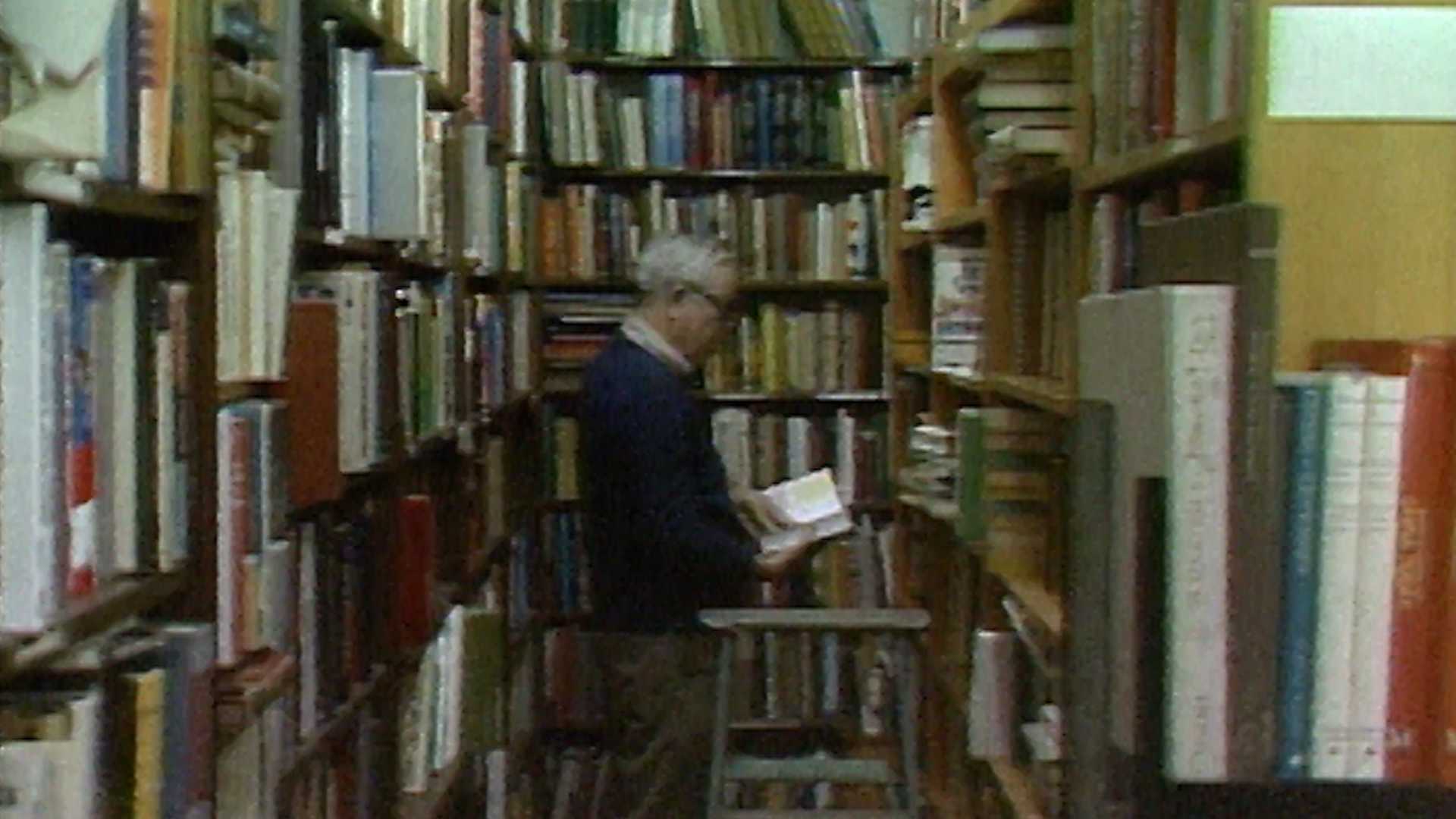
From the front door you see the books, lots of books. *** used bookstore is generally eccentric. Every used bookstore has to have an obligatory cat. Mass market paperbacks are quietly fading from store shelves, but that’s not the whole story. I’m Eric Jones, and this is the Archive Explained. And this is *** mass market paperback, smaller, cheaper, built for spinning racks, and this is *** trade paperback, larger, better paper, sold mainly in bookstores and online. Mass market paperback sales fell from about 131 million copies in 2004 to roughly 21 million 20 years later, just 3% of units sold. That decline is changing where and how we find them. By the end of 2025, the largest distributor of the format is stock. Now they’re slowly disappearing from grocery stores and airports. Even Stephen King says he’s sad to see them go. He told The New York Times that mass market paperbacks helped propel his first success, and he still remembers selling the paperback rights to Carrie for *** life-changing $400,000. But this isn’t the end of books. Print still makes up more than 50% of industry revenue. Trade paperbacks and hardcovers aren’t going anywhere. What is fading isn’t reading. It’s just that ultra affordable everywhere entry point, and that’s why. This 1989 archive clip matters. It’s *** reminder we still have places to find these books like this Baltimore used bookstore, 60,000 titles, *** cat in the stacks, and *** father who believed that reading could change his son’s life. The racks may be shrinking, but the stories are not. It sits on Greenmount Avenue, its front windows pasted up with flyers, and from the front door you see the books, lots of books, all of them used because that’s what Second Story Books sells. Now you have to understand that other stores carry maybe 10,000 titles max, and we carry maybe 60,000 books, 60,000 different titles, so we have to devote the space to all the books. *** used bookstore. Devotes their space to anything they want. *** used bookstore is generally eccentric. The owner of the store or the manager of the store can decide what they want to carry. And while you won’t find any glossy displays of bestsellers among the cramped aisles of this neighborhood bookstore, you will find lots of well thumbed paperbacks, perhaps some out of print books, plus books on all the topics that usually attract people to *** bookstore in the first place. Now we go for *** very casual atmosphere. It’s very comfortable if you want to spend *** couple of hours here looking at books, it’s no problem at all. You don’t feel like people are watching you and waiting for you to buy something right away. Baltimore, it’s devoted to the neighborhoods. You’ll find we’ll get people from Waverly. We’ll get people coming in from Roland Park. You’ll get people coming down from Towson. You get the John Hopkins individuals, and you probably get some people from other parts of the town. By the way, don’t be surprised if you see *** cat or two sitting among the stacks. That’s *** prerequisite for any used bookstore. You know, it’s, it goes with the territory. So why is it *** free rap? I don’t know. It happened about 200 years ago, but also every, every used bookstore has to have an obligatory cat. Of course, when you’re *** neighborhood business that’s been around *** while, there are always stories and customers you remember some gentleman from the neighborhood. who obviously didn’t have *** high paying job was very concerned about his son’s future and said that I may not be making *** lot of money but I’m gonna make sure my son goes to college and reading is the key so I’m gonna make sure he reads well and I was really appreciate I really appreciated that made me feel that’s why we’re in business.
Advertisement
Mass market paperbacks are fading, this archive clip shows what they built
Mass market paperbacks are disappearing. This archive clip reminds us of the bookstores and communities they helped create.

Mass market paperbacks used to be everywhere. They’re cheap, compact and easy to slip into a pocket.But the format that once dominated the racks is shrinking.Sales of mass market paperbacks have fallen sharply over the past two decades, and major distributors are stepping away from the format. This isn’t the end of books. Print still makes up more than half of publishing revenue. But it marks the fading of one of the most accessible entry points to reading.That’s what makes this 1989 archive clip feel so relevant.Inside a Baltimore used bookstore, you see what those paperbacks helped build: cramped aisles and 60,000 books. Regulars drift in and out. A cat wanders between the stacks.It’s a place where people linger. A place where a father who didn’t make much money could buy books for his son because he believed reading was the key to his future.Mass market paperbacks may be harder to find today, but as this clip shows, the heart of reading has always lived somewhere deeper.Watch the video to see what bookstores looked like in the ’80s and how much still feels the same.If you love the feel of a paperback in your hands, stop by your local bookstore. The racks may be shrinking, but the shelves are still full.
Mass market paperbacks used to be everywhere. They’re cheap, compact and easy to slip into a pocket.
But the format that once dominated the racks is shrinking.
Advertisement
Sales of mass market paperbacks have fallen sharply over the past two decades, and major distributors are stepping away from the format.
This isn’t the end of books. Print still makes up more than half of publishing revenue. But it marks the fading of one of the most accessible entry points to reading.
That’s what makes this 1989 archive clip feel so relevant.
Inside a Baltimore used bookstore, you see what those paperbacks helped build: cramped aisles and 60,000 books. Regulars drift in and out. A cat wanders between the stacks.
It’s a place where people linger. A place where a father who didn’t make much money could buy books for his son because he believed reading was the key to his future.
Mass market paperbacks may be harder to find today, but as this clip shows, the heart of reading has always lived somewhere deeper.
Watch the video to see what bookstores looked like in the ’80s and how much still feels the same.
If you love the feel of a paperback in your hands, stop by your local bookstore. The racks may be shrinking, but the shelves are still full.