
Read the full article on KETV 7

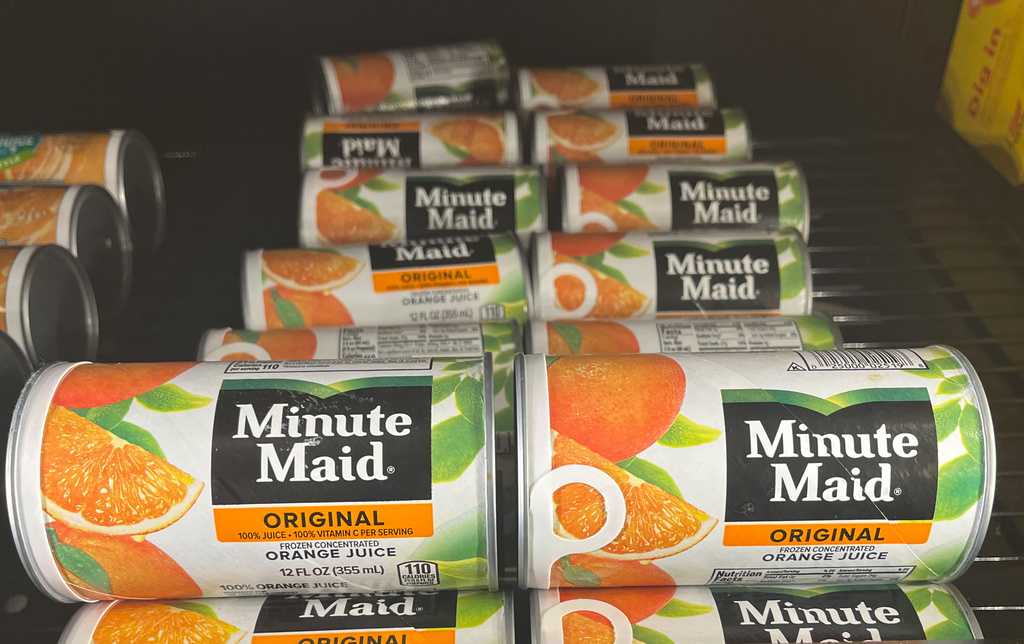
Minute Maid helped make orange juice a year-round morning staple in 1946, when it started shipping cans of frozen juice around the U.S.Related video above: The protein craze explained: What you actually need, according to a dietitianBut 80 years later, the brand’s parent company is halting sales of frozen juice concentrates in the U.S. and Canada, saying it wants to focus on the fresh juices that customers now prefer.“We are discontinuing our frozen products and exiting the frozen can category in response to shifting consumer preferences,” The Coca-Cola Co., which owns Minute Maid, said Wednesday in a statement.Minute Maid’s frozen juices – including several varieties of orange juice, lemonade and limeade – will be discontinued by April, with inventory available while supplies last, Coca-Cola said.For generations, Americans who wanted orange juice without the work of squeezing fresh fruit cracked open a can and watched a cylinder of frozen juice go ker-plunk into a pitcher. The concentrated juice was mixed with water to make it ready for drinking.In 1946, Vacuum Foods Corp. became the first U.S. company to ship frozen orange juice across the country, according to Coca-Cola. It named the product Minute Maid; Vacuum Foods eventually changed its name to Minute Maid as well. Rival Tropicana, which still sells frozen canned juice, was founded in 1947.Coca-Cola acquired Minute Maid in 1960, and 13 years later, Minute Maid introduced ready-to-drink orange juice, which was sold in the refrigerated case instead of the freezer and let consumers skip the step of mixing it up. Minute Maid added lemonade and fruit punch to its lineup in 1980.In recent years, orange juice has struggled as other options, like energy drinks and protein smoothies, have flooded the market. Skyrocketing prices due to poor weather conditions in Brazil and Florida haven’t helped; a 12-ounce can of frozen orange juice cost an average of $4.82 in December, up 13% from the prior year, according to U.S. government data.Consumers also increasingly questioned the added sugar in juices. Minute Maid launched Zero Sugar versions of its fresh juices in 2020. But its frozen juices have languished along with the broader frozen juice category.U.S. sales of frozen beverages fell nearly 8% in the 52 weeks ending Jan. 24, according to the market research firm NielsenIQ.
Minute Maid helped make orange juice a year-round morning staple in 1946, when it started shipping cans of frozen juice around the U.S.
Related video above: The protein craze explained: What you actually need, according to a dietitian
Advertisement
But 80 years later, the brand’s parent company is halting sales of frozen juice concentrates in the U.S. and Canada, saying it wants to focus on the fresh juices that customers now prefer.
“We are discontinuing our frozen products and exiting the frozen can category in response to shifting consumer preferences,” The Coca-Cola Co., which owns Minute Maid, said Wednesday in a statement.
Minute Maid’s frozen juices – including several varieties of orange juice, lemonade and limeade – will be discontinued by April, with inventory available while supplies last, Coca-Cola said.
For generations, Americans who wanted orange juice without the work of squeezing fresh fruit cracked open a can and watched a cylinder of frozen juice go ker-plunk into a pitcher. The concentrated juice was mixed with water to make it ready for drinking.
In 1946, Vacuum Foods Corp. became the first U.S. company to ship frozen orange juice across the country, according to Coca-Cola. It named the product Minute Maid; Vacuum Foods eventually changed its name to Minute Maid as well. Rival Tropicana, which still sells frozen canned juice, was founded in 1947.
Coca-Cola acquired Minute Maid in 1960, and 13 years later, Minute Maid introduced ready-to-drink orange juice, which was sold in the refrigerated case instead of the freezer and let consumers skip the step of mixing it up. Minute Maid added lemonade and fruit punch to its lineup in 1980.
In recent years, orange juice has struggled as other options, like energy drinks and protein smoothies, have flooded the market. Skyrocketing prices due to poor weather conditions in Brazil and Florida haven’t helped; a 12-ounce can of frozen orange juice cost an average of $4.82 in December, up 13% from the prior year, according to U.S. government data.
Consumers also increasingly questioned the added sugar in juices. Minute Maid launched Zero Sugar versions of its fresh juices in 2020. But its frozen juices have languished along with the broader frozen juice category.
U.S. sales of frozen beverages fell nearly 8% in the 52 weeks ending Jan. 24, according to the market research firm NielsenIQ.