
Read the full article on KETV 7
FINALLY SEE JUSTICE. NO FACE, NO NAME, JUST A SINGLE BONE AND A MYSTERY THAT MAY NOW FINALLY BE SOLVED. THERE’S QUITE LITERALLY NO LEADS. THESE SKELETAL REMAINS JUST ARRIVED HERE AT OREM, A FIRST OF ITS KIND LAB LOCATED JUST OUTSIDE HOUSTON. ITS MISSION TO HARNESS THE POWER OF THE BIGGEST DNA SEQUENCER ON EARTH TO HELP SOLVE MURDERS, RAPES AND OTHER VIOLENT CRIMES. WE CALL THIS A REVOLUTION AND COLD CASE RESOLUTION. THIS IS CERTAINLY IN MY OPINION, THE MOST EXCITING THAT’S HAPPENED IN THE LAST 30 YEARS. TELEVISION CAMERAS HAVE NEVER CAPTURED THIS BEFORE. SCIENTISTS STARTING THE PROCESS OF RELEASING HIDDEN DNA FROM A SMALL PIECE OF THAT BONE. FIVE INVESTIGATES WAS INVITED IN BY AUTHOR FOUNDER DAVID MIDDLEMAN FOR A FIRSTHAND LOOK ON THE FRONT LINES OF FORENSIC GENETIC GENEALOGY. SOMETIMES IT’S A BONE FRAGMENT. OTHER TIMES IT’S EVIDENCE FROM POLICE, THE DNA FROM A CRIME SCENE, SEXUAL ASSAULT KIT, A CIGARET –, A PIECE OF STAINED FABRIC, PRESERVED MATERIAL FROM AUTOPSY SLIDES. AND WHEN YOU THINK ABOUT WHAT HAPPENS IN THIS ROOM, WHAT GOES THROUGH YOUR MIND? I THINK THIS IS WHERE THE MAGIC HAPPENS. THE MAGIC UNLOCKING THAT DNA AND RELEASING CLOSE TO A MILLION MARKERS, IDENTIFIERS UNIQUE TO THAT PERSON. THE MARKERS ARE CLUES. THEY COMPARE TO DNA DATABASES. BUT NOW THEY DON’T NEED AN EXACT MATCH. EVEN A VERY DISTANT RELATIVE CAN PROVIDE A CRUCIAL INVESTIGATIVE LEAD. YOU GET ANY MATCHES UP TO SIX COUSIN, FIVE COUSIN, FOURTH COUSIN. AND WE’RE ABLE TO RECONSTRUCT THE FAMILY TREE AND GIVE BACK TO LAW ENFORCEMENT A POSSIBLE IDENTITY FOR THE VICTIM OR PERPETRATOR OF THAT CRIME. DAVID AND HIS WIFE, DR. KRISTEN MITTLEMAN, AND THEIR TEAM AT OREM HAVE ALREADY SEEN RESULTS WITH CASES HERE IN MASSACHUSETTS AND ACROSS THE COUNTRY. THESE ARE FACES OF PEOPLE WHOSE REMAINS WERE RECENTLY IDENTIFIED, INCLUDING A CASE THAT HAUNTED THE COMMONWEALTH FOR DECADES. THE LADY OF THE DUNES, THE VICTIM’S HANDS WERE MISSING, PRESUMABLY REMOVED BY HER KILLER. SO SHE COULD NOT BE IDENTIFIED THROUGH FINGERPRINTS. THE FBI ASKED OSTROM TO JOIN THE CASE AFTER OTHER LABS WEREN’T ABLE TO EXTRACT DNA FROM THE BONES FOUND IN PROVINCETOWN IN 1974, WHICH HAD BEEN TREATED WITH FORMALDEHYDE. FORMALDEHYDE CAUSES, CROSS LINKS IN DNA. SO BEING ABLE TO BREAK THAT AND STILL READ THAT SEQUENCE OF DNA IS VERY, VERY DIFFICULT PROFILE HELPED INVESTIGATORS FIND A CLOSE RELATIVE LEADING THEM TO IDENTIFY RUTH MARIE TERRY OF TENNESSEE AS THE LADY OF THE DUNES. ARTHUR MAY ALSO HELP SOLVE ANOTHER CASE THAT BAFFLED MASSACHUSETTS DETECTIVES FOR DECADES TO IDENTIFY THE WOMAN KNOWN ONLY AS THE GRANBY GIRL. 28 YEAR OLD PATRICIA ANN TUCKER. WHEN YOU FIND OUT A CASE HAS BEEN SOLVED, WHAT IS THAT LIKE FOR YOU? IT’S REALLY EXCITING AND IT’S IT’S TRULY VALIDATING WHEN THIS IS DONE AT SCALE, IT BENEFITS SOCIETY AT LARGE. THAT’S WHEN IT BECOMES A DETERRENT FOR CRIME. THAT’S WHEN YOU START TO SEE REAL IMPROVEMENT IN SOCIETY AS A WHOLE. I IDENTIFYING REMAINS IS THE FIRST STEP. NOW INVESTIGATORS ARE WORKING TO DETERMINE WHO KILLED THESE WOMEN. WE’RE TRYING TO NOT ONLY GET ANSWERS FOR LAW ENFORCEMENT, BUT ALSO ENABLE ANSWERS FOR FAMILIES THAT THAT HAVE BEEN WAITING FAR TOO LONG. DO YOU BELIEVE THERE WILL BE MORE MASSACHUSETTS CASES SOLVED HERE? 100%, 100%. AND YOUR MESSAGE TO PERPETRATORS OUT THERE WHO HAVE NOT YET BEEN CAUGHT? IT’S A MATTER O
Advertisement
Nancy Guthrie kidnapping investigation turns to genetic genealogy: What is that?
New forensic technology has already helped to solve several cases in New England

Investigators searching for clues in the Arizona kidnapping of Nancy Guthrie are turning to genetic genealogy, a forensic technology that has already helped to crack several notorious cold cases throughout New England.The 84-year-old mother of NBC “Today” co-anchor Savannah Guthrie was reported missing from her home on Feb. 1 after spending the previous night with family, police said. DNA from gloves found a few miles from Guthrie’s Tucson-area home did not match any entries in a national law enforcement database, the Pima County Sheriff’s Department said. Next, the department said it is looking to feed DNA evidence into other “genetic genealogy” databases.While the department did not elaborate on the databases that investigators planned to use, the toolset also known as forensic genetic genealogy, has been crucial in making recent progress in numerous cases, including several that were cold cases for decades. How does forensic genetic genealogy work?Traditional DNA testing may hit a limit if there was not a known person in a DNA database against which to compare the sample.But forensic genetic genealogy can match a DNA sample to people in the suspect’s family tree, so long as a relative is in one of the DNA databases being checked. It can even be a distant relative.”We build DNA profiles that have hundreds and hundreds of thousands of markers. And so when we upload those profiles to these databases, you get any matches up to sixth cousin, fifth cousin, fourth cousin,” Kristen Mittelman, of Texas-based Othram, told sister station WCVB during an exclusive 2023 interview. “And then we take all of those matches and the distance of each match from the DNA that we got from the crime scene. And we’re able to reconstruct the family tree and give back to law enforcement a possible identity for the victim or perpetrator of that crime scene.” “When this is done at scale, it benefits society at large. That’s when it becomes a deterrent for crime. That’s when you start to see real improvement in society as a whole,” Othram founder David Mittelman said.What cases were solved through genetic genealogy? In recent years, investigators have used forensic genetic genealogy to solve numerous cold cases. The case of Stephen Paul Gale, for example, is scheduled to go to trial next month. He’s charged with raping two women in 1989 in a Massachusetts store.While law enforcement developed a DNA profile from evidence in 2001, they didn’t have a DNA match until the survivors pushed for the case to be reopened and sent to outside laboratories to perform forensic genetic genealogy. That work helped to identify family members of Gale, some of whom agreed to provide DNA for the investigation. Gale was arrested in Los Angeles in August 2024 after a dramatic police chase, which was the ending to a monthslong nationwide manhunt.Last year, with Gale back in custody in Massachusetts, a court compelled him to provide a DNA sample. Prosecutors said it was a match for the evidence from the 1989 crime scene.The technology was crucial in finding the identity of the Lady of the Dunes, a woman whose body was found in Provincetown, Massachusetts, in 1974. A DNA profile helped investigators find a close relative of the woman, which in turn led them to identify her in 2023 as Ruth Marie Terry of Tennessee.Skeletal remains found in Granby in 1978 were identified through the use of this technology as Patrician Ann Tucker, who was 28 at the time of her death. Even more recently, in 2025, genetic genealogy helped police to identify the final victim of a notorious homicide case, known as the Bear Brook murders in New Hampshire. In that case, investigators assembled a family tree containing about 25,000 individuals and identified likely ancestors dating back to a couple born in the 1780s. The family lineage was traced forward, and Randolph said the team found a 2005 obituary for a relative who was survived by a daughter named Pepper Reed, who disappeared from the records during the 1970s.From there, additional DNA connections to relatives were discovered and investigators confirmed Pepper Reed was the mother of the little Jane Doe, whose true name was Rea Rasmussen. The child’s father, investigators said, was Terry Rasmussen, who also went by Bob Evans. He died in prison about 15 years ago and is believed to be the killer in the Bear Brook murders.
Investigators searching for clues in the Arizona kidnapping of Nancy Guthrie are turning to genetic genealogy, a forensic technology that has already helped to crack several notorious cold cases throughout New England.
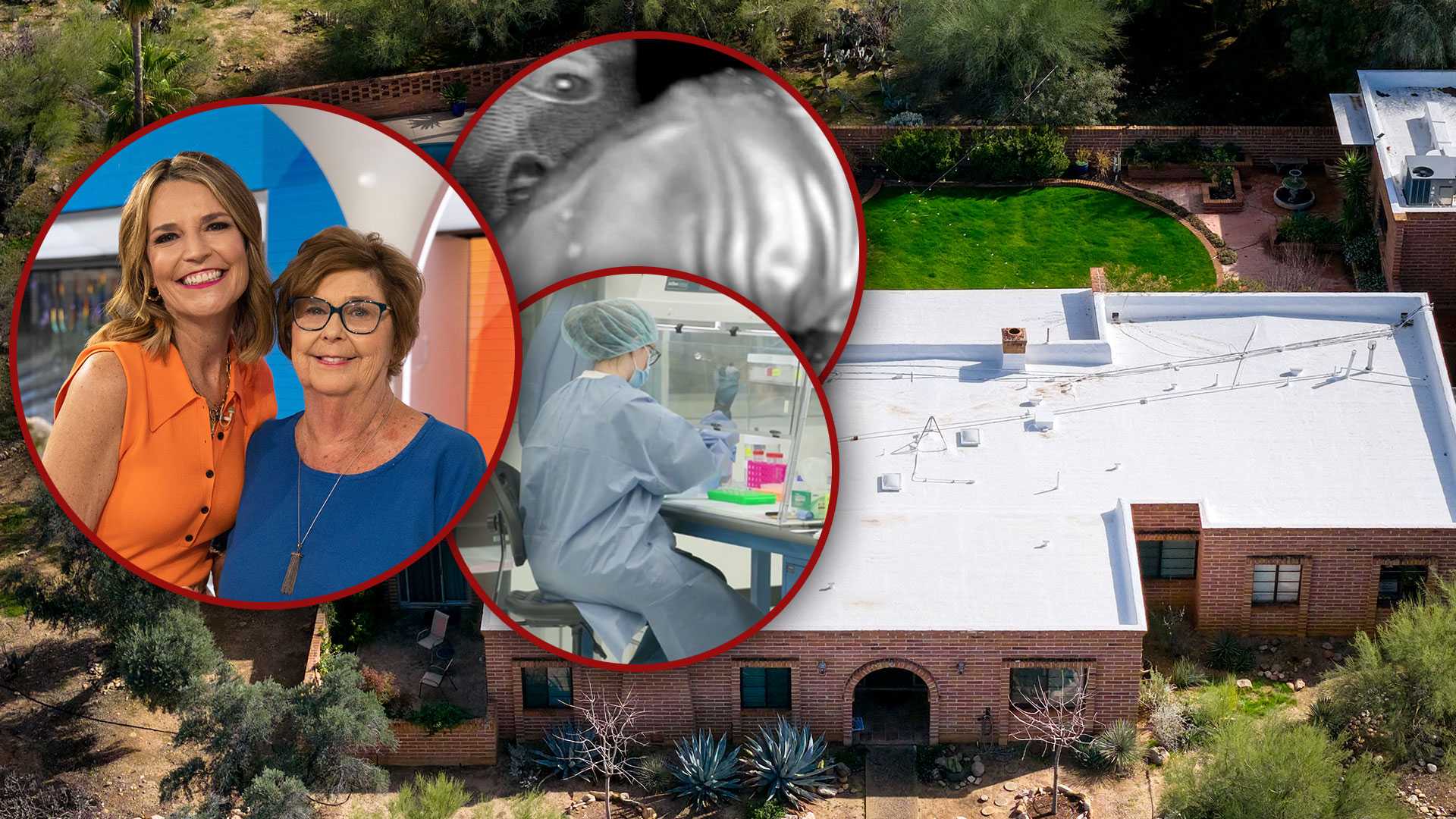
The 84-year-old mother of NBC “Today” co-anchor Savannah Guthrie was reported missing from her home on Feb. 1 after spending the previous night with family, police said.
Advertisement
DNA from gloves found a few miles from Guthrie’s Tucson-area home did not match any entries in a national law enforcement database, the Pima County Sheriff’s Department said. Next, the department said it is looking to feed DNA evidence into other “genetic genealogy” databases.
While the department did not elaborate on the databases that investigators planned to use, the toolset also known as forensic genetic genealogy, has been crucial in making recent progress in numerous cases, including several that were cold cases for decades.
How does forensic genetic genealogy work?
Traditional DNA testing may hit a limit if there was not a known person in a DNA database against which to compare the sample.
But forensic genetic genealogy can match a DNA sample to people in the suspect’s family tree, so long as a relative is in one of the DNA databases being checked. It can even be a distant relative.
“We build DNA profiles that have hundreds and hundreds of thousands of markers. And so when we upload those profiles to these databases, you get any matches up to sixth cousin, fifth cousin, fourth cousin,” Kristen Mittelman, of Texas-based Othram, told sister station WCVB during an exclusive 2023 interview. “And then we take all of those matches and the distance of each match from the DNA that we got from the crime scene. And we’re able to reconstruct the family tree and give back to law enforcement a possible identity for the victim or perpetrator of that crime scene.”
“When this is done at scale, it benefits society at large. That’s when it becomes a deterrent for crime. That’s when you start to see real improvement in society as a whole,” Othram founder David Mittelman said.
What cases were solved through genetic genealogy?
In recent years, investigators have used forensic genetic genealogy to solve numerous cold cases.
The case of Stephen Paul Gale, for example, is scheduled to go to trial next month. He’s charged with raping two women in 1989 in a Massachusetts store.
While law enforcement developed a DNA profile from evidence in 2001, they didn’t have a DNA match until the survivors pushed for the case to be reopened and sent to outside laboratories to perform forensic genetic genealogy. That work helped to identify family members of Gale, some of whom agreed to provide DNA for the investigation.
Gale was arrested in Los Angeles in August 2024 after a dramatic police chase, which was the ending to a monthslong nationwide manhunt.
Last year, with Gale back in custody in Massachusetts, a court compelled him to provide a DNA sample. Prosecutors said it was a match for the evidence from the 1989 crime scene.
The technology was crucial in finding the identity of the Lady of the Dunes, a woman whose body was found in Provincetown, Massachusetts, in 1974. A DNA profile helped investigators find a close relative of the woman, which in turn led them to identify her in 2023 as Ruth Marie Terry of Tennessee.
Skeletal remains found in Granby in 1978 were identified through the use of this technology as Patrician Ann Tucker, who was 28 at the time of her death.
Even more recently, in 2025, genetic genealogy helped police to identify the final victim of a notorious homicide case, known as the Bear Brook murders in New Hampshire. In that case, investigators assembled a family tree containing about 25,000 individuals and identified likely ancestors dating back to a couple born in the 1780s. The family lineage was traced forward, and Randolph said the team found a 2005 obituary for a relative who was survived by a daughter named Pepper Reed, who disappeared from the records during the 1970s.
From there, additional DNA connections to relatives were discovered and investigators confirmed Pepper Reed was the mother of the little Jane Doe, whose true name was Rea Rasmussen.
The child’s father, investigators said, was Terry Rasmussen, who also went by Bob Evans. He died in prison about 15 years ago and is believed to be the killer in the Bear Brook murders.