

Read the full article on KETV 7

As the cost of living continues to rise, the demand for affordable housing increases. Local developers are collaborating to meet that demand by revitalizing the building at 22nd and Douglas Street.The building served as a hotel for decades before Together Omaha converted it into a shelter for unhoused people after the pandemic. That shelter closed its doors in 2024.”It became clear that the non-congregate shelter model that Together was operating wasn’t going to continue. And the priority that they placed was another affordable housing use on the site,” said Jake Hoppe, CEO of Lincoln-based Hoppe Development. Together chose Hoppe Development and Spark CDI to fill that need.The team brought on emerging developer Donell Brown, who was born and raised in north Omaha. “One thing I’ve always noticed was affordable housing, the lack of it,” Brown said. With City View shutting down, Brown has seen the demand for affordable housing in our urban core increase even more. “They’re stretched for resources and capacity,” Brown said. As the cost of living rises, developers say one group of people feels the blow the most: “Seniors are often living on fixed incomes that fail to keep pace with rising costs of things like housing and food,” said Ashley Carroll, the director of healthy communities at CHI. The new development is designed to help combat that through its unique layout.”We integrate the affordable housing into a market-rate building using a condo structure,” Hoppe said.Brown says he envisions the space as more than just a place to live. “Where they’re invested, they have what they want and what they need to be kind of a self-sufficient, you know, little village,” Brown said. The team says one major aspect of self-sufficiency is health and well-being. They’re partnering with CHI Health to provide ways to prioritize health in future tenants.”That could include things like voice-activated light controls or grab bars and accessible showers, as well as on-site services and programming to promote health and facilitate social connection,” Carroll said.The team is hoping this method of integrating low-income and market-rate housing can be a blueprint for future developers in Omaha’s urban core.
As the cost of living continues to rise, the demand for affordable housing increases.
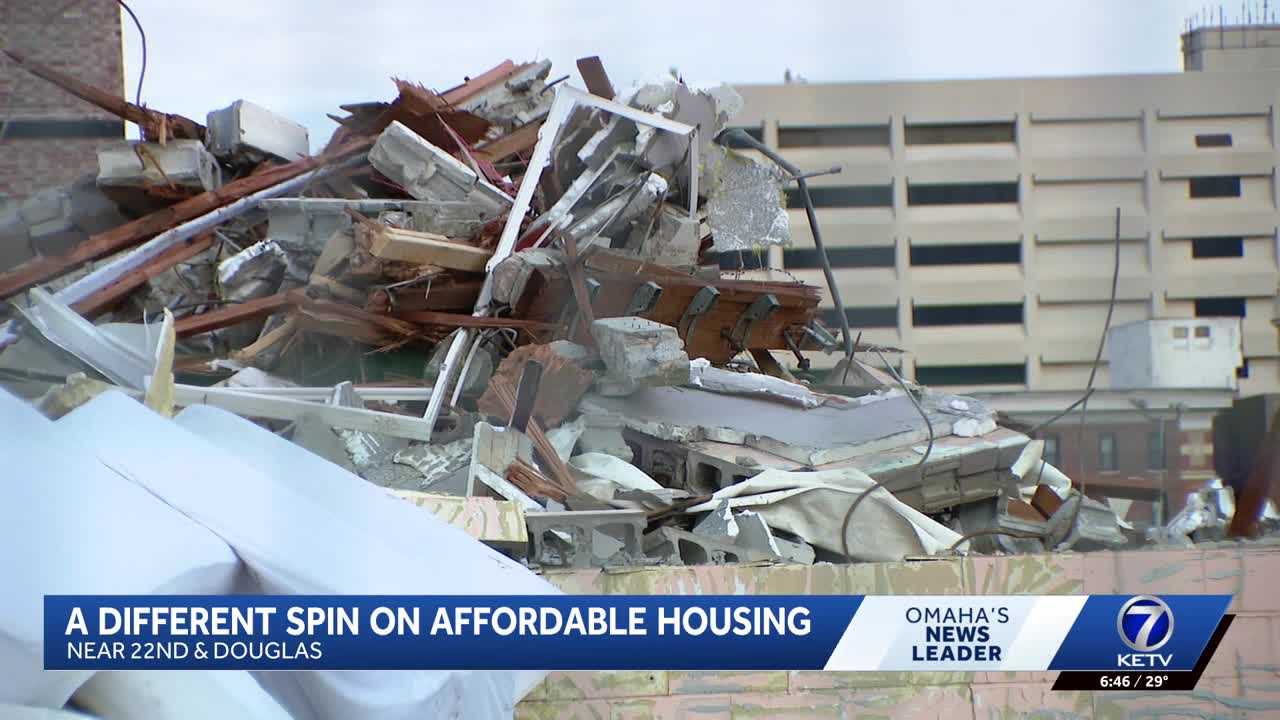
Local developers are collaborating to meet that demand by revitalizing the building at 22nd and Douglas Street.
Advertisement
The building served as a hotel for decades before Together Omaha converted it into a shelter for unhoused people after the pandemic. That shelter closed its doors in 2024.
“It became clear that the non-congregate shelter model that Together was operating wasn’t going to continue. And the priority that they placed was another affordable housing use on the site,” said Jake Hoppe, CEO of Lincoln-based Hoppe Development.
Together chose Hoppe Development and Spark CDI to fill that need.
The team brought on emerging developer Donell Brown, who was born and raised in north Omaha.
“One thing I’ve always noticed was affordable housing, the lack of it,” Brown said.
With City View shutting down, Brown has seen the demand for affordable housing in our urban core increase even more.
“They’re stretched for resources and capacity,” Brown said.
As the cost of living rises, developers say one group of people feels the blow the most:
“Seniors are often living on fixed incomes that fail to keep pace with rising costs of things like housing and food,” said Ashley Carroll, the director of healthy communities at CHI.
The new development is designed to help combat that through its unique layout.
“We integrate the affordable housing into a market-rate building using a condo structure,” Hoppe said.
Brown says he envisions the space as more than just a place to live.
“Where they’re invested, they have what they want and what they need to be kind of a self-sufficient, you know, little village,” Brown said.
The team says one major aspect of self-sufficiency is health and well-being.
They’re partnering with CHI Health to provide ways to prioritize health in future tenants.
“That could include things like voice-activated light controls or grab bars and accessible showers, as well as on-site services and programming to promote health and facilitate social connection,” Carroll said.
The team is hoping this method of integrating low-income and market-rate housing can be a blueprint for future developers in Omaha’s urban core.