
Read the full article on KETV 7
AGAINST IRAN ARE POSSIBLE. FEBRUARY IS NATIONAL CANCER PREVENTION MONTH, AND ONE OMAHA WOMAN IS SHARING HER DIAGNOSIS STORY IN HOPES OF HELPING OTHERS. KETV NEWSWATCH SEVEN’S BETH CARLSON SPOKE WITH HER ON THE BENEFITS OF EARLY DETECTION. BETH. YEAH, AMY NISSEN AND HER DOCTORS CREDIT EARLY DETECTION IS A KEY REASON SHE IS NOW CANCER FREE. SHE’S ADVOCATING FOR MORE WOMEN TO KNOW THE SIGNS OF ENDOMETRIAL CANCER. WORST CASE SCENARIO, I COULD HAVE CANCER AND I DID THAT ALREADY. SO AMY NISSEN SAYS SHE LOOKS AT LIFE THROUGH A NEW LENS AFTER A DIAGNOSIS SHE NEVER SAW COMING. THERE WERE CHECKLISTS I WAS LOOKING AT, BUT EVERYTHING THAT MENTIONED ENDOMETRIAL CANCER WAS WOMEN THAT WERE 60. AND SO I’M LIKE, I’M NOT THAT OLD, SO THIS IS NOT IT, OR POST-MENOPAUSAL, WHICH WAS ALSO NOT ME. SO I DIDN’T THINK I WAS LIKE, SOMETHING IS WRONG ON THE OUTSIDE. NOTHING WAS WRONG. BUT NISSEN SAYS SHE WAS STRUGGLING WITH EXTREMELY HEAVY BLEEDING. I WAS SO CONCERNED ABOUT IT, BUT I HADN’T TOLD ANYBODY BECAUSE IT’S KIND OF EMBARRASSING WHEN YOU’RE LIKE, HERE I AM, YOU KNOW, 40 SOMETHING YEARS OLD AND I CAN’T GET MY PERIOD UNDER CONTROL. HER DOCTORS IN NEBRASKA MEDICINE DIAGNOSED HER WITH ENDOMETRIAL CANCER, BUT BECAUSE OF EARLY DETECTION, SURGERY WAS AN OPTION WHEN IT’S DETECTED EARLY, MANY PATIENTS CAN BE CURED. LIKE MY PATIENT, AMY. AND THAT’S ULTIMATELY WE WANT GOOD OUTCOMES FOR ALL PATIENTS. NOW, NISSEN IS PARTNERING WITH A NATIONAL CAMPAIGN TO EDUCATE MORE PEOPLE ON ENDOMETRIAL CANCER. THEY TAKE THAT EMBARRASSMENT OUT OF IT. THAT SHOULDN’T EVEN BE PART OF THE EQUATION. DON’T BE AFRAID TO SPEAK OUT. GET THE HELP. CALL YOUR DOCTOR. DO WHAT YOU THINK IS RIGHT FOR YOU. BY REFRAMING THE CONVERSATION, SHE HOPES TO HELP MORE WOMEN LIKE HER. I HAVE THAT STIGMA OF LIKE, WE DON’T TALK ABOUT THESE THINGS. SO YEAH, JUST IT DOES CHANGE YOUR OUTLOOK. AND I’M JUST HAPPY TO BE ON THE OTHER SIDE OF IT. THE DON’T BE EMBARRASSED CAMPAIGN SAYS EARLY DETECTIONS LIKE NISSEN’S LEAD TO A 95% CHANCE OF SURVIVAL FOR AT LEAST FIVE YEARS. TO LEARN MORE ABOUT DETECTION, THERE IS A LINK I
Advertisement
‘Take that embarrassment out’: Omaha woman shares cancer diagnosis to promote early detection
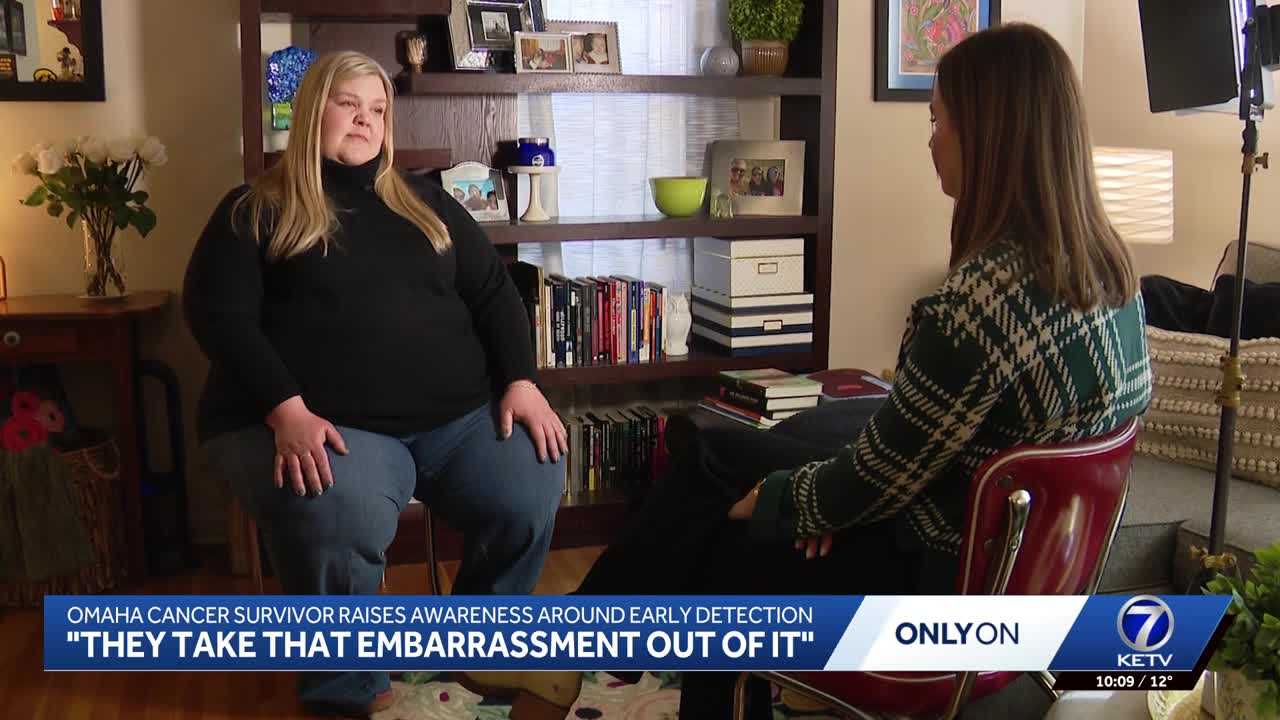
Amy Nissen, an Omaha resident, is advocating for awareness of endometrial cancer symptoms after early detection helped her become cancer-free.

February is National Cancer Prevention Month, and Amy Nissen is sharing her personal story to help others recognize the early signs of endometrial cancer, which she credits with her recovery.Nissen said she kept her initial symptoms private, including extremely heavy menstrual bleeding. “There were checklists I was looking at, but everything that mentioned endometrial cancer was women that were 60. And so, I’m like, I’m not that old, so this is not it. Or postmenopausal, which was also not me. I didn’t think something was wrong,” she said.She says the stigma around asking for help was daunting, but she finally went to the emergency room. “I was so concerned about it, but I hadn’t told anybody because it’s kind of embarrassing where you’re like, here I am, you know, 40-some years old, and I can’t get my period under control,” she said.Her doctors at Nebraska Medicine diagnosed her with endometrial cancer, but early detection made surgery an option. “When it’s detected early, many patients can be cured, like my patient, Amy. And that’s ultimately, we want good outcomes for all patients,” Lindsey McAlarnen, Nebraska Medicine gynecologic oncologist, said. Nissen is now partnering with the national campaign “Don’t Be Embarrassed” to educate more people about endometrial cancer. “They take that embarrassment out of it. That shouldn’t even be part of the equation,” Nissen said. “Don’t be afraid to speak out. Get the help. Call your doctor. Do what you think is right for you.”By reframing the conversation, Nissen hopes to help more women like her. “I had that stigma of like, ‘We don’t talk about these things.’ So yeah, just, it does change your outlook. And I’m just happy to be on the other side of it,” she said.The “Don’t Be Embarrassed” campaign highlights those early detections, like Nissen’s, that lead to a 95 percent chance of survival for at least five years.
February is National Cancer Prevention Month, and Amy Nissen is sharing her personal story to help others recognize the early signs of endometrial cancer, which she credits with her recovery.
Nissen said she kept her initial symptoms private, including extremely heavy menstrual bleeding.
Advertisement
“There were checklists I was looking at, but everything that mentioned endometrial cancer was women that were 60. And so, I’m like, I’m not that old, so this is not it. Or postmenopausal, which was also not me. I didn’t think something was wrong,” she said.
She says the stigma around asking for help was daunting, but she finally went to the emergency room.
“I was so concerned about it, but I hadn’t told anybody because it’s kind of embarrassing where you’re like, here I am, you know, 40-some years old, and I can’t get my period under control,” she said.
Her doctors at Nebraska Medicine diagnosed her with endometrial cancer, but early detection made surgery an option.
“When it’s detected early, many patients can be cured, like my patient, Amy. And that’s ultimately, we want good outcomes for all patients,” Lindsey McAlarnen, Nebraska Medicine gynecologic oncologist, said.
Nissen is now partnering with the national campaign “Don’t Be Embarrassed” to educate more people about endometrial cancer.
“They take that embarrassment out of it. That shouldn’t even be part of the equation,” Nissen said. “Don’t be afraid to speak out. Get the help. Call your doctor. Do what you think is right for you.”
By reframing the conversation, Nissen hopes to help more women like her.
“I had that stigma of like, ‘We don’t talk about these things.’ So yeah, just, it does change your outlook. And I’m just happy to be on the other side of it,” she said.
The “Don’t Be Embarrassed” campaign highlights those early detections, like Nissen’s, that lead to a 95 percent chance of survival for at least five years.