Read the full article on KETV 7
Paralympics provide representation and spotlight ‘incredible’ athletes
The Vermont-based Kelly Brush Foundation has supported several athletes on their roads to the Paralympics, and says the international competition will provide meaningful representation for people with disabilities
NOW TO A CONVERSATION ABOUT THE áPARALYMPICS — ALSO HAPPENING IN MILAN-CORTINA — WITH THE FOUNDER OF THE VERMONT-BASED KELLY BRUSH FOUNDATION. THE FOUNDATION RAISES MONEY THROUGH THE ANNUAL KELLY BRUSH RIDE AND OTHER EVENTS, ALL TO EMPOWER PEOPLE WITH SPINAL CORD INJURIES TO LIVE ACTIVE LIVES. BRUSH USES A WHEELCHAIR FOLLOWING AN ACCIDENT IN A COLLEGE SKI RACE 20 YEARS AGO AND STILL PARTICIPATES IN A RANGE OF ADAPTIVE SPORTS. SO SHE AIMS TO REMOVE BARRIERS FOR OTHER PEOPLE TO COSTLY ADAPTIVE SPORTS EQUIPMENT LIKE SIT-SKIS OR HAND-CYCLE BIKES. ANNA SOENS OF OREGON WILL REPRESENT TEAM USA AT THE PARALYMPICS — IN ALPINE SKIING. SHE TOLD US A GRANT FROM K-B-F TO BUY AN ADAPTIVE BIKE A DECADE AGO HELPED HER BUILD COMMUNITY AND CHANGE HER OUTLOOK ON HER SPINAL CORD INJURY — SHOWING THE LONGTIME ROCK CLIMBER HOW SHE COULD áSTILL ENJOY PARTICIPATING IN SPORTS. SHE’S NOW PUMPED TO RACE IN HER FIRST PARALYMPICS. <Kelly and everybody at KBF has probably believed more in me with this whole thing than I’ve believed in myself, and I’m so grateful for that. You need people rooting for you in your corner and the Kelly Brush Foundation is that for thousands of people. We are all grateful.> ANOTHER ATHLETE WHO RECEIVED SUPPORT FROM KBF — MONICA QUIMBY. SHE’S CURRENTLY PART OF A PROJECT TO FIELD AN ALL-WOMEN’S SLED HOCKEY TEAM AT THE PARALYMPICS IN á2030. QUIMBY SAYS THE ATTENTION THE FOUNDATION GIVES TO OPPORTUNITIES LIKE TRAINING CAMPS WILL BE CRUCIAL FOR DEVELOPING FUTURE ATHLETES IN THE SPORT <That’s how we’re able to fuel that pipeline, right? Is to be able to get those athletes interested and involved. When you’re going through something like Kelly Brush Foundation, they’re such an incredible resource. They’re going to be able to connect you to your local area and they’re going to be able to get you into the sports that you’re interested in.> THE PARALYMPICS RUN MARCH 6th TO 15th WITH EVENTS INCLUDING SKIING, BIATHLON, CROSS-COUNTRY SKIING, AND CURLING. KELLY BRUSH SAYS SHE’LL BE WATCHING — AND HOPES YOU WILL BE TOO. <THURSTON: What excites you about the Paralympics?> <BRUSH: The thing that I get excited about with the Paralympics is first seeing this incredible athleticism, me doing it and knowing that I can’t do what they do is really fun to watch. It’s also really interesting for me to watch different disabilities and see how they are able to adapt. Because there are so many different disabilities represented in the Paralympics, and everybody figures out how to do their do their sport in their way. And that’s what I love to see.> <THURSTON: The Paralympics don’t tend to get as much mainstream attention as the Olympics, but that said, they get a lot more than they used to when you and I were kids. What have you seen in terms of the growth of that spotlight?> <BRUSH: Representation, no matter what we’re talking about, is the thing that’s going to be most important. In this situation, it’s representation of disability. When I got hurt in 2006, I didn’t know anything about adaptive sports because I never saw it. And I didn’t happen to know anybody who had a disability in the same way that I do. So now being able to put that out there, that this is now part of the culture that everyone sees, something that my kids are growing up with is just an incredible testament to the power of sport and the power of that bringing everybody together. It doesn’t matter whether you have a disability or not. What these athletes are doing is incredible and it’s fun to watch. Like it’s cool, right? The same way that the Olympics are cool and fun to watch, the Paralympics are the same.> <THURSTON: Well, just the fact that social media has exploded in recent years and we all have video on demand, whether it’s through a streaming service or just on our smartphones, that makes the content from the Paralympics much more shareable, much more viewable on any number of devices.> <BRUSH: Yeah, absolutely. And I think that that’s a really important way to get that out there, because, yes, we haven’t had the same coverage of the Paralympics or other adaptive sports generally, as the Olympics. But as people start to see it more and start to get more excited about it, that’s where that enthusiasm grows. And that’s where then knowledge in the general community starts to grow. There are tons of people out there in the world who have no idea that something like this is possible for them, even though it totally is. If we can get that out there, more people can see it, they can understand it, then they can see themselves doing it, and they can have something to strive for. And to me, that’s a huge win.> <THURSTON: These impressive athletes that we’ll be seeing during the Paralympics. Their stories, their experiences, their triumphs, how do those things help you tell the story about what is possible through the work that the Foundation does?> <BRUSH: For someone with a disability, obviously there’s so many more hurdles to overcome in life, just generally. The world is not set up to be friendly for people with disabilities. Being able to showcase what is possible with a disability in the Paralympics can start to change perspectives. That’s something that we’re doing at the Kelly Brush Foundation. We are trying to show everybody who has a disability that there is so much more possible than what they actually believe when they first acquire their disability, or when they have these doubts about what’s possible. Being able to have these people who are doing these incredible athletic feats in the Paralympics, elevates everything that we do. And it showcases, you know, who we’re able to help, right? So we support a lot of athletes who go to the Paralympics. We also support a lot of athletes who are hopeful to go to the Paralympics. And we support a lot of athletes who just want to ride around the block with their kids or go skiing on a weekend with their friends, and all of that is incredible and is hugely beneficial to everybody. Right? This does it. This is disability and able bodied. The same. Right? We know that sport can be really impactful for everybody and we want to make that possible for everyone with a disability.> <THURSTON: Of course, the Paralympics only happen every few years, but your work happens every day, whether it’s on the ski slope or on the mountain biking trail.> <BRUSH: Yeah, exactly. And we really are helping people all year round, all over the country, get out and be active in whatever way they want to be. I mean, it started with my experience, you know, I was a ski racer. I got hurt, all I wanted to do was be a regular college student and get back on the hill with my friends and my family. That’s what we’re giving to everybody. Whether they’re playing tennis with their friends, whether they’re playing basketball on a team, whether they’re mountain biking, skiing, Nordic skiing, trying to make the Paralympics. Yeah, that work continues. And it’s, it’s something that I love doing, and we’re making a huge impact, I think.> <THURSTON: As a skier yourself, I assume that’s the sport you most enjoy watching at the Paralympics?> <BRUSH: It is. Yeah it is. I mean, I love all of the alpine events. That’s what I did. That’s what I love. That’s my kids are doing now. So that’s definitely sort of where I gravitate towards. But it’s really interesting and fun watching the other events too, especially for a lot of them that I know are really hard. Like, I am definitely an alpine skier, but I Nordic ski at times too. But boy that’s hard. And watching them in the Paralympics do it is just like incredible because I know how hard that is and they are just using so many incredible muscles and it’s awesome to see them do that work. We will help people at any stage of their journey, because what we know is that getting that first piece of equipment or second piece of equipment is really important because you’re trying a new sport, you’re getting out and you’re being active. But we also know that people want to progress, right. Your entry level piece of equipment is not necessarily the thing that’s going to take you to the Paralympics. It’s the equivalent of going to like Walmart or Target and getting a cruiser bike, but really wanting to be competitive. So you need something better than that. We helped, there’s, a guy, Aaron Pike, who’s going to be skiing in the Paralympics for Nordic skiing. The rig that he’s on is one that we helped him get. And that allows him to be in the Paralympics. Now he is one story of over 2000 that we’ve been able to help with equipment specifically, a lot of those are not Paralympians, but a lot of them are on their way and they want to make it there. And if we can help them, either at the very beginning to get them going, or when they’re more of an elite athlete and they need that equipment to do that, we’re happy to do all of that. We support them, you know, physically and emotionally in so many different ways. And being able to build that community, being able to be that support that that person yes, we’re watching them compete, whether they’re skiing, whether they’re Nordic skiing, whether they’re, you know, doing any of the other events, we get to watch them, but we know that there’s so much more around them that help to get them to where they are. And, you know, for KBF, I’m just excited to be one tiny part of that.> <THURSTON: How do you hope the experience of watching the Paralympics affects people?> <BRUSH: I think one of the things that’s most important about this is to not feel bad for somebody who has a disability. Yeah, there’s different struggles. Yes, there’s more that we have to overcome. But the beauty of the Paralympics is celebrating everything that they’ve been able to accomplish and the incredible athleticism that we’re witnessing. So watch it with the lens of how incredible this is, whether you have a disability or not, whether that person has a disability or not, they’re doing things a little bit differently, but they’re still out there ski racing. They’re still competing for their country. They still want us at home to be cheering and rooting for them. That’s the experience that they want. And that’s the experience that I think as viewers, we should be looking at this from.> <THURSTON: Well, thank you for what you’re doing.> <BRUSH: I love doing it. Thank you for, you know, highlighting the work that we’re doing at the Kelly Brush Foundation and the Paralympics because it’s really amazing.> THE FOUNDATION ALSO
Advertisement
Paralympics provide representation and spotlight ‘incredible’ athletes
The Vermont-based Kelly Brush Foundation has supported several athletes on their roads to the Paralympics, and says the international competition will provide meaningful representation for people with disabilities

A Vermont-based organization says the Paralympics will provide meaningful visibility for what is possible for people with disabilities.”Representation, no matter what we’re talking about, is the thing that’s going to be most important,” said Kelly Brush of the Kelly Brush Foundation. “What these athletes are doing is incredible and it’s fun to watch, the same way that the Olympics are cool and fun to watch.”The Paralympics take place in Milan Cortina from March 6-15. They will include dozens of Paralympic events across alpine skiing, biathlon, cross-country skiing, curling, sled hockey, and snowboarding.Brush uses a wheelchair following an accident in a college ski race 20 years ago. She still participates in a range of adaptive sports. The Kelly Brush Foundation aims to remove barriers to costly adaptive sports equipment like sit-skis or hand-cycle bikes for people across the country. The foundation helped multiple athletes who are competing at the Paralympics to purchase adaptive sports equipment or attend training opportunities, Brush said.Anna Soens of Oregon said she received a KBF grant 10 years ago to purchase an adaptive bike. Prior to her spinal cord injury, Soens said she enjoyed a range of outdoor activities. She said she initially worried her level of participation in those sports would change after her injury. However, Soens said the KBF encouraged her to stay active and engaged in community activities.Soens will represent Team USA in alpine skiing at the Paralympics.”Kelly and everybody at KBF have probably believed more in me with this whole thing than I’ve believed in myself, and I’m so grateful for that,” Soens said. “You need people rooting for you in your corner and the Kelly Brush Foundation is that for thousands of people. We are all grateful.”Another adaptive athlete, Monica Quimby of Florida, received KBF grants in the past. She is currently part of a project that has a goal of fielding an all-women’s sled hockey team for the 2030 Paralympics. That would represent an expansion in the sport.Quimby said the work of the foundation will be important to help attract future adaptive athletes to the sport.”That’s how we’re able to fuel that pipeline,” Quimby said. “When you’re going through something like Kelly Brush Foundation, they’re such an incredible resource. They’re going to be able to connect you to your local area and they’re going to be able to get you into the sports that you’re interested in.”Brush said she hopes people seek out coverage of the Paralympics in March.”One of the things that’s most important about this is to not feel bad for somebody who has a disability,” Brush said. “There are different struggles, yes, there’s more that we have to overcome. But the beauty of the Paralympics is celebrating everything that they’ve been able to accomplish and the incredible athleticism that we’re witnessing.”Watch the video at the top of this video for the full conversation with Kelly Brush that aired on Feb. 22.
A Vermont-based organization says the Paralympics will provide meaningful visibility for what is possible for people with disabilities.
“Representation, no matter what we’re talking about, is the thing that’s going to be most important,” said Kelly Brush of the Kelly Brush Foundation. “What these athletes are doing is incredible and it’s fun to watch, the same way that the Olympics are cool and fun to watch.”
Advertisement
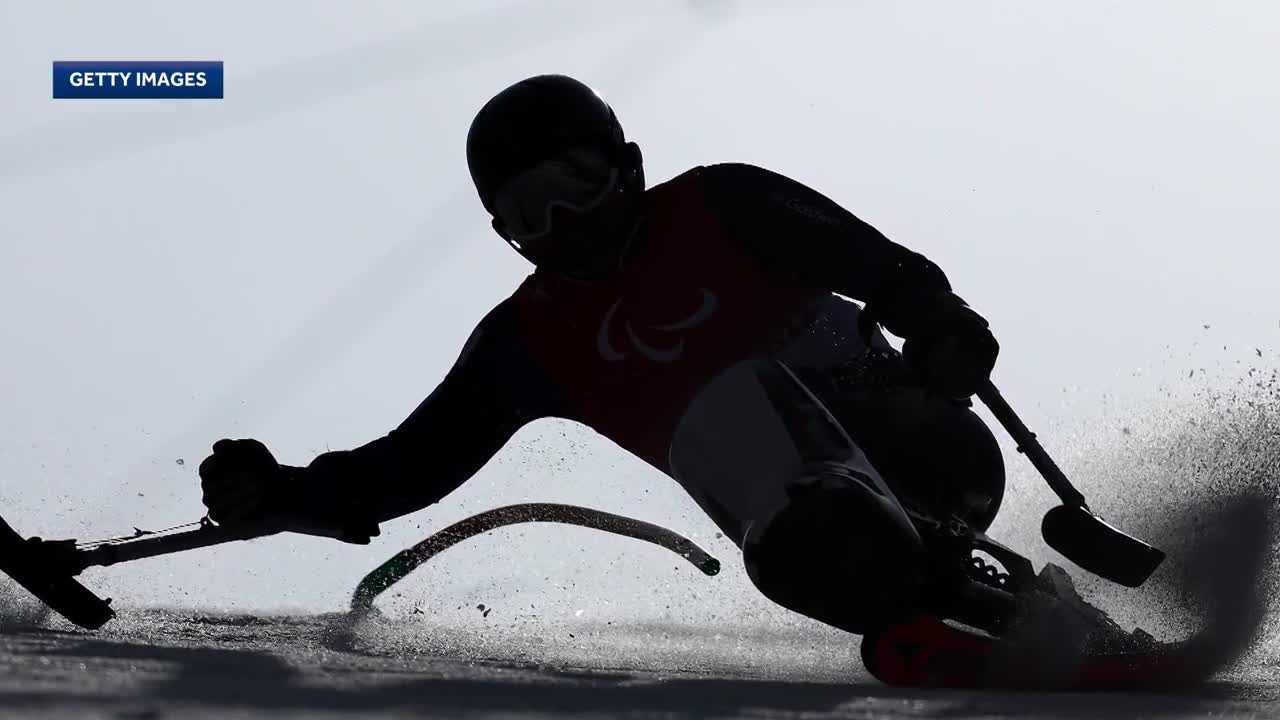
The Paralympics take place in Milan Cortina from March 6-15. They will include dozens of Paralympic events across alpine skiing, biathlon, cross-country skiing, curling, sled hockey, and snowboarding.
Brush uses a wheelchair following an accident in a college ski race 20 years ago. She still participates in a range of adaptive sports.
The Kelly Brush Foundation aims to remove barriers to costly adaptive sports equipment like sit-skis or hand-cycle bikes for people across the country. The foundation helped multiple athletes who are competing at the Paralympics to purchase adaptive sports equipment or attend training opportunities, Brush said.
Anna Soens of Oregon said she received a KBF grant 10 years ago to purchase an adaptive bike. Prior to her spinal cord injury, Soens said she enjoyed a range of outdoor activities. She said she initially worried her level of participation in those sports would change after her injury. However, Soens said the KBF encouraged her to stay active and engaged in community activities.
Soens will represent Team USA in alpine skiing at the Paralympics.
“Kelly and everybody at KBF have probably believed more in me with this whole thing than I’ve believed in myself, and I’m so grateful for that,” Soens said. “You need people rooting for you in your corner and the Kelly Brush Foundation is that for thousands of people. We are all grateful.”
Another adaptive athlete, Monica Quimby of Florida, received KBF grants in the past. She is currently part of a project that has a goal of fielding an all-women’s sled hockey team for the 2030 Paralympics. That would represent an expansion in the sport.
Quimby said the work of the foundation will be important to help attract future adaptive athletes to the sport.
“That’s how we’re able to fuel that pipeline,” Quimby said. “When you’re going through something like Kelly Brush Foundation, they’re such an incredible resource. They’re going to be able to connect you to your local area and they’re going to be able to get you into the sports that you’re interested in.”
Brush said she hopes people seek out coverage of the Paralympics in March.
“One of the things that’s most important about this is to not feel bad for somebody who has a disability,” Brush said. “There are different struggles, yes, there’s more that we have to overcome. But the beauty of the Paralympics is celebrating everything that they’ve been able to accomplish and the incredible athleticism that we’re witnessing.”
Watch the video at the top of this video for the full conversation with Kelly Brush that aired on Feb. 22.