
Read the full article on KETV 7

The Department of Homeland Security is warning of a heightened threat environment in the United States amid ongoing strikes in Iran. It’s adding new stakes to the partial government shutdown, which has disrupted DHS funding for more than two weeks as Congress clashes over new restrictions on immigration enforcement.Secretary of Homeland Security Kristi Noem was pressed about ICE’s tactics during a hearing on Capitol Hill on Tuesday, but she was also asked about the threat of terrorism in the U.S. “Every day there’s a real danger and risk of it, but it is elevated at this time with the conflicts that we see going on overseas,” Noem said. The FBI is currently investigating Sunday’s mass shooting in Austin, Texas, as a possible act of terrorism. The suspect, who was reportedly wearing clothing with an Iranian flag design and the words “Property of Allah,” opened fire in a crowded bar after the U.S. and Israel launched a massive military operation against Iran. As those strikes continue, experts say potential attacks on U.S. soil are more likely to come from radicalized individuals.”I think the likelihood of an organized, large-scale attack on the United States is low at the moment,” said Ahmad Sharawi, a senior research analyst with the Foundation for Defense of Democracies. “If we were to see any sort of retaliatory attacks, it would probably be from a lone wolf who might be seeing the news and is ideologically sympathetic to the Islamic Republic.”Cyberattacks are another potential risk. In the past, Iran has targeted critical infrastructure in the U.S., like water plants and hospitals.Asked if the funding lapse could limit the federal government’s ability to respond to potential threats, including cyberattacks, DHS referred to a social media post from Secretary Noem. “I am in direct coordination with our federal intelligence and law enforcement partners as we continue to closely monitor and thwart any potential threats to the homeland,” Noem wrote. The Cybersecurity and Infrastructure Security Agency (CISA) is among the agencies under the DHS umbrella that are currently facing funding disruptions. TSA, FEMA, and the Coast Guard are also impacted. CISA told the House Appropriations Committee before the funding lapse that a shutdown would “delay deploying cybersecurity services and capabilities to federal agencies, leaving significant gaps in security programs.””CISA’s capacity to provide timely and actionable guidance to help partners defend their networks would be degraded. Under the current DHS Lapse Plan, CISA can only sustain essential functions that are necessary to ensure the safety of human life or protection of property,” CISA’s Acting Director Madhu Gottumukkala said in written testimony. Republicans have called on Democrats to restore DHS funding immediately, given the heightened threat environment. “At a moment when America faces increasing threats at home and abroad, Democrats are voting to keep Americans dangerously exposed to domestic terrorism — all so they can make a crazy political point in defense of criminal illegal aliens,” House Speaker Mike Johnson wrote on social media. But Democrats, who are largely opposed to the president’s military operation in Iran, are continuing to demand a list of ICE reforms after federal officers fatally shot two American citizens during a surge in immigration enforcement in Minneapolis. “I’m not going to vote to fund ICE and let them detain, brutalize, shoot, or kill more American citizens just because Donald Trump started an unconstitutional war that no one asked for,” said Sen. Patty Murray, the top Democrat on the Senate Appropriations Committee. On Tuesday, Senate Minority Leader Chuck Schumer said Democrats are continuing to trade offers with the White House on those reforms, but they remain “far apart.”
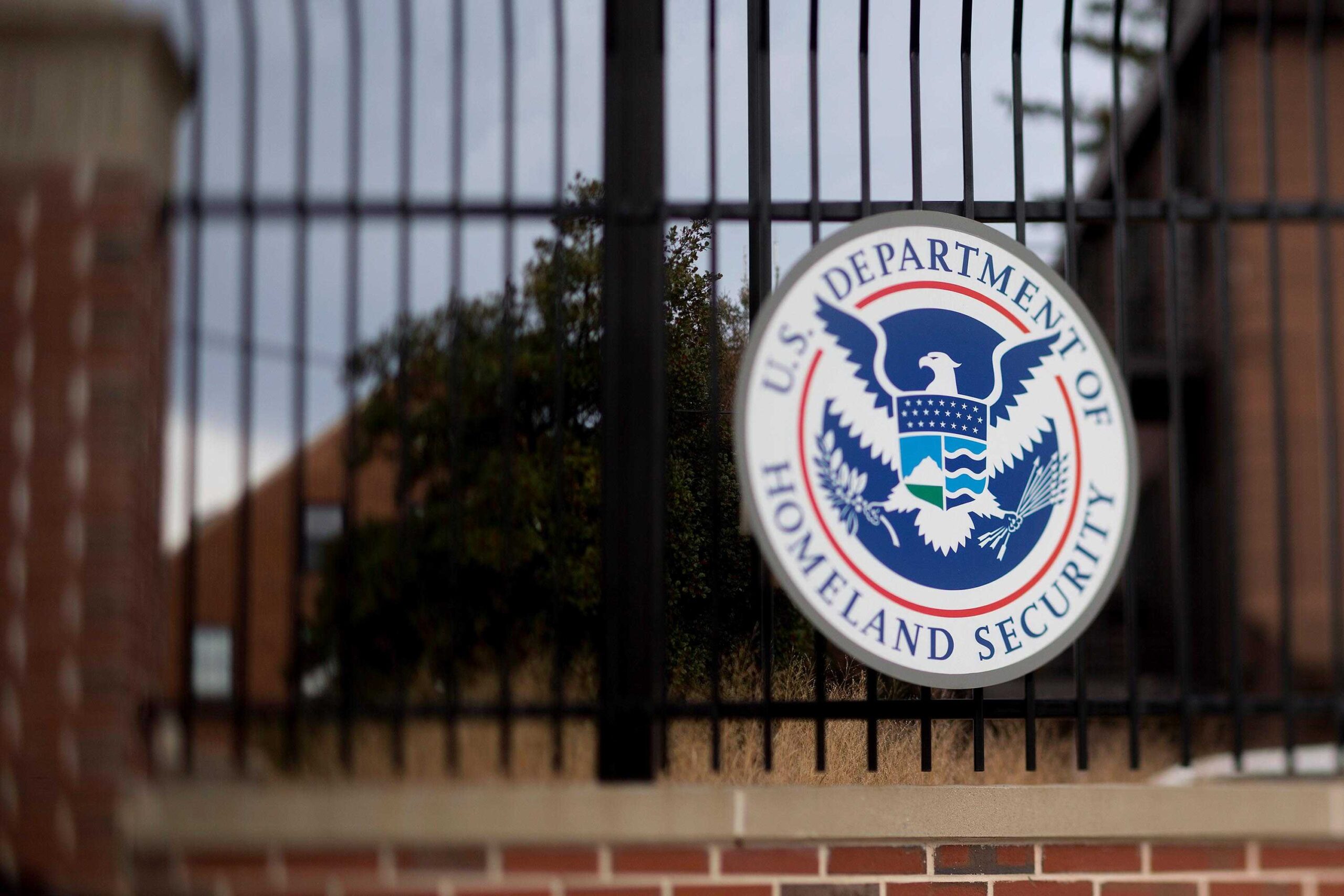
The Department of Homeland Security is warning of a heightened threat environment in the United States amid ongoing strikes in Iran.
It’s adding new stakes to the partial government shutdown, which has disrupted DHS funding for more than two weeks as Congress clashes over new restrictions on immigration enforcement.
Advertisement
Secretary of Homeland Security Kristi Noem was pressed about ICE’s tactics during a hearing on Capitol Hill on Tuesday, but she was also asked about the threat of terrorism in the U.S.
“Every day there’s a real danger and risk of it, but it is elevated at this time with the conflicts that we see going on overseas,” Noem said.
The FBI is currently investigating Sunday’s mass shooting in Austin, Texas, as a possible act of terrorism. The suspect, who was reportedly wearing clothing with an Iranian flag design and the words “Property of Allah,” opened fire in a crowded bar after the U.S. and Israel launched a massive military operation against Iran.
As those strikes continue, experts say potential attacks on U.S. soil are more likely to come from radicalized individuals.
“I think the likelihood of an organized, large-scale attack on the United States is low at the moment,” said Ahmad Sharawi, a senior research analyst with the Foundation for Defense of Democracies. “If we were to see any sort of retaliatory attacks, it would probably be from a lone wolf who might be seeing the news and is ideologically sympathetic to the Islamic Republic.”
Cyberattacks are another potential risk. In the past, Iran has targeted critical infrastructure in the U.S., like water plants and hospitals.
Asked if the funding lapse could limit the federal government’s ability to respond to potential threats, including cyberattacks, DHS referred to a social media post from Secretary Noem.
“I am in direct coordination with our federal intelligence and law enforcement partners as we continue to closely monitor and thwart any potential threats to the homeland,” Noem wrote.
The Cybersecurity and Infrastructure Security Agency (CISA) is among the agencies under the DHS umbrella that are currently facing funding disruptions. TSA, FEMA, and the Coast Guard are also impacted.
CISA told the House Appropriations Committee before the funding lapse that a shutdown would “delay deploying cybersecurity services and capabilities to federal agencies, leaving significant gaps in security programs.”
“CISA’s capacity to provide timely and actionable guidance to help partners defend their networks would be degraded. Under the current DHS Lapse Plan, CISA can only sustain essential functions that are necessary to ensure the safety of human life or protection of property,” CISA’s Acting Director Madhu Gottumukkala said in written testimony.
Republicans have called on Democrats to restore DHS funding immediately, given the heightened threat environment.
“At a moment when America faces increasing threats at home and abroad, Democrats are voting to keep Americans dangerously exposed to domestic terrorism — all so they can make a crazy political point in defense of criminal illegal aliens,” House Speaker Mike Johnson wrote on social media.
But Democrats, who are largely opposed to the president’s military operation in Iran, are continuing to demand a list of ICE reforms after federal officers fatally shot two American citizens during a surge in immigration enforcement in Minneapolis.
“I’m not going to vote to fund ICE and let them detain, brutalize, shoot, or kill more American citizens just because Donald Trump started an unconstitutional war that no one asked for,” said Sen. Patty Murray, the top Democrat on the Senate Appropriations Committee.
On Tuesday, Senate Minority Leader Chuck Schumer said Democrats are continuing to trade offers with the White House on those reforms, but they remain “far apart.”