
Read the full article on KETV 7

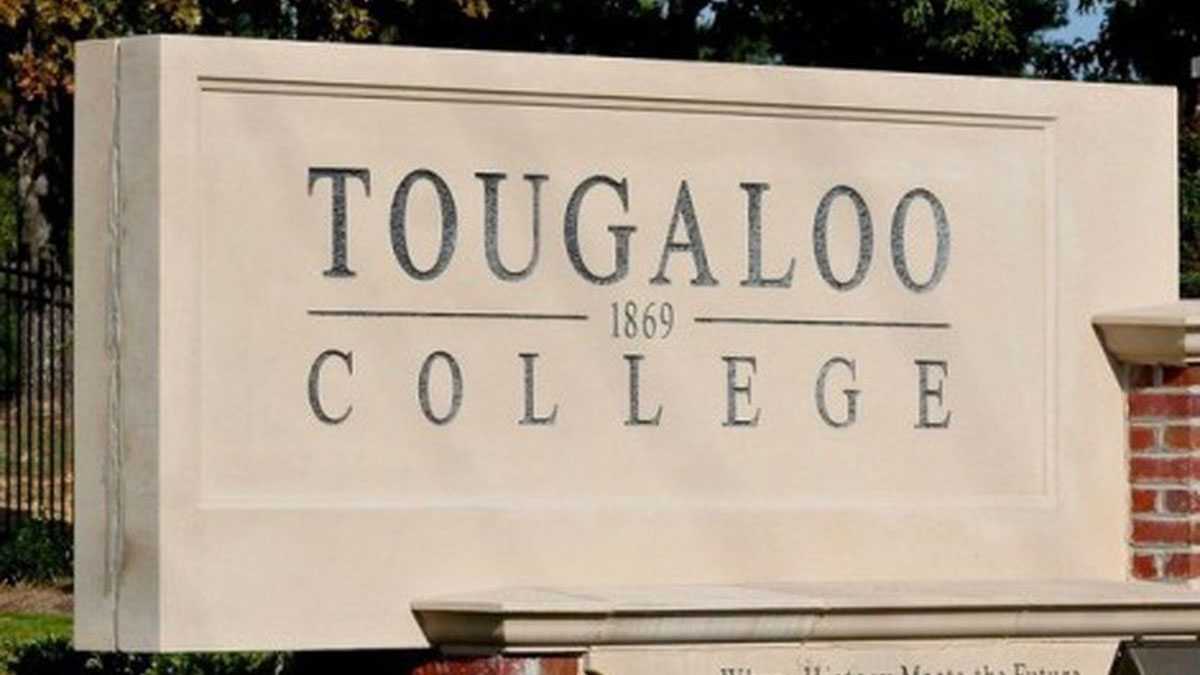
SCHOOL GRADUATE AND FORMER ABERDEEN POLICE OFFICER WHO WAS STATIONED AT FORT BRAGG AS A SOLDIER. NEW TONIGHT… TOUGALOO COLLEGE IS CELEBRATING 1 HUNDRED YEARS OF BLACK HISTORY MONTH. DOZENS GATHERED TONIGHT FOR A SECOND SCREENING OF THE DOCUMENTARY “JOHN BURRIS: GODFATHER OF POLICE LITIGATION.” BURRIS…WHO SPENT DECADES IN COURTROOMS FIGHTING FOR JUSTICE AND HOLDING LAW ENFORCEMENT ACCOUNTABLE, SPOKE AT THE BENNIE G. THOMPSON ACADEMIC AND CIVIL RIGHTS RESEARCH CENTER. HE TALKED ABOUT HIS WORK BRINGING JUSTICE TO VICTIMS OF POLICE MISCONDUCT AND BRUTALITY ACROSS THE COUNTRY. 16 WAPT’S ERIN PICKENS SERVED AS M C FOR THE EVENT. <I THINK IT’S IMPORTANT TO UNDERSTAND THE HISTORY OF THIS COUNTRY AND HOW IT DEALS WITH POLICE BRUTALITY AND HOW BLACK PEOPLE CAN DEAL WITH SITUATIONS LIKE THAT > SYDNEY ARMSTRONG -SENIOR THE EVENT WRAPPED UP
Advertisement
In the spring of 1961, Mississippi was still locked in the grip of Jim Crow. Public facilities — including libraries — were strictly segregated. For Black students seeking knowledge, the message was clear: some books, some spaces, some ideas were off‑limits.A group of students at Tougaloo College decided to challenge that.Video above: Tougaloo College marks 100 years of Black History Month On March 27, 1961, the Tougaloo Nine — Meredith Anding Jr., James Bradford, Alfred Cook, Geraldine Edwards, Janice Jackson, Joseph Jackson Jr., Evelyn Pierce, Albert Powell, and Ethel Sawyer — walked into the whites‑only Jackson Municipal Library on North State Street. They weren’t loud. They weren’t disruptive. They simply sat down, opened books, and began to read.Their strategy was deliberate and disciplined:Nonviolence, modeled after sit‑ins sweeping the SouthTraining sessions to prepare for harassment and arrestLegal coordination with Medgar Evers and Rev. Ed KingVisibility, choosing a public space where silence itself made a statementPolice arrived quickly. The students refused to leave. They were arrested and charged with breach of the peace. Their quiet defiance made national headlines and exposed the absurdity of a system that criminalized reading.The sit‑in sparked protests at Jackson State and energized young people across Mississippi. It also forced the city into a corner. For two years, Jackson officials resisted integration — but the pressure never let up.By 1963, Jackson’s public libraries quietly removed their whites‑only restrictions. No press conference. No announcement. Just a quiet policy change to avoid federal intervention and mounting legal challenges. The Tougaloo Nine had opened the door.Their legacy didn’t fade. In 2017, the Jackson/Hinds Library System installed a permanent historical marker at the site of the original library, honoring the students who risked arrest to claim the right to learn. Many of the Nine went on to careers in education, public service, and activism — continuing the work they began with a single act of courage.The Tougaloo Nine remind us that sometimes the most powerful act of resistance is simply refusing to move — and insisting on the right to read, learn, and be seen.
Advertisement
In the spring of 1961, Mississippi was still locked in the grip of Jim Crow. Public facilities — including libraries — were strictly segregated. For Black students seeking knowledge, the message was clear: some books, some spaces, some ideas were off‑limits.
A group of students at Tougaloo College decided to challenge that.
Video above: Tougaloo College marks 100 years of Black History Month
On March 27, 1961, the Tougaloo Nine — Meredith Anding Jr., James Bradford, Alfred Cook, Geraldine Edwards, Janice Jackson, Joseph Jackson Jr., Evelyn Pierce, Albert Powell, and Ethel Sawyer — walked into the whites‑only Jackson Municipal Library on North State Street. They weren’t loud. They weren’t disruptive. They simply sat down, opened books, and began to read.
Their strategy was deliberate and disciplined:
- Nonviolence, modeled after sit‑ins sweeping the South
- Training sessions to prepare for harassment and arrest
- Legal coordination with Medgar Evers and Rev. Ed King
- Visibility, choosing a public space where silence itself made a statement
Police arrived quickly. The students refused to leave. They were arrested and charged with breach of the peace. Their quiet defiance made national headlines and exposed the absurdity of a system that criminalized reading.
The sit‑in sparked protests at Jackson State and energized young people across Mississippi. It also forced the city into a corner. For two years, Jackson officials resisted integration — but the pressure never let up.
By 1963, Jackson’s public libraries quietly removed their whites‑only restrictions. No press conference. No announcement. Just a quiet policy change to avoid federal intervention and mounting legal challenges. The Tougaloo Nine had opened the door.
Their legacy didn’t fade. In 2017, the Jackson/Hinds Library System installed a permanent historical marker at the site of the original library, honoring the students who risked arrest to claim the right to learn. Many of the Nine went on to careers in education, public service, and activism — continuing the work they began with a single act of courage.
The Tougaloo Nine remind us that sometimes the most powerful act of resistance is simply refusing to move — and insisting on the right to read, learn, and be seen.