

Read the full article on KETV 7

stadium is 99 years old and has *** capacity of nearly 80,000 people. It is the largest stadium in all of Italy, therefore the perfect place to host the opening ceremony. It has *** really cool design feature spiral staircases that surround the exterior of the building, and as people are walking up and down, it gives off an optical illusion that the staircase itself is rotating. Yes, it should be amazing. England, lots to see. It’s owned by two of the top European soccer clubs, AC Milan and Internazion. Now these two clubs actually bought this building last November. Their plan was to demolish it at some point and build something new and modern. Sansero Stadium did host World Cup matches in 1934 and 1990, but it is going out big, hosting an Olympic opening ceremony at the Milan Cortina Olympics. I’m Deirdre Fitzpatrick.
Advertisement
Athletes on the podium at the Winter Olympics in Italy this month will be awarded the most expensive medals in the history of the Games, thanks to soaring precious metals prices.More than 700 gold, silver and bronze medals will be presented to the world’s top winter sports athletes taking part in events from skiing and ice hockey to figure skating and curling.And while the sentimental value is immeasurable, in pure cash terms, those medals will be worth more than ever before. Since the Olympic Games in Paris in July 2024, the spot prices of gold and silver have skyrocketed some 107% and 200%, respectively, according to FactSet data.Those eye-popping gains mean that, based on the metals prices alone, gold medals are now worth around $2,300, more than double their value at the Paris Olympics. Second-place silver medals are worth almost $1,400, or three times their value two years ago.Demand from retail investors has partly driven silver’s surge. Gold prices climbed after major central banks added to their reserves and investors rushed to buy the traditional safe-haven asset amid global political turmoil.Worth more than their weight in goldWinners will receive medals crafted from recycled metal by the Italian State Mint and Polygraphic Institute. But not all that glitters is, in fact, gold.In a gold medal, only six grams out of a total of 506 grams (16 troy ounces) is pure gold. The rest is made from silver. Bronze medals are made from copper and, at a weight of 420 grams (15 ounces), are worth only about $5.60 a piece, according to data published by the event organizers. (A troy ounce is around 10% heavier than a regular ounce.)Olympic gold medals have not been made from pure gold since the 1912 Olympic Games in Stockholm, Sweden, according to London-based auction house Baldwin’s. The value of those medals, which weighed just 26 grams, would have been less than $20 based on the gold price at the time. Adjusted for U.S. Consumer Price Inflation, the figure is closer to $530 in today’s terms.However, as collectors’ items, Olympic medals can sell for far more than their monetary value, said Dominic Chorney, head of ancient coins at Baldwin’s.In 2015, Baldwin’s sold a gold medal from the 1912 Stockholm Olympics for £19,000 ($26,000), he told CNN.The following year, the auctioneers sold a bronze participants medal from the 1920 Antwerp Olympics for £640 ($875).That medal had “no intrinsic value,” but was coveted simply because it was associated with the world’s most famous sporting event, added Chorney.Most Olympic medals will never go on sale, however. “Relatively few Olympians sell their medals, because they cherish them,” he said.Notwithstanding wild swings in recent days, gold and silver prices could push the financial value of Olympic medals higher still. Demand for the precious metals is likely to remain strong given ongoing geopolitical uncertainty and growing government debt levels, said Ole Hansen, head of commodity strategy at Saxo Bank.“I would imagine that the gold and silver medals for the next Summer Olympics (in 2028) will be even more expensive than they are now for the Winter Olympics,” he said.
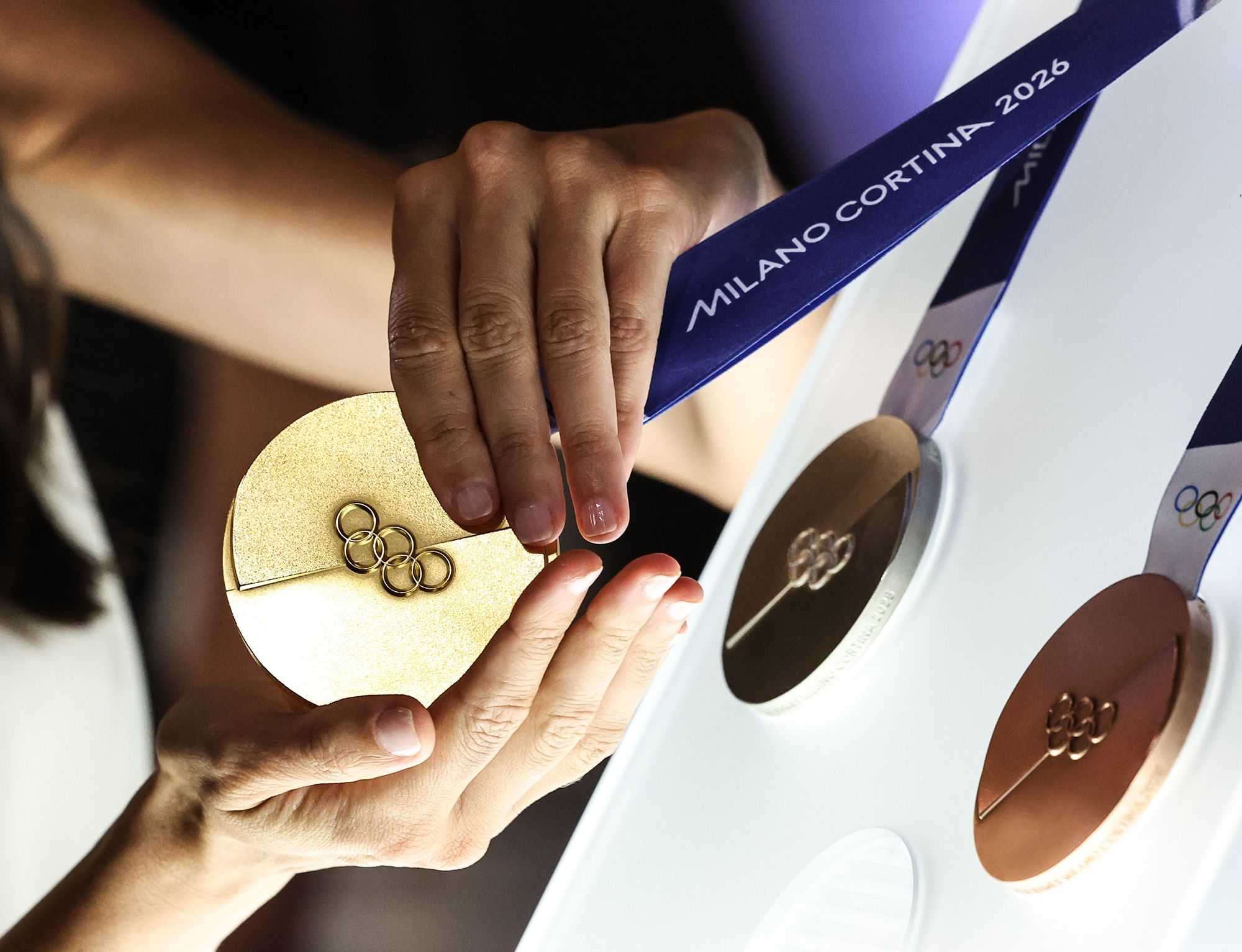
Athletes on the podium at the Winter Olympics in Italy this month will be awarded the most expensive medals in the history of the Games, thanks to soaring precious metals prices.
More than 700 gold, silver and bronze medals will be presented to the world’s top winter sports athletes taking part in events from skiing and ice hockey to figure skating and curling.
Advertisement
And while the sentimental value is immeasurable, in pure cash terms, those medals will be worth more than ever before. Since the Olympic Games in Paris in July 2024, the spot prices of gold and silver have skyrocketed some 107% and 200%, respectively, according to FactSet data.
Those eye-popping gains mean that, based on the metals prices alone, gold medals are now worth around $2,300, more than double their value at the Paris Olympics. Second-place silver medals are worth almost $1,400, or three times their value two years ago.
Demand from retail investors has partly driven silver’s surge. Gold prices climbed after major central banks added to their reserves and investors rushed to buy the traditional safe-haven asset amid global political turmoil.
Worth more than their weight in gold
Winners will receive medals crafted from recycled metal by the Italian State Mint and Polygraphic Institute. But not all that glitters is, in fact, gold.
In a gold medal, only six grams out of a total of 506 grams (16 troy ounces) is pure gold. The rest is made from silver. Bronze medals are made from copper and, at a weight of 420 grams (15 ounces), are worth only about $5.60 a piece, according to data published by the event organizers. (A troy ounce is around 10% heavier than a regular ounce.)
Olympic gold medals have not been made from pure gold since the 1912 Olympic Games in Stockholm, Sweden, according to London-based auction house Baldwin’s. The value of those medals, which weighed just 26 grams, would have been less than $20 based on the gold price at the time. Adjusted for U.S. Consumer Price Inflation, the figure is closer to $530 in today’s terms.
However, as collectors’ items, Olympic medals can sell for far more than their monetary value, said Dominic Chorney, head of ancient coins at Baldwin’s.
In 2015, Baldwin’s sold a gold medal from the 1912 Stockholm Olympics for £19,000 ($26,000), he told CNN.
The following year, the auctioneers sold a bronze participants medal from the 1920 Antwerp Olympics for £640 ($875).
That medal had “no intrinsic value,” but was coveted simply because it was associated with the world’s most famous sporting event, added Chorney.
Most Olympic medals will never go on sale, however. “Relatively few Olympians sell their medals, because they cherish them,” he said.
Notwithstanding wild swings in recent days, gold and silver prices could push the financial value of Olympic medals higher still. Demand for the precious metals is likely to remain strong given ongoing geopolitical uncertainty and growing government debt levels, said Ole Hansen, head of commodity strategy at Saxo Bank.
“I would imagine that the gold and silver medals for the next Summer Olympics (in 2028) will be even more expensive than they are now for the Winter Olympics,” he said.