Read the full article on KETV 7
From the food in your fridge to the appliances in your home to the car in your driveway, recalls touch everyday life, but the warnings don’t always reach us in time. It takes time for the investigators to kind of put the pieces of the puzzle together. Teresa Murray is the consumer watchdog for the US Public Interest Research Group. She walked us through the timeline of *** typical food recall. It can take several weeks between the time that somebody gets sick and goes. To *** medical provider and then the time that the CDC identifies the source and there’s enough information to say, Aha, OK, it’s that particular brand of that particular product. For things like vehicles and consumer products, Murray says it can take months, even years, as regulators and companies negotiate over fixes. The consequences of those delays can be deadly. Last week, the US government released *** warning about *** popular Fisher Price baby. In 2019, Fisher Price recalled its rock and place sleeper after more than 30 infant deaths since its 2009 release. *** House Oversight report found the company and the Consumer Product Safety Commission knew of fatalities and injuries as early as 2012. Since the recall, the CPSC says 70 more deaths have been reported, including eight after the announcement prompting *** re-announcement in 2023. Our recall notifications. I mean this country absolutely stinks, and unfortunately there’s not one single policy solution that would just fix everything. I mean, we all need to do better. So what can you do before you buy anything? Check safeerproducts.gov. That’s the CPSC site where you can file and read complaints. You can search by brand and search by kind of by product. You can say, gosh, there have been like dozens of complaints, and that might give you *** clue. Maybe you should try and look for *** different brand. Register big ticket items, especially baby gear like car seats and strollers, so companies can contact you if *** recall happens. For vehicles, the National Highway Traffic Safety Administration has *** tool on its website that lets you search for recalls associated with your vehicle identification number, otherwise known as VIN. Finally, sign up for recall alerts by visiting this site, recalls.gov. And Murray recommends making recall checks part of your weekly routine. Reporting in Washington, I’m Annie Lou.
Advertisement
Trader Joe’s expands frozen foods recall over possible glass contamination

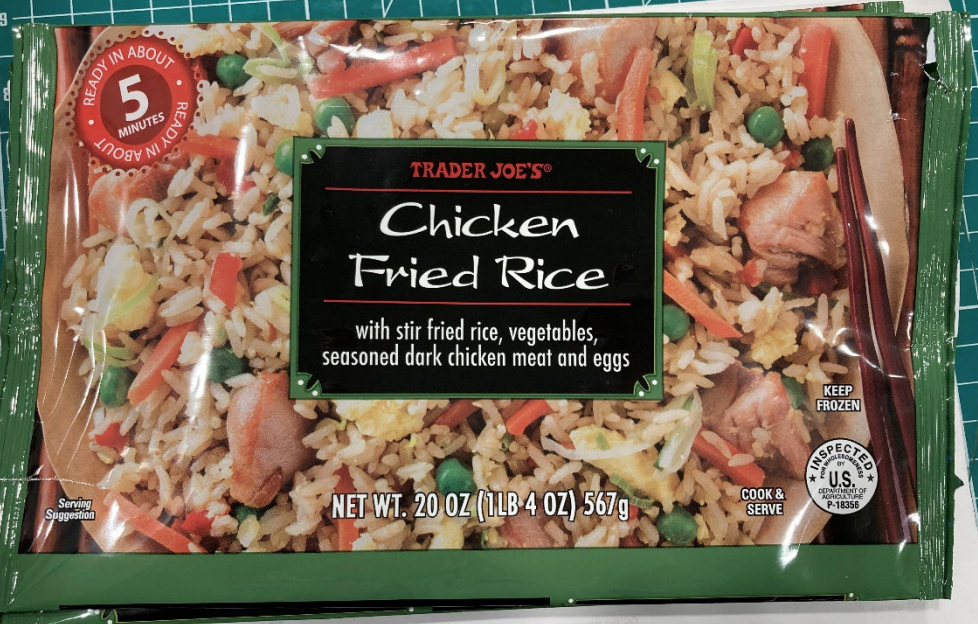
Attention Trader Joe’s fans: It’s time to re-check your freezer due to a critical recall update.On Feb. 19, Trader Joe’s announced a recall for several lots of Ajinomoto Foods North America, Inc.’s frozen chicken fried rice products, which it sells in its stores. At the time, the U.S. Department of Agriculture’s Food Safety Inspection Service (FSIS) issued it as a Class I recall. But now, Trader Joe’s is updating that recall to add more products. Here’s what you need to know.What, exactly, is being added to the recall? As the original FSIS notice explained, Ajinomoto Foods North America, Inc. recalled approximately 3,370,530 pounds of frozen, not-ready-to-eat chicken fried rice products. The recalled items were produced between September 8, 2025, and November 17, 2025. The original recall included the following:Ajinomoto Yakitori Chicken with Japanese-Style Fried Rice1.53-kg cardboard packages, which contain six bagsBest before dates: September 9, 2026, through November 12, 2026 (written on the packaging as “26 SE 09 through 26 NO 12”).Trader Joe’s Chicken Fried Rice with stir fried rice, vegetables, seasoned dark chicken meat and eggs20-oz plastic bag packagesBest before dates: Sept. 8, 2026, through Nov. 17, 2026 (written on the packaging as “9/8/2026 through 11/17/2026”)The products also bear the establishment number P-18356 inside the USDA mark of inspection.However, on Tuesday, Trader Joe’s sent a notice to its customers explaining that it’s adding several more frozen food products to this recall, including the following:Chicken Fried Rice: With best by dates between March 4, 2026, and February 10, 2027 Vegetable Fried Rice: With best by dates between February 28, 2026, and November 19, 2026Japanese Style Fried Rice: With best by dates between February 28, 2026, and November 14, 2026 02/28/2026Chicken Shu Mai: With best by dates between March 13, 2026, and October 23, 2026Here is what each package looks like. Why are all of these products being recalled?FSIS says the products may be contaminated with foreign material, specifically glass, and that includes the additional products Trader Joe’s just shared. The agency notes the problem was discovered after the company reported receiving four consumer complaints about glass found in the product. There have been no confirmed reports of injury in connection with the recalled products at this time.Where were the recalled frozen meals shipped?The Trader Joe’s items were shipped to Trader Joe’s retail locations nationwide. American consumers have a little less to worry about with the Ajinomoto item, as it was exported only to Canada. However, if you know anyone there, then maybe give them a call to alert them, too.What does a “Class I” recall mean? FSIS and the Food and Drug Administration (FDA) consider a Class I recall to be the most serious category. It’s defined as “a situation in which there is a reasonable probability that the use of or exposure to a violative product will cause serious adverse health consequences or death.”What should I do if I have any of these products? FSIS is concerned that some of the affected products may be in retailers’ or consumers’ freezers. If you bought any of the recalled items, do not consume them. Instead, throw it away or return it to the store where you purchased it. Questions? You can contact Ajinomoto Foods directly at (855) 742-5011 or email at customercare@ajinomotofoods.com. And, anyone with questions for Trader Joe’s may contact its customer relations at (626) 599-3817 (Monday through Friday, 6 a.m. to 5 p.m. Pacific Time).
Attention Trader Joe’s fans: It’s time to re-check your freezer due to a critical recall update.
On Feb. 19, Trader Joe’s announced a recall for several lots of Ajinomoto Foods North America, Inc.’s frozen chicken fried rice products, which it sells in its stores. At the time, the U.S. Department of Agriculture’s Food Safety Inspection Service (FSIS) issued it as a Class I recall. But now, Trader Joe’s is updating that recall to add more products. Here’s what you need to know.
Advertisement
What, exactly, is being added to the recall?
As the original FSIS notice explained, Ajinomoto Foods North America, Inc. recalled approximately 3,370,530 pounds of frozen, not-ready-to-eat chicken fried rice products. The recalled items were produced between September 8, 2025, and November 17, 2025. The original recall included the following:
- Ajinomoto Yakitori Chicken with Japanese-Style Fried Rice
- 1.53-kg cardboard packages, which contain six bags
- Best before dates: September 9, 2026, through November 12, 2026 (written on the packaging as “26 SE 09 through 26 NO 12”).
- Trader Joe’s Chicken Fried Rice with stir fried rice, vegetables, seasoned dark chicken meat and eggs
- 20-oz plastic bag packages
- Best before dates: Sept. 8, 2026, through Nov. 17, 2026 (written on the packaging as “9/8/2026 through 11/17/2026”)
The products also bear the establishment number P-18356 inside the USDA mark of inspection.

However, on Tuesday, Trader Joe’s sent a notice to its customers explaining that it’s adding several more frozen food products to this recall, including the following:

Why are all of these products being recalled?
FSIS says the products may be contaminated with foreign material, specifically glass, and that includes the additional products Trader Joe’s just shared. The agency notes the problem was discovered after the company reported receiving four consumer complaints about glass found in the product. There have been no confirmed reports of injury in connection with the recalled products at this time.
Where were the recalled frozen meals shipped?
The Trader Joe’s items were shipped to Trader Joe’s retail locations nationwide. American consumers have a little less to worry about with the Ajinomoto item, as it was exported only to Canada. However, if you know anyone there, then maybe give them a call to alert them, too.
What does a “Class I” recall mean?
FSIS and the Food and Drug Administration (FDA) consider a Class I recall to be the most serious category. It’s defined as “a situation in which there is a reasonable probability that the use of or exposure to a violative product will cause serious adverse health consequences or death.”
What should I do if I have any of these products?
FSIS is concerned that some of the affected products may be in retailers’ or consumers’ freezers. If you bought any of the recalled items, do not consume them. Instead, throw it away or return it to the store where you purchased it. Questions? You can contact Ajinomoto Foods directly at (855) 742-5011 or email at customercare@ajinomotofoods.com. And, anyone with questions for Trader Joe’s may contact its customer relations at (626) 599-3817 (Monday through Friday, 6 a.m. to 5 p.m. Pacific Time).