

Read the full article on KETV 7

President Donald Trump says negotiations with Iran will continue next week following indirect talks on Friday. Trump told reporters that the talks were “very good,” but no major breakthroughs were announced on the fate of Tehran’s nuclear program in the immediate aftermath. Asked how long he is willing to wait for a deal, Trump said. “We have plenty of time. If you remember Venezuela, we waited around for a while, and we’re in no rush.” Trump was referencing the massive American military presence in the Caribbean leading up to the capture of Venezuela’s leader, Nicholas Maduro, in an overnight raid. The Pentagon is now executing a similar buildup off the coast of Iran. That was the backdrop for Friday’s indirect talks in Oman, spearheaded by U.S. Mideast special envoy Steve Witkoff and Jared Kushner, Trump’s son-in-law. The talks also included U.S. Navy Adm. Brad Cooper, America’s top military commander in the Middle East, for the first time. Trump has threatened to use force if a deal isn’t reached to dismantle Iran’s nuclear program. He has warned that potential military action would be worse than the strikes that he ordered last year on several nuclear sites.”They want to make a deal, as they should want to make a deal. They know the consequences if they don’t. If they don’t make a deal, the consequences are very steep,” Trump said. In recent weeks, Trump has also threatened to respond to Iran’s deadly crackdown on anti-government protesters. The Trump administration has also turned up the economic pressure. On Friday, the U.S. announced new sanctions on Iran’s energy sector. Trump also signed an executive order that paves the way for potential 25% tariffs on goods from countries that buy Iranian oil. Iranian Foreign Minister Abbas Araghchi said Friday’s talks were a good start. He also noted that mistrust will make negotiations difficult. Iran’s Supreme Leader, Ayatollah Ali Khamenei, warned last weekend that a U.S. attack would spark a regional war. Iran has insisted on limiting the talks to its nuclear program, but the Trump administration has signaled that it’s seeking broader concessions. U.S. officials have said they want Iran to cut off support for proxy groups in the region and limit its ballistic missile program, echoing demands from Israel. Uranium enrichment has also been a sticking point in past talks.
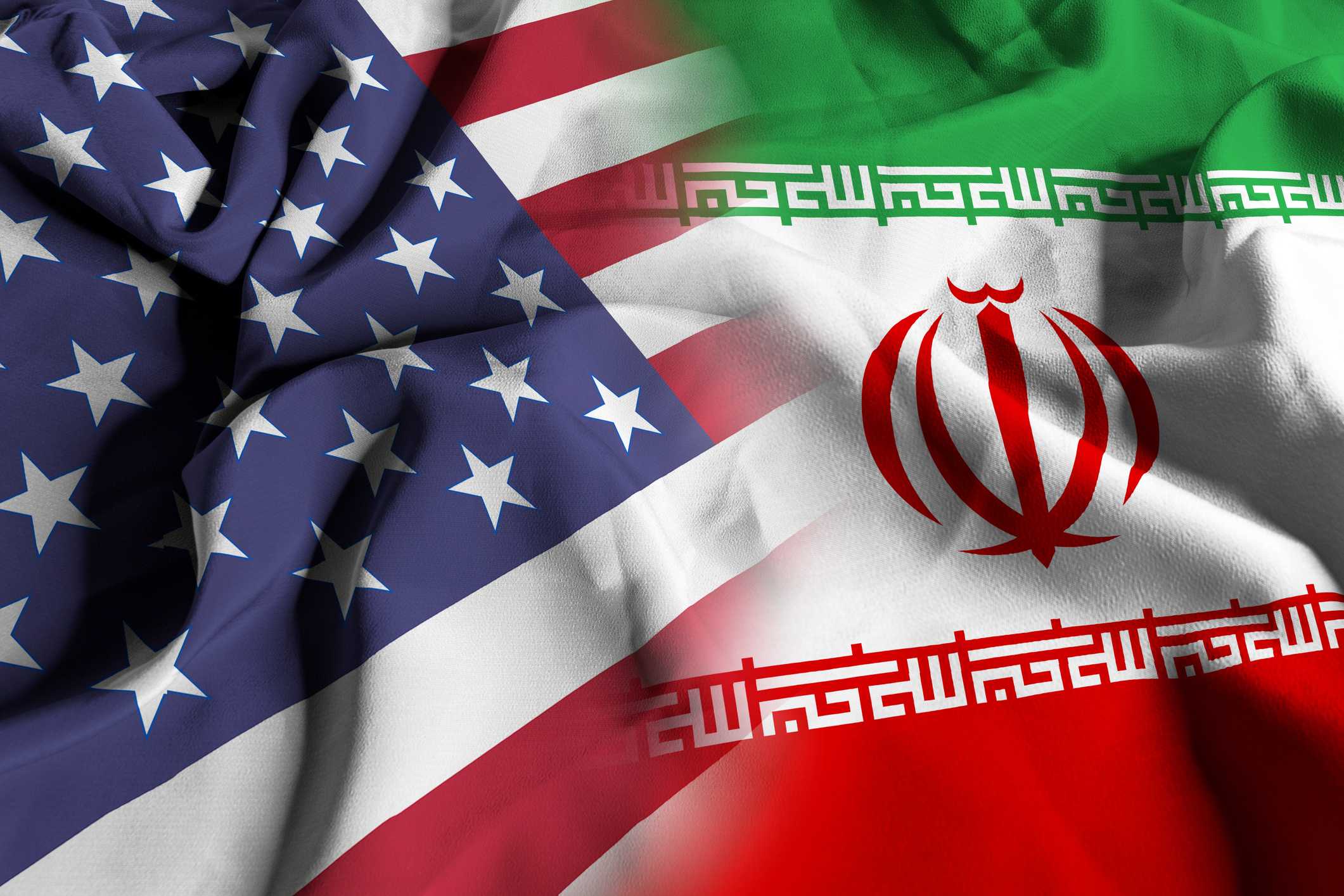
President Donald Trump says negotiations with Iran will continue next week following indirect talks on Friday.
Trump told reporters that the talks were “very good,” but no major breakthroughs were announced on the fate of Tehran’s nuclear program in the immediate aftermath.
Advertisement
Asked how long he is willing to wait for a deal, Trump said. “We have plenty of time. If you remember Venezuela, we waited around for a while, and we’re in no rush.”
Trump was referencing the massive American military presence in the Caribbean leading up to the capture of Venezuela’s leader, Nicholas Maduro, in an overnight raid. The Pentagon is now executing a similar buildup off the coast of Iran.
That was the backdrop for Friday’s indirect talks in Oman, spearheaded by U.S. Mideast special envoy Steve Witkoff and Jared Kushner, Trump’s son-in-law. The talks also included U.S. Navy Adm. Brad Cooper, America’s top military commander in the Middle East, for the first time.
Trump has threatened to use force if a deal isn’t reached to dismantle Iran’s nuclear program. He has warned that potential military action would be worse than the strikes that he ordered last year on several nuclear sites.
“They want to make a deal, as they should want to make a deal. They know the consequences if they don’t. If they don’t make a deal, the consequences are very steep,” Trump said.
In recent weeks, Trump has also threatened to respond to Iran’s deadly crackdown on anti-government protesters.
The Trump administration has also turned up the economic pressure. On Friday, the U.S. announced new sanctions on Iran’s energy sector. Trump also signed an executive order that paves the way for potential 25% tariffs on goods from countries that buy Iranian oil.
Iranian Foreign Minister Abbas Araghchi said Friday’s talks were a good start. He also noted that mistrust will make negotiations difficult. Iran’s Supreme Leader, Ayatollah Ali Khamenei, warned last weekend that a U.S. attack would spark a regional war.
Iran has insisted on limiting the talks to its nuclear program, but the Trump administration has signaled that it’s seeking broader concessions. U.S. officials have said they want Iran to cut off support for proxy groups in the region and limit its ballistic missile program, echoing demands from Israel. Uranium enrichment has also been a sticking point in past talks.