

Read the full article on KETV 7
When *** child is apprehended by ICE or DHS, several things can happen depending on their legal status and whether an adult can take care of them. Let’s get the facts on this process. If the child has *** parent or legal guardian available, the child would usually stay with that adult under the supervision of Immigration and Customs Enforcement or the Department of Homeland Security. However, if *** child is unaccompanied, meaning they’re under 18, do not have lawful immigration status, and do not have *** legal parent or guardian in the US, they’re transferred to the Office of Refugee Resettlement, which falls under the US Department of Health and Human Services. At that point, according to ORR’s Unaccompanied Alien Children Program Policy guide, the process of trying to find *** sponsor for *** child begins. Sponsors are supposed to be vetted before *** child is transferred to their custody and can be *** parent, close relative, or trusted adult who can take care of the child while immigration proceedings move forward. If ORR cannot find *** sponsor, the child will remain in federal care in some instances for months. They can be held in shelters, group homes, or foster-style placement. After *** child is released from OR. Our custody. It’s the sponsor’s responsibility to make sure that child shows up to immigration court. The National Investigative unit analyzed data from the Office of Refugee Resettlement and found in 2025 24,259 unaccompanied alien children were released to *** sponsor, and currently just over 22,400 children are in HHS care. Helping you get the facts, I’m John Cardinelli.
Advertisement
What happens when immigrant children are taken into federal custody?

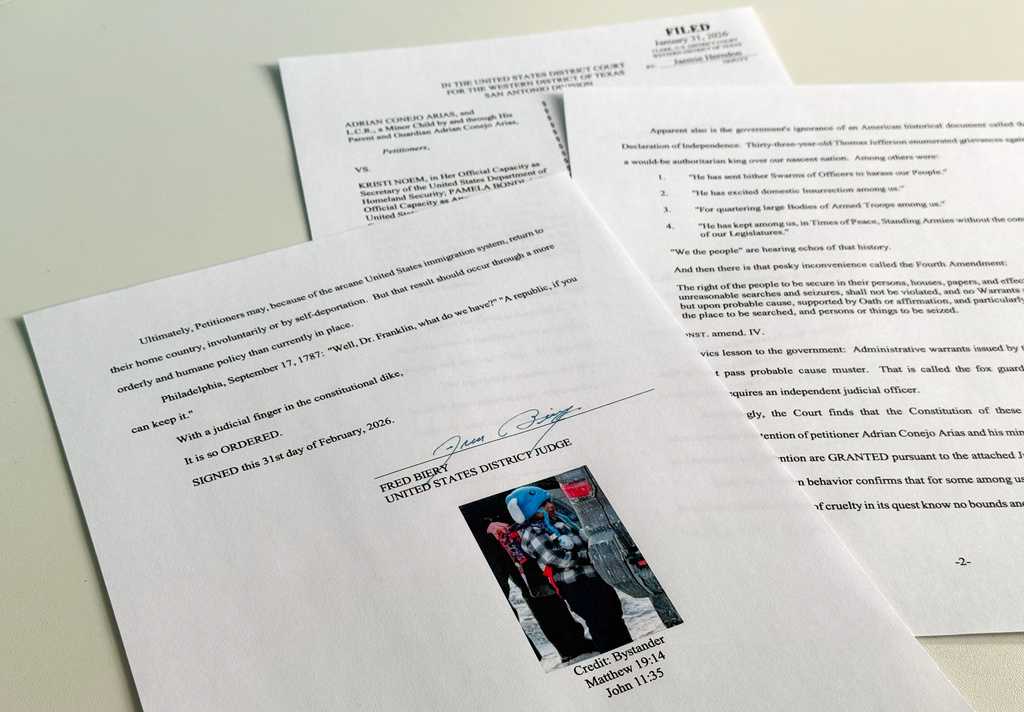
On Jan. 20, an immigration enforcement case in the Minneapolis area drew national attention after a 5‑year‑old boy, Liam Conejo Ramos, and his father were taken into federal custody by U.S. Immigration and Customs Enforcement agents. But on Feb. 1, a federal judge ordered their release, and Liam and his father were able to return home to Minnesota and reunite with Liam’s mother. However, Liam’s story isn’t unique. Every year, thousands of immigrant children are encountered by immigration authorities and enter a federal process that determines who cares for them and how long they remain in custody.What happens when a child is apprehended?When a child is encountered by ICE or the Department of Homeland Security, several outcomes are possible depending on the child’s legal status and whether a responsible adult is available. If a parent or legal guardian is present and able to care for the child, the child usually stays with that adult under the supervision of ICE or DHS. A child is considered “unaccompanied” if they are under 18, lack lawful immigration status and have no legal parent or guardian in the U.S. Those children are transferred to the Office of Refugee Resettlement (ORR) within the Department of Health and Human Services (HHS) for care and placement.Finding a sponsorOnce in ORR custody, federal policy requires ORR to begin the process of finding a sponsor — such as a parent, close relative, or trusted adult — who can care for the child while immigration proceedings move forward. Prospective sponsors are vetted through identity verification and background checks before a child can be released. If ORR cannot find a sponsor, the child may remain in federal care for months, typically placed in shelters, group homes or foster‑style arrangements. After release, sponsors are responsible for ensuring the child appears at immigration court hearings.How many children are affected?The National Investigative Unit analyzed data from ORR and found that in 2025, 24,259 unaccompanied alien children were released to a sponsor, and currently, just over 24-hundred children are in HHS care.
On Jan. 20, an immigration enforcement case in the Minneapolis area drew national attention after a 5‑year‑old boy, Liam Conejo Ramos, and his father were taken into federal custody by U.S. Immigration and Customs Enforcement agents.
But on Feb. 1, a federal judge ordered their release, and Liam and his father were able to return home to Minnesota and reunite with Liam’s mother. However, Liam’s story isn’t unique. Every year, thousands of immigrant children are encountered by immigration authorities and enter a federal process that determines who cares for them and how long they remain in custody.
Advertisement
What happens when a child is apprehended?
When a child is encountered by ICE or the Department of Homeland Security, several outcomes are possible depending on the child’s legal status and whether a responsible adult is available.
If a parent or legal guardian is present and able to care for the child, the child usually stays with that adult under the supervision of ICE or DHS. A child is considered “unaccompanied” if they are under 18, lack lawful immigration status and have no legal parent or guardian in the U.S. Those children are transferred to the Office of Refugee Resettlement (ORR) within the Department of Health and Human Services (HHS) for care and placement.
Finding a sponsor
Once in ORR custody, federal policy requires ORR to begin the process of finding a sponsor — such as a parent, close relative, or trusted adult — who can care for the child while immigration proceedings move forward. Prospective sponsors are vetted through identity verification and background checks before a child can be released. If ORR cannot find a sponsor, the child may remain in federal care for months, typically placed in shelters, group homes or foster‑style arrangements. After release, sponsors are responsible for ensuring the child appears at immigration court hearings.
How many children are affected?
The National Investigative Unit analyzed data from ORR and found that in 2025, 24,259 unaccompanied alien children were released to a sponsor, and currently, just over 24-hundred children are in HHS care.