

Read the full article on KETV 7
Trade lawyers predict when the smoke clears, importers are likely to get their money back, but it will be *** bumpy road ahead. TD Securities, *** Canadian multinational investment bank, estimates refunds could take 12 to 18 months, but the bad news for consumers don’t expect to be compensated for the higher prices you paid when companies passed along the cost of the tariffs. That’s most likely to be issued to companies. US customs agency collected more than $130 billion of the now defunct tariffs. Treasury Secretary Scott Besson says issuing refunds is not going to be up to the Trump administration because the Supreme Court did not address that in the decision. The Supreme Court remanded it down to *** lower court, and you know we will follow what they say, but that could be. Weeks or months when we hear them, US Customs has *** process for refunding duties when importers show there’s an error. However, they’ve never had to deal with thousands of importers and billions of dollars at once. Over the weekend, President Trump responded to the high court’s decision announcing he is increasing the global tariff from 10 to 15%, but he will need Congress’s approval to make that permanent. In Washington, I’m Rachel Hirsheimer.
Advertisement
Will you get a refund after Supreme Court strikes down President Trump’s boldest tariffs?
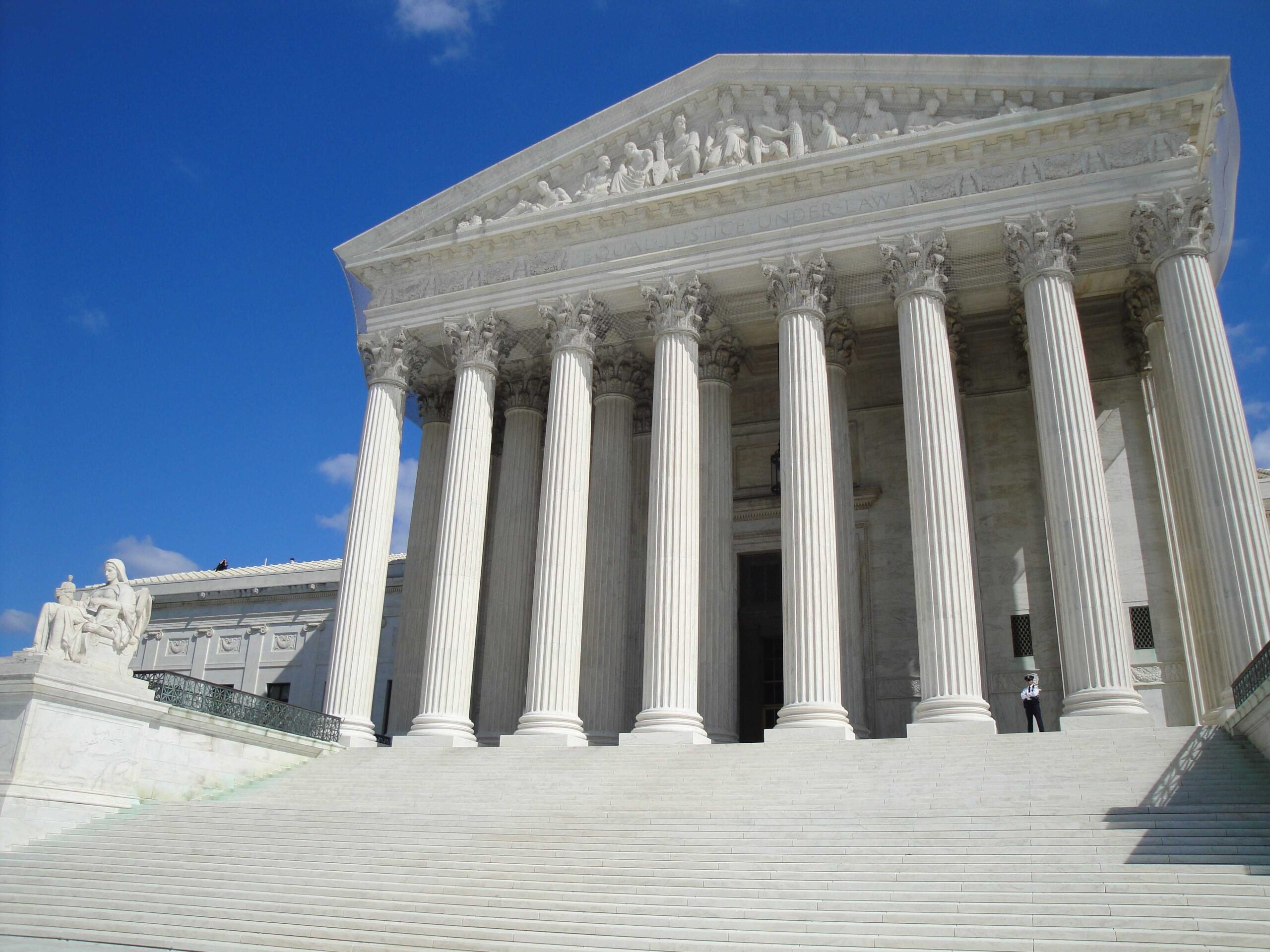
The Supreme Court’s decision to strike down President Trump’s tariffs has left importers facing a lengthy and uncertain refund process, with consumers unlikely to see compensation for higher prices.

The Supreme Court has struck down President Donald Trump’s tariffs, leading companies to seek refunds, though the timeline for receiving money back remains uncertain. Trade lawyers predict that importers are likely to get their money back, but the process will be challenging. TD Securities, a Canadian multinational investment bank, estimates that refunds could take 12 to 18 months. Unfortunately for consumers, they should not expect compensation for the higher prices paid when companies passed along the cost of the tariffs, as refunds are most likely going to be issued to companies. Treasury Secretary Scott Bessent said, “The Supreme Court remanded it down to a lower court, and we will follow what they say, but that could be weeks or months when we hear them.”The U.S. Customs Agency collected more than $130 billion from the now-defunct tariffs. U.S. Customs has a process for refunding duties when importers show there’s an error, but they have never had to deal with thousands of importers and billions of dollars at once. The court’s 6-3 decision focuses on tariffs imposed under an emergency powers law, including the sweeping “reciprocal” tariffs he levied on nearly every other country, with significant tariffs against Canada, Mexico and China for allegedly not doing more to stop fentanyl trafficking.The majority found that it’s unconstitutional for the president to unilaterally set and change tariffs because taxation power clearly belongs to Congress. “The Framers did not vest any part of the taxing power in the Executive Branch,” Chief Justice John Roberts wrote. The court majority, however, did not address whether companies could be refunded for the billions they have collectively paid in tariffs. Over the weekend, Trump responded to the high court’s decision by announcing an increase in global tariffs from 10% to 15%, though he will need Congress’s approval to make them permanent.Keep watching for the latest from the Washington News Bureau:
The Supreme Court has struck down President Donald Trump’s tariffs, leading companies to seek refunds, though the timeline for receiving money back remains uncertain.
Trade lawyers predict that importers are likely to get their money back, but the process will be challenging.
Advertisement
TD Securities, a Canadian multinational investment bank, estimates that refunds could take 12 to 18 months.
Unfortunately for consumers, they should not expect compensation for the higher prices paid when companies passed along the cost of the tariffs, as refunds are most likely going to be issued to companies.
Treasury Secretary Scott Bessent said, “The Supreme Court remanded it down to a lower court, and we will follow what they say, but that could be weeks or months when we hear them.”
The U.S. Customs Agency collected more than $130 billion from the now-defunct tariffs. U.S. Customs has a process for refunding duties when importers show there’s an error, but they have never had to deal with thousands of importers and billions of dollars at once.
The court’s 6-3 decision focuses on tariffs imposed under an emergency powers law, including the sweeping “reciprocal” tariffs he levied on nearly every other country, with significant tariffs against Canada, Mexico and China for allegedly not doing more to stop fentanyl trafficking.
The majority found that it’s unconstitutional for the president to unilaterally set and change tariffs because taxation power clearly belongs to Congress. “The Framers did not vest any part of the taxing power in the Executive Branch,” Chief Justice John Roberts wrote. The court majority, however, did not address whether companies could be refunded for the billions they have collectively paid in tariffs.
Over the weekend, Trump responded to the high court’s decision by announcing an increase in global tariffs from 10% to 15%, though he will need Congress’s approval to make them permanent.
Keep watching for the latest from the Washington News Bureau: