
Read the full article on KETV 7

California to rename Cesar Chavez Day as Farmworkers Day following sexual abuse allegations
Well, I appreciate the question and and and it’s an appropriate one. I mean we’re all absorbing, you know we heard some rumors as early as yesterday, *** few days ago someone said something may be coming out, an investigation as it relates to this, and you know this is, it’s March 30, I think at the end of the month, Cesar Chavez Day, and you know every year the governor of California proclaims Cesar Chavez Day, it’s in the statute, um, and uh how many days I’ve marched, um, how many times I’ve been with students, you know, talking about. Uh, the movement and how many photographs I have in my house of Bobby Kennedy and Cesar Chavez, uh, woke up this morning, he was right there, uh, and, um, and so it’s been hard to absorb this, you know, Jen and I are very close with Dolores, so many of us are, uh, but very close. I’ve been for decades and decades, and none of us knew. And we were sharing all this and so we’re just I think all of us are processing it um and. You know, and, and just these kids have to process it now. I mean, I think there’s Brooks. I don’t know was 3 dozen schools in the state are named after Cesar Chavez. I don’t know, community in the country. I traveled to 14 states last few weeks. I, I think I was, you know, in 14 Cesar Chavez Streets in every part of this country, so we’re just gonna have to reflect on all of that and, you know, reflect on *** farm workers movement and *** labor movement that was much bigger than one man. And celebrate that. Uh, and, and, and that will be our focus as we process what the next steps are, but I also am mindful that it’s one thing for. Meet *** process for some of us it’s for the young kids this is hard. And so I hope we have some grace in that respect is they wonder if there is *** name change. Their identity to their school to This icon that they thought one thing of and how we process that shift um and so you know this is you know. This is the world we’re living in and we’re for justice, we’re for the truth, we’re for transparency. We want to have the backs of our victims, but it’s *** sensitive, sensitive moment. Yeah, I mean, I, I said, I’m just processing this within, you know, hours of I just read the article this morning, um, didn’t, didn’t, I, as I said, there was never an indication all these years, um, you know, particularly, I spent so many. So many, so much time with Dolores and now I have 2 kids. I mean it was, you know, just *** lot to process. So look, I, I think, uh, again it’s about the movement, it’s about farm workers, it’s about labor, um, it’s about social justice, uh, economic justice, racial justice, um, all things that, uh, that, uh, the movement. Um, uh, um, you know, has inspired, and, uh, we should all be celebrating. Governor, prevention in terms of prevention, I’m curious to get your take. What does it say about the systems that have been in place? The legend Well, it’s not unique to California. I mean this has all been highlighted in pretty, uh, you know, three dimensional ways and Epstein and all the rest. I mean this is *** broader culture. I mean this literally goes to the heart of the work I’m the last, you know, I’m, I’m here with someone who’s been at this for decades, my wife who’s been calling this out for decades, has done 7 documentaries calling out the why, the systems, what we just signed in the executive order. Goes to start to address those issues. I, I just, it’s amazing how lazy we are that we’re not getting under the hood and dealing with the real structural reasons why it’s about power it’s about dominance, aggression, it’s not about empathy, care, compassion, it’s not about women and girls, it’s not been, you know, it’s not been the priority now it’s all being washed away in real time. You’re seeing this move by current administration to put America in reverse on voting rights highlighted the save Act conversations, civil rights writ large and. Anti-woke legislation, anti-DEI legislation, um, and, uh, and so, you know, all of those are just prove points of the work we have to do, but, uh, they’re deeper and systemic, and they’re, they’re bigger than our state. The good diff the difference is though in our state we’ve been pushing back against *** lot of those forces, but we have *** lot of institutional work still to do. Just one second, I’ll get you. Yeah, yeah, look, I would. Yeah, no, I appreciate it and, and look, I, yeah, I’m open, obviously these are brand new conversations, so we’re having conversations in *** very public way right now, uh, but those are important conversations I think we need to have those conversations. I think that’s the right, um, thing to do, um, but you know, we start to unpack all this and dive *** little bit deeper, seek first to understand before we’re understood, um, before we jump to the next steps, and so this, you know, this. There’s *** sense of urgency on that in the context of this being you know *** month we celebrate the life and times of *** figure we’ve long embraced and revered and so now we’re learning more and we have to be there for the back of the victims and we have to make sure truth and trust is restored and we have to make sure we’re transparent and people are accountable in that context. Yeah. Jeremy, I wasn’t exaggerating. I was brushing my teeth. There they were to the right. Yeah, that’s, that’s the first photo I wake up to, uh, black and white photo. This, you know, it’s, I’ve talked to you, you know, in the past, I, you know, I talk about my wife standing up to ideals, striking out against injustice, so much of it is captured. In the vernacular of those times and you know and Sarge Shriver and Bobby and Cesar and um you know solving the even the language I wasn’t. I wasn’t being loose in my language *** moment ago. I talked in the context of this press conference about solving for ignorance, poverty and disease. That’s the language of the sixties. That’s what they represented and uh but there was *** hard-headed pragmatism as well that uh defined that um their work and so yeah, no, it’s, it’s, it’s difficult and as I say I was uh you know, it is even more difficult just, you know, you know, learning more about someone I know so well. Uh, like Dolores, and, uh, so you know I, I think you know again Jen and I, it’s hard to, I don’t want to overstate because I think everyone shares this with Dolores. Uh, she’s 96 years young, she’s ubiquitous, she’s everywhere, um, and we all feel like we know her. We all feel like she knows us and so you know all of this is sort of captured *** moment where you know you know requires *** little more reflection, uh, *** little more understanding, um, uh, and, and I, you know, we need *** little bit of space but we need to move. If we need to move we’ll, we’ll do so together we’ll talk to the caucuses. There are already conversations at the staff level and you can imagine Sacramento, those are. You know, those are robust right now. You’ll have some reporting and shortly and I’ll learn more as well about those conversations. Not, not yet. There you go. um I, uh. Tengo muchos, um, sentimentos for Doloresilla mujeres que quera nias and I say epoca they um. Valencia. I say yosi um la mujeres san and nuestros corazoneus yo tengo mucho respeto pores uh compartir sus sus um cuentas porque sus mil. I pero porque ana blando esobaudar mas mojeres. In nias in ninos blar deascorsas muifeas and estra sociedad anduesa cultura esos mu importantte porque tenemos un problema mui grande el mundo compoder yumbres compoder que asencosas muima la mujeres noineque mira masque la noticia de loquea pasado por Anos K Epstein. Quinn Cosby. Go on Weinstein. Cohen. Bueno mas hombres la mayoria de los hombreson buenas personas pero ayalgunos quean echo tantas cosas feas it tenemosque. Decerno masesoshombres gracias. To, but when you talk about leveling. What Mm. We, we highlight *** lot of the statistics in the executive order which only reinforce this. We also highlight some of the efforts in the past as it relates to our efforts to diversify boards to get more pay equity information made available in public, more transparent, uh, the fits and starts in this space, but clearly we have more work to do and that’s highlighted by this work group that Jen put together and Jen, perhaps you can speak *** little bit more about that. I myself. I’m still shaking *** little bit about Dolores. And all these young women. So I want you to say something first and I’ll jump in. I’m just, it’s *** lot. It’s like we’re living in really tough times and you know, this war on women isn’t new. It goes way, way back centuries. Enough is enough. So, It’s got to end. It’s got to end in my lifetime. You want to say something? OK, after that set up, it’s hard. OK, sorry.
Advertisement
Mary Rose Wilcox and her husband marched and fasted alongside César Chavez. They helped him open a radio station in Phoenix and plastered their Mexican restaurant with photos and a mural of the widely admired Latino icon.Video above: California leaders react to César Chávez sex abuse allegationsSo when Wilcox’s daughter called this week to inform them of sexual abuse allegations leveled against Chavez, she said it felt like a punch to the gut.By Wednesday morning, the couple had taken down Chavez’s photos from their restaurant walls and made plans to cover the mural.”We love César Chavez. But we cannot honor him and we cannot even love him anymore,” said the former Phoenix City Council member.Many like Wilcox are working to reconcile the legacy of a man who fought tirelessly for the rights of farmworkers with stunning allegations that he sexually abused girls and the co-founder of the United Farm Workers of America union, Dolores Huerta.Latino leaders and community groups quickly condemned the alleged abuse by Chavez but emphasized that the farmworker movement was never just about a single man. Chavez died in California in 1993 at age 66.There were calls to alter memorials honoring the man who in the 1960s helped secure better wages and working conditions for farmworkers and has been long revered by many Democratic leaders in the U.S. The California Museum said it will remove Chavez from the state’s Hall of Fame — something it’s never done before.Some local and state leaders in both parties urged their communities not to celebrate Chavez’s birthday on March 31, and to rename buildings and streets named for him. Celebrations of Chavez in Texas and in his home state of Arizona have been canceled at the request of the Cesar Chavez Foundation.In California, legislative leaders announced Thursday they are going to rename César Chavez Day as Farmworkers Day in light of the allegations.California was the first state to designate Chavez’s birthday as a day to honor the civil rights leader nearly 30 years ago. In 2000, the Legislature passed a bill to make it an official paid day off for state employees and require the state to start teaching students about his legacy and his involvement in the labor movement in California.Many other California workers are given the day off.Dolores Huerta stamped her own legacy on the fight for justiceHuerta, who is a labor rights legend in her own right, said in a statement released Wednesday that she stayed silent for 60 years for fear her words could hurt the farmworker movement. She said she did not know Chavez had hurt other women.Huerta described two sexual encounters with Chavez, one in which she was “manipulated and pressured” and another when she was “forced against my will.” She said both led to pregnancies, which she kept secret, and that she arranged for the children to be raised by other families.She joined Chavez in 1962 to co-found the National Farm Workers Association, which became the United Farm Workers of America. For many, they were akin to Martin Luther King. Jr. and Rosa Parks because of their work advocating for racial equality and civil rights.Huerta’s resolve and dedication to civil rights, women’s rights and social justice won wide admiration. Some, including a group of Democrats in Texas, are calling for Huerta’s name to replace Chavez’s on places that bear his name.The New York Times first reported Wednesday that it found Chavez had groomed and sexually abused young girls who worked in the movement. Huerta, too, revealed to the newspaper that she was a victim of the abuse in her 30s.Some knew about Chavez’s abusive behavior, biographer saysChavez is known nationally for his early organizing in the fields, a hunger strike, a grape boycott and eventual victory in getting growers to negotiate with farmworkers for better wages and working conditions.Streets, schools and parks across the Southwest bear Chavez’s name. California became the first state to commemorate his birthday, and in 2014, then-President Barack Obama proclaimed March 31 César Chavez Day. President Joe Biden had a bronze bust of Chavez installed in the Oval Office when he moved into the White House.Biden and Obama have not yet commented on the allegations. California Gov. Gavin Newsom said he was still processing the news.Chavez was full of contradictions even as a union leader, said Miriam Pawel, a California journalist who wrote a biography of him. There were abusive behaviors within the union, but people didn’t speak out because they believed the union was the best way to protect farmworkers, she said.”For many, many years, for most of those people, even when they saw things that they found disturbing, they did not wanna talk about it,” Pawel said.Chavez’s family and foundation voice support for the victimsBorn in Yuma, Arizona, Chavez grew up in a Mexican American family that traveled around California picking lettuce, grapes, cotton and other seasonal crops.Chavez’s family said in a statement that they are devastated by the allegations.”We wish peace and healing to the survivors and commend their courage to come forward. As a family steeped in the values of equity and justice, we honor the voices of those who feel unheard and who report sexual abuse,” the family said.The Cesar Chavez Foundation pledged support for the labor leader’s victims, saying — with the Chavez family’s support — the organization will figure out its identity going forward.The United Farm Workers union quickly distanced itself from annual celebrations of its founder, calling the allegations troubling.Wilcox, the former Phoenix council member, said Chavez helped people understand the value of workers at all levels.”There’s two things: Chavez the man and Chavez the man who we didn’t know,” she said. “And the one we knew, we knew the good things he did and the things we saw put in place. … And the one we did not know is like a monster.”
Mary Rose Wilcox and her husband marched and fasted alongside César Chavez. They helped him open a radio station in Phoenix and plastered their Mexican restaurant with photos and a mural of the widely admired Latino icon.
Video above: California leaders react to César Chávez sex abuse allegations
Advertisement
So when Wilcox’s daughter called this week to inform them of sexual abuse allegations leveled against Chavez, she said it felt like a punch to the gut.
By Wednesday morning, the couple had taken down Chavez’s photos from their restaurant walls and made plans to cover the mural.
“We love César Chavez. But we cannot honor him and we cannot even love him anymore,” said the former Phoenix City Council member.
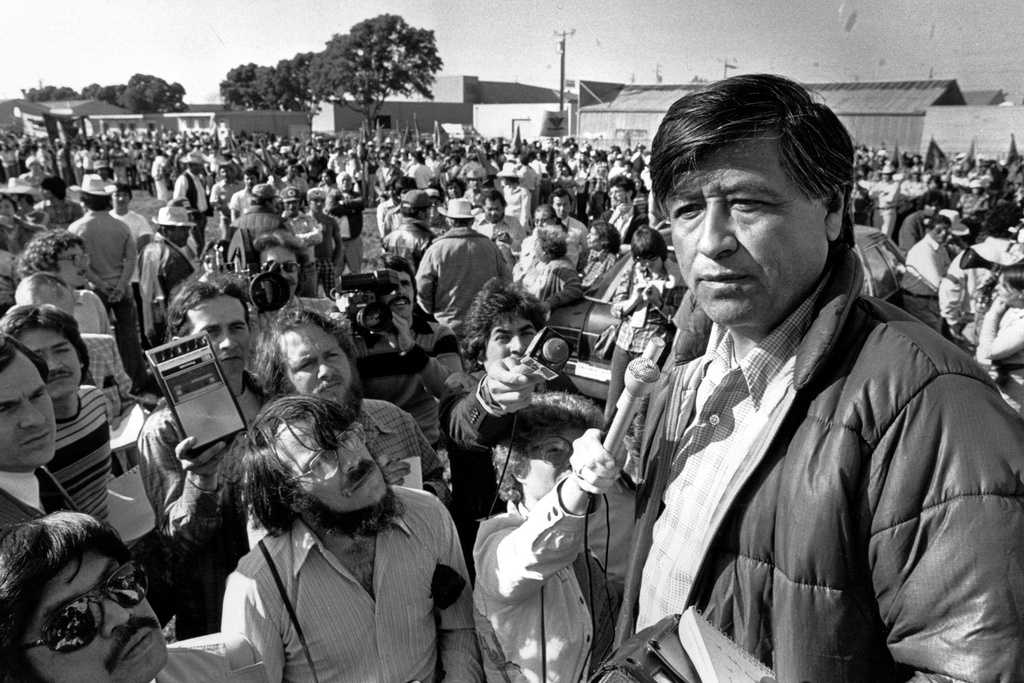
Many like Wilcox are working to reconcile the legacy of a man who fought tirelessly for the rights of farmworkers with stunning allegations that he sexually abused girls and the co-founder of the United Farm Workers of America union, Dolores Huerta.
Latino leaders and community groups quickly condemned the alleged abuse by Chavez but emphasized that the farmworker movement was never just about a single man. Chavez died in California in 1993 at age 66.
There were calls to alter memorials honoring the man who in the 1960s helped secure better wages and working conditions for farmworkers and has been long revered by many Democratic leaders in the U.S. The California Museum said it will remove Chavez from the state’s Hall of Fame — something it’s never done before.
Some local and state leaders in both parties urged their communities not to celebrate Chavez’s birthday on March 31, and to rename buildings and streets named for him. Celebrations of Chavez in Texas and in his home state of Arizona have been canceled at the request of the Cesar Chavez Foundation.
In California, legislative leaders announced Thursday they are going to rename César Chavez Day as Farmworkers Day in light of the allegations.
California was the first state to designate Chavez’s birthday as a day to honor the civil rights leader nearly 30 years ago. In 2000, the Legislature passed a bill to make it an official paid day off for state employees and require the state to start teaching students about his legacy and his involvement in the labor movement in California.
Many other California workers are given the day off.
Dolores Huerta stamped her own legacy on the fight for justice
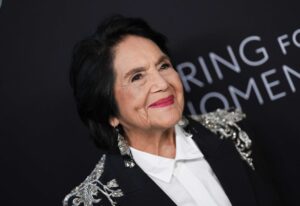
Huerta, who is a labor rights legend in her own right, said in a statement released Wednesday that she stayed silent for 60 years for fear her words could hurt the farmworker movement. She said she did not know Chavez had hurt other women.
Huerta described two sexual encounters with Chavez, one in which she was “manipulated and pressured” and another when she was “forced against my will.” She said both led to pregnancies, which she kept secret, and that she arranged for the children to be raised by other families.
She joined Chavez in 1962 to co-found the National Farm Workers Association, which became the United Farm Workers of America. For many, they were akin to Martin Luther King. Jr. and Rosa Parks because of their work advocating for racial equality and civil rights.
Huerta’s resolve and dedication to civil rights, women’s rights and social justice won wide admiration. Some, including a group of Democrats in Texas, are calling for Huerta’s name to replace Chavez’s on places that bear his name.
The New York Times first reported Wednesday that it found Chavez had groomed and sexually abused young girls who worked in the movement. Huerta, too, revealed to the newspaper that she was a victim of the abuse in her 30s.
Some knew about Chavez’s abusive behavior, biographer says
Chavez is known nationally for his early organizing in the fields, a hunger strike, a grape boycott and eventual victory in getting growers to negotiate with farmworkers for better wages and working conditions.
Streets, schools and parks across the Southwest bear Chavez’s name. California became the first state to commemorate his birthday, and in 2014, then-President Barack Obama proclaimed March 31 César Chavez Day. President Joe Biden had a bronze bust of Chavez installed in the Oval Office when he moved into the White House.
Biden and Obama have not yet commented on the allegations. California Gov. Gavin Newsom said he was still processing the news.
Chavez was full of contradictions even as a union leader, said Miriam Pawel, a California journalist who wrote a biography of him. There were abusive behaviors within the union, but people didn’t speak out because they believed the union was the best way to protect farmworkers, she said.
“For many, many years, for most of those people, even when they saw things that they found disturbing, they did not wanna talk about it,” Pawel said.
Chavez’s family and foundation voice support for the victims
Born in Yuma, Arizona, Chavez grew up in a Mexican American family that traveled around California picking lettuce, grapes, cotton and other seasonal crops.
Chavez’s family said in a statement that they are devastated by the allegations.
“We wish peace and healing to the survivors and commend their courage to come forward. As a family steeped in the values of equity and justice, we honor the voices of those who feel unheard and who report sexual abuse,” the family said.
The Cesar Chavez Foundation pledged support for the labor leader’s victims, saying — with the Chavez family’s support — the organization will figure out its identity going forward.
The United Farm Workers union quickly distanced itself from annual celebrations of its founder, calling the allegations troubling.
Wilcox, the former Phoenix council member, said Chavez helped people understand the value of workers at all levels.
“There’s two things: Chavez the man and Chavez the man who we didn’t know,” she said. “And the one we knew, we knew the good things he did and the things we saw put in place. … And the one we did not know is like a monster.”