

Read the full article on KETV 7
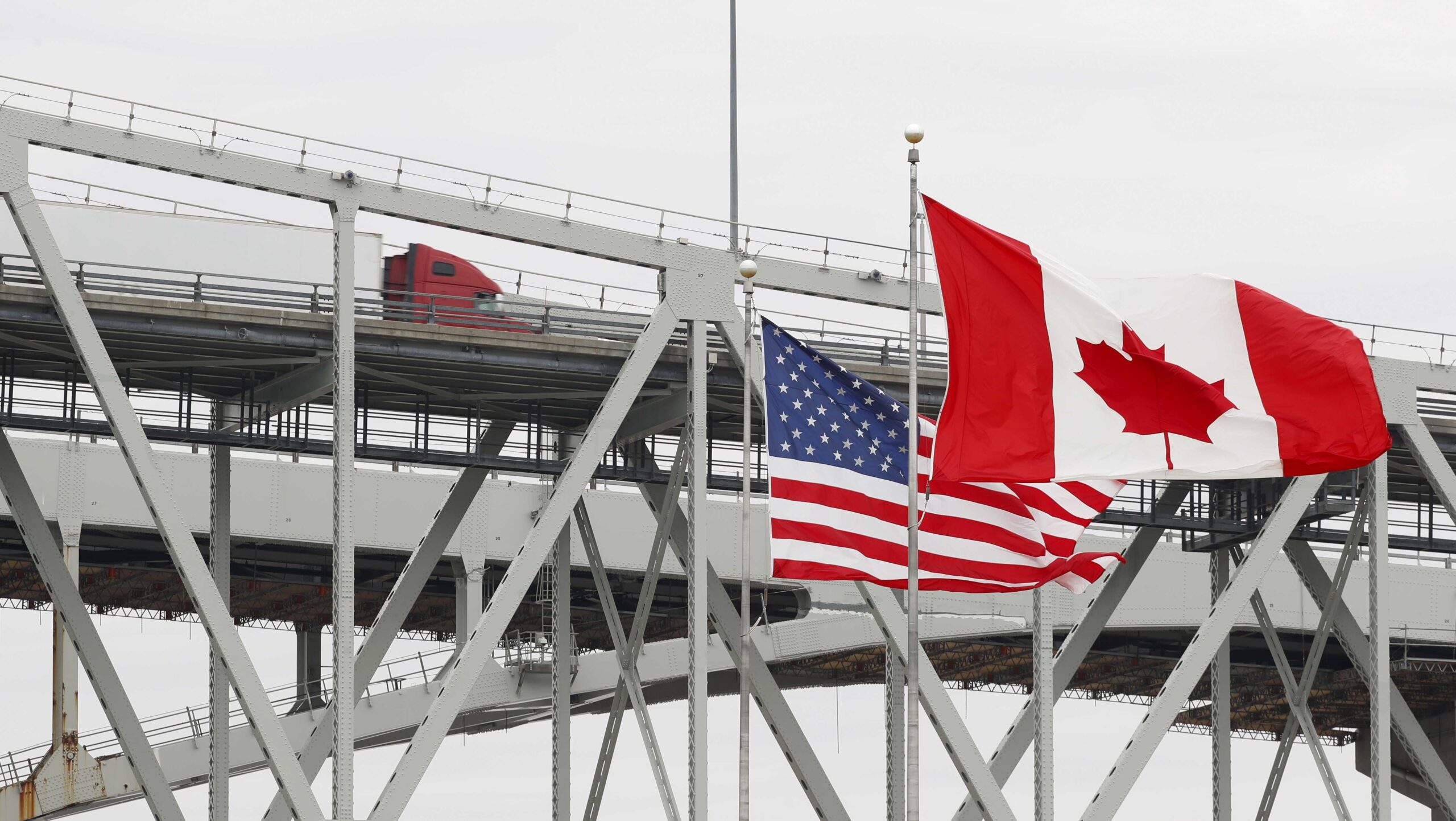
How the US-Canada trade war could hit consumers, farmers and businesses
An escalating trade war between the US and Canada risks raising costs on both sides of the border.
WASHINGTON —
A high-stakes trade war is escalating, as Canada teases new tariffs on hundreds of American goods starting next month in response to President Donald Trump’s actions over the weekend.
The spiraling feud risks raising costs on both sides of the border, as U.S. and Canadian economies are deeply intertwined.
Advertisement
Come Sept. 8, Canada is threatening tariffs ranging from 15% to 50% on more than 700 American goods, including steel, aluminum, furniture, dairy, and seafood, to name a few.
The retaliatory measures are intended to match Trump’s new 50% tariffs on $20 billion worth of Canadian goods, which took effect over the weekend after last-minute trade talks collapsed. Trump has also threatened to take further action in the future in the form of higher tariffs on Canadian vehicles, auto parts and steel.
The extent of the impact may hinge on how soon a potential deal can be made to cool tensions. It wasn’t immediately clear if and when negotiations would resume.
An April 2026 report from Federal Reserve economists found Trump’s global tariffs imposed last year contributed to persistently high inflation, but the effect on consumer prices built up gradually and peaked several months after those policies took effect.
A recently updated analysis from the Yale Budget Lab estimates that household costs due to tariffs total about $1,100 annually under current law, as businesses often pass on added duties to consumers. Trump administration officials have cast doubt on the accuracy of the analysis in the past.
Trump argues that Canada has “ripped off” American businesses and farmers for years, and his approach will ultimately extract concessions from Canada that expand market access.
U.S. Trade Representative Jamieson Greer was asked Monday about concerns from small businesses that rely on trade with Canada and may struggle to absorb additional expenses from tariffs in the meantime.
“The vast majority of goods that our small businesses trade in are made in the USA, or they’re duty-free. So, this is something where we don’t actually expect a huge impact,” Greer said.
On Wednesday, U.S. Agriculture Secretary Brooke Rollins acknowledged that farmers and ranchers are worried about the trade war, but she also defended Trump’s negotiating tactics.
“There’s no doubt that it causes concern amongst our farmers and ranchers as it is a lot of unknown out there,” Rollins said. “I believe strongly that once they finish this next round of negotiations, or whatever you want to call it, that America will certainly be the better for it and that our farmers and ranchers will benefit the most.”