

Read the full article on KETV 7

DOUG AND KATIE. OKAY, WE LIKE THE LOOKS OF THAT. THANKS. KELLY ANN NEW THIS MORNING AND ALL THIS WEEK ON THE EYE. WE’RE HELPING YOU STAY SHARPER LONGER. FIVE DAYS, FIVE WAYS TO IMPROVE YOUR BRAIN HEALTH AND CUT YOUR DEMENTIA RISK. ALL RIGHT. LET’S START WITH OUR FAVORITE TOPIC SLEEP. SLEEP IS REALLY IMPORTANT FOR BRAIN HEALTH AND GOOD QUALITY SLEEP OF SUFFICIENT DURATION OF CONSISTENT TIMING AND OF GOOD QUALITY ARE CRITICAL FOR CLEARING OUT THE WASTE PRODUCTS THAT BUILD UP DURING THE DAYTIME. OKAY, SO DOCTOR CEISLER SAYS THAT THAT BRAIN CLEANING THAT HAPPENS WHEN WE SLEEP, IT’S VITAL TO GETTING RID OF THE TOXINS THAT CAN IMPACT OUR BRAIN HEALTH. SO HOW DO WE DO THAT? THE GOOD DOCTOR SAYS THERE ARE THREE KEYS. FIRST, BE CONSISTENT. GO TO BED AT THE SAME TIME EVERY NIGHT. WAKE UP THE SAME TIME EVERY MORNING. SECOND, MANAGE YOUR LIGHT EXPOSURE. MAXIMIZE IT DURING THE DAY. LIMIT IT IN THE HOURS BEFORE BED. IN OTHER WORDS, PUT THE DEVICES AWAY. FINALLY, WATCH WHAT YOU EAT BEFORE YOU GO TO BED. DON’T GO FOR OPTIONS THAT WILL JACK UP YOUR BLOOD SUGAR. THEY INTERFERE WITH THE MELATONIN THAT’S TRYING TO HELP YOU SLEEP. SUCH A TOUGH TOPIC FOR SOME OF US. ALL RIGHT, TOMORROW MORNING AT 6 A.M., EATING YOUR WAY TO BETTER BRAIN HEALTH. THREE FOODS THAT
Advertisement
Sleep is something everyone has to do, but that does not mean it’s without challenges. Whether you are short on time, high in stress or just an outright bad sleeper, getting enough rest is something that sounds simple in theory but can be tough in practice.Related video above: Expert says sleep habits can help ward off dementiaOne thing that does not make it any easier: the never-ending sleep tips and tricks swirling around. Maybe your biohacking cousin swears by lowering his heart rate before sleep to unwind better, or maybe your mom keeps trying to put you on to the sleepy-girl mocktail. No matter what it is, if you need some help cutting through the white noise machine (get it?), we tapped some smart experts to break down the latest research about what truly matters when it comes to getting good, quality sleep.You don’t need 8 hours of sleepActually, maybe you do. But maybe you don’t. The point is, there is nothing set in stone about getting eight hours. “While the recommendation for most adults is still around seven to nine hours of sleep, there’s a shift away from pursuing a one-size-fits-all ‘magic number,’” says sleep expert Wendy Troxel, Ph.D., a senior behavioral and social scientist with RAND. That is due to research that resulted in updated views on sleep quantity and quality. “We now recognize that sleep needs can vary, with some people requiring more and others less,” she says. Plus, quality sleep goes beyond duration — regularity is also important, Troxel adds. Case in point: Maintaining regular sleep patterns (i.e., consistent bed and wake-up times) was associated with up to 48% lower odds of death from any cause compared with having a more erratic sleep schedule, found a study published in Sleep. In fact, consistency was a stronger predictor of overall longevity than the number of hours clocked, per that same research.Backup alarms always backfireA never-ending row of alarms on your phone is the new snooze button. “Setting five alarms might feel like you’re protecting yourself from oversleeping, but it’s actually making things worse,” says Shelby Harris, Psy.D., director of sleep health at Sleepopolis. “Hitting snooze interrupts your final stages of sleep and leaves you feeling groggier.” One thing you can do here is set one alarm — and get up with it. Over time, your body will adjust, making it easier to rise. And if you need an a.m. nudge? Try a sunrise alarm clock (which mimics the sunrise) or soothing music, per Harris.Sleep hygiene is helpful — but not an insomnia treatment Don’t get us wrong. Sleep hygiene — relaxing before bed; sleeping in a cool, dark, quiet room; avoiding screens — is important. However, “sleep hygiene isn’t a sleep treatment,” says neuropsychologist Julia Kogan, Psy.D., a sleep specialist in Chicago. In other words, it should not be used as a stand-alone strategy. While it’s a healthy way to approach sleep, if you have a chronic sleep issue like insomnia, you will need more than a good routine. Cognitive behavioral therapy for insomnia is the gold-standard treatment here. Unlike traditional CBT, which provides mental health support, CBT-I is specific to sleep, using techniques like limiting the amount of time you spend in bed, going to bed only when sleepy, avoiding naps, and identifying and rewriting unhelpful thoughts and beliefs surrounding sleep.Supplements will not cure your sleep woes Those magenta-colored sleepy-girl mocktails are fun and all, but they cannot always get the job done. “Taking supplements without making other healthful dietary choices won’t solve all of your problems,” says Marie-Pierre St-Onge, Ph.D., a sleep and nutrition expert at Columbia University and coauthor of “Eat Better, Sleep Better”. (That includes magnesium powders, herbal capsules and more.) What is better is eating a sleep-supporting diet all day long. St-Onge advises consuming a diet that is “plant-forward,” meaning one that is packed with fiber-rich foods (like fruits, vegetables, whole grains and legumes) and healthy fats (like nuts, seeds and avocado), with some animal products, like lean proteins and dairy (such as milk and yogurt). This diet provides the nutrients necessary for your body to produce the melatonin and serotonin that can help you fall asleep and stay asleep, while limiting foods high in saturated fat, sodium and added sugar that can interfere with rest, she says. Rather than overhauling every single thing you consume, focus on making one impactful change, such as adding an extra fruit or veggie to each meal or making sure you are getting a quality source of protein each time you eat.How you feel when you wake up is the best gauge of good sleepSleep trackers, whether wearables or apps, are informative, but they can only tell you so much. Per St-Onge, these three points are more important when assessing sleep: how you feel when you wake up (ideally, refreshed), your alertness during the day (you should not feel like face-planting at a meeting) and your ability to fall asleep readily (in less than 20 minutes). Those are all reliable tells on whether you are snoozing well — no tech required. Know that sleeping apart from your partner can be greatOne in three couples say they occasionally or consistently sleep in different rooms, according to a survey from the American Academy of Sleep Medicine. Dubbed a “sleep divorce,” solo sleeping is becoming destigmatized as more couples admit they do it, says Troxel, who is also the author of “Sharing the Covers: Every Couple’s Guide to Better Sleep”. “This trend reflects a growing recognition that quality sleep — regardless of sleeping arrangements — benefits relationships,” she says, adding that potential perks include better mood, intimacy and partner connection. To maintain intimacy, plan to spend time together prior to parting ways every night, watching TV, reading, having sex — whatever keeps you two close. You can approach this conversation with openness and honesty, reassuring your partner that this new setup is strictly for sleep and that you will prioritize connecting.Try not to fret if you cannot sleep We all have bad nights. It happens. Assuming that tomorrow will be awful if you cannot get to sleep immediately creates anxiety that makes it harder to fall asleep — the exact opposite of what you want. (Plus, you will still be able to function tomorrow. Promise.) Shift your mindset. “Even if you’re just resting, that’s still helpful,” Harris says. If you’re content in bed, focus on enjoying the quiet, as that will help you recharge. If you are stuck, get up and do something restful like reading a book, says Harris. There is value in rest and relaxation, wherever you can find it. Speak up and seek better care if neededMenopause (and perimenopause) does a number on sleep thanks to changing hormones that trigger night sweats, as well as stress and anxiety that keep your mental hamster wheel running. More than half (56%) of perimenopausal women ages 40 to 59 sleep less than seven hours per night, and they are more likely to have trouble falling asleep and staying asleep compared with premenopausal women, reports the Centers for Disease Control and Prevention. It does not have to be this way, says Troxel. Effective treatments include cognitive behavioral therapy for insomnia, cooling environments and even hormone therapy. Trouble is, these symptoms are often brushed off or merely accepted. “Women must advocate for themselves,” says Troxel. Do not accept poor sleep as something to endure; bring it up with your OB-GYN. If you do not feel heard, look for a menopause practitioner. Search for one in your area via the Menopause Society. Do what is best for you, todayWe love rules: Stop drinking caffeine by a certain time; do not exercise at night. But one critical thing to consider when it comes to sleep is that we are all different. A rule may not apply, or some rules may need a refresh. “Ask yourself if you need to make a behavior adjustment,” says St-Onge. For example, the way your body metabolizes caffeine changes with age, so a midafternoon java run may not be OK any longer. Also, exercise — we have been told it’s too “activating” when done at night, and for some of us, it is. Others benefit from it. Taking short “activity breaks” in the evening to do chair squats and calf raises can increase sleep time by 30 minutes, per a small study in BMJ Open Sport & Exercise Medicine. Bottom line: Do what works for you. Sleep advice that stands the test of time1. Think twice about booze If you want better sleep, take stock of your alcohol habits. Before bed, alcohol helps you fall asleep, but too much severely disrupts your middle-of-the-night sleep, says St-Onge. If you drink, do so with food and in moderation (one drink), to slow down its digestion.2. When in doubt, get upIt’s 3 a.m. You are warm, you are cozy, and your eyes could not be more wide open. Rather than trying to solve the world’s problems from your bed, go do a relaxing activity. (It’s not scrolling social media.) “You don’t want your brain to associate middle of the night as the time to think about everything. It makes you more anxious about not sleeping, decreasing the chances you will fall back asleep,” says Kogan. Read a book in dim lighting, for instance. Once drowsiness hits, head back to bed.3. Rise at a consistent time“Waking up at the same time helps set your circadian clock, which is your body’s 24-hour clock,” says Kogan. Once you do this consistently, your body clock will stabilize and you’ll be sleepy around the same time each night, she adds. Weekends? A bit of leeway is OK — say, a 30- to 60-minute sleep-in — but avoid large fluctuations.
Sleep is something everyone has to do, but that does not mean it’s without challenges. Whether you are short on time, high in stress or just an outright bad sleeper, getting enough rest is something that sounds simple in theory but can be tough in practice.
Related video above: Expert says sleep habits can help ward off dementia
Advertisement
One thing that does not make it any easier: the never-ending sleep tips and tricks swirling around. Maybe your biohacking cousin swears by lowering his heart rate before sleep to unwind better, or maybe your mom keeps trying to put you on to the sleepy-girl mocktail. No matter what it is, if you need some help cutting through the white noise machine (get it?), we tapped some smart experts to break down the latest research about what truly matters when it comes to getting good, quality sleep.
You don’t need 8 hours of sleep
Actually, maybe you do. But maybe you don’t. The point is, there is nothing set in stone about getting eight hours. “While the recommendation for most adults is still around seven to nine hours of sleep, there’s a shift away from pursuing a one-size-fits-all ‘magic number,’” says sleep expert Wendy Troxel, Ph.D., a senior behavioral and social scientist with RAND. That is due to research that resulted in updated views on sleep quantity and quality. “We now recognize that sleep needs can vary, with some people requiring more and others less,” she says.
Plus, quality sleep goes beyond duration — regularity is also important, Troxel adds. Case in point: Maintaining regular sleep patterns (i.e., consistent bed and wake-up times) was associated with up to 48% lower odds of death from any cause compared with having a more erratic sleep schedule, found a study published in Sleep. In fact, consistency was a stronger predictor of overall longevity than the number of hours clocked, per that same research.
Backup alarms always backfire
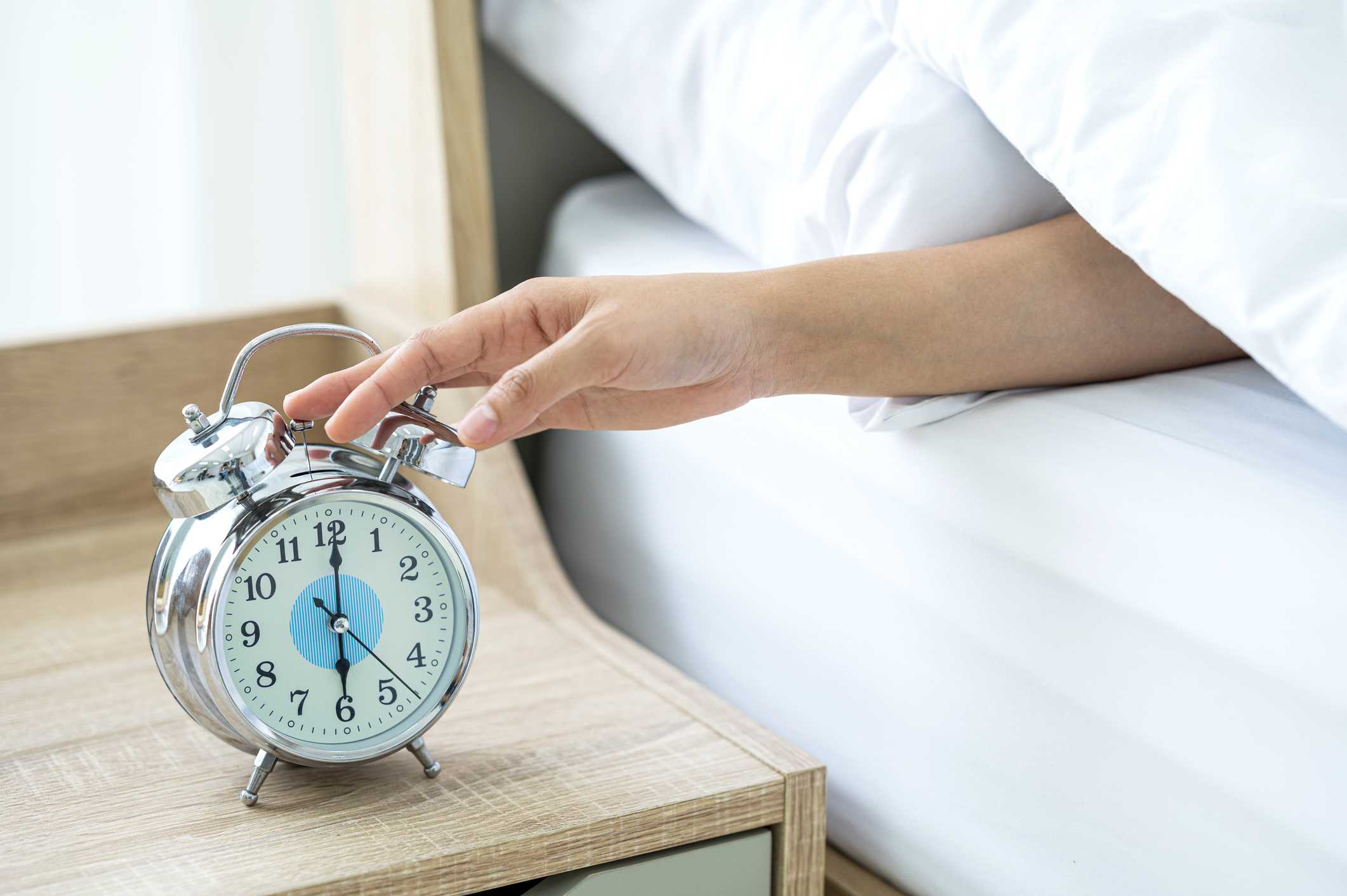
A never-ending row of alarms on your phone is the new snooze button. “Setting five alarms might feel like you’re protecting yourself from oversleeping, but it’s actually making things worse,” says Shelby Harris, Psy.D., director of sleep health at Sleepopolis. “Hitting snooze interrupts your final stages of sleep and leaves you feeling groggier.”
One thing you can do here is set one alarm — and get up with it. Over time, your body will adjust, making it easier to rise. And if you need an a.m. nudge? Try a sunrise alarm clock (which mimics the sunrise) or soothing music, per Harris.
Sleep hygiene is helpful — but not an insomnia treatment
Don’t get us wrong. Sleep hygiene — relaxing before bed; sleeping in a cool, dark, quiet room; avoiding screens — is important. However, “sleep hygiene isn’t a sleep treatment,” says neuropsychologist Julia Kogan, Psy.D., a sleep specialist in Chicago. In other words, it should not be used as a stand-alone strategy. While it’s a healthy way to approach sleep, if you have a chronic sleep issue like insomnia, you will need more than a good routine.
Cognitive behavioral therapy for insomnia is the gold-standard treatment here. Unlike traditional CBT, which provides mental health support, CBT-I is specific to sleep, using techniques like limiting the amount of time you spend in bed, going to bed only when sleepy, avoiding naps, and identifying and rewriting unhelpful thoughts and beliefs surrounding sleep.
Supplements will not cure your sleep woes
Those magenta-colored sleepy-girl mocktails are fun and all, but they cannot always get the job done. “Taking supplements without making other healthful dietary choices won’t solve all of your problems,” says Marie-Pierre St-Onge, Ph.D., a sleep and nutrition expert at Columbia University and coauthor of “Eat Better, Sleep Better”. (That includes magnesium powders, herbal capsules and more.) What is better is eating a sleep-supporting diet all day long.
St-Onge advises consuming a diet that is “plant-forward,” meaning one that is packed with fiber-rich foods (like fruits, vegetables, whole grains and legumes) and healthy fats (like nuts, seeds and avocado), with some animal products, like lean proteins and dairy (such as milk and yogurt). This diet provides the nutrients necessary for your body to produce the melatonin and serotonin that can help you fall asleep and stay asleep, while limiting foods high in saturated fat, sodium and added sugar that can interfere with rest, she says.
Rather than overhauling every single thing you consume, focus on making one impactful change, such as adding an extra fruit or veggie to each meal or making sure you are getting a quality source of protein each time you eat.
How you feel when you wake up is the best gauge of good sleep
Sleep trackers, whether wearables or apps, are informative, but they can only tell you so much. Per St-Onge, these three points are more important when assessing sleep: how you feel when you wake up (ideally, refreshed), your alertness during the day (you should not feel like face-planting at a meeting) and your ability to fall asleep readily (in less than 20 minutes). Those are all reliable tells on whether you are snoozing well — no tech required.
Know that sleeping apart from your partner can be great
One in three couples say they occasionally or consistently sleep in different rooms, according to a survey from the American Academy of Sleep Medicine. Dubbed a “sleep divorce,” solo sleeping is becoming destigmatized as more couples admit they do it, says Troxel, who is also the author of “Sharing the Covers: Every Couple’s Guide to Better Sleep”. “This trend reflects a growing recognition that quality sleep — regardless of sleeping arrangements — benefits relationships,” she says, adding that potential perks include better mood, intimacy and partner connection.
To maintain intimacy, plan to spend time together prior to parting ways every night, watching TV, reading, having sex — whatever keeps you two close. You can approach this conversation with openness and honesty, reassuring your partner that this new setup is strictly for sleep and that you will prioritize connecting.
Try not to fret if you cannot sleep
We all have bad nights. It happens. Assuming that tomorrow will be awful if you cannot get to sleep immediately creates anxiety that makes it harder to fall asleep — the exact opposite of what you want. (Plus, you will still be able to function tomorrow. Promise.) Shift your mindset. “Even if you’re just resting, that’s still helpful,” Harris says. If you’re content in bed, focus on enjoying the quiet, as that will help you recharge. If you are stuck, get up and do something restful like reading a book, says Harris. There is value in rest and relaxation, wherever you can find it.
Speak up and seek better care if needed
Menopause (and perimenopause) does a number on sleep thanks to changing hormones that trigger night sweats, as well as stress and anxiety that keep your mental hamster wheel running. More than half (56%) of perimenopausal women ages 40 to 59 sleep less than seven hours per night, and they are more likely to have trouble falling asleep and staying asleep compared with premenopausal women, reports the Centers for Disease Control and Prevention. It does not have to be this way, says Troxel.
Effective treatments include cognitive behavioral therapy for insomnia, cooling environments and even hormone therapy. Trouble is, these symptoms are often brushed off or merely accepted. “Women must advocate for themselves,” says Troxel. Do not accept poor sleep as something to endure; bring it up with your OB-GYN. If you do not feel heard, look for a menopause practitioner. Search for one in your area via the Menopause Society.
Do what is best for you, today
We love rules: Stop drinking caffeine by a certain time; do not exercise at night. But one critical thing to consider when it comes to sleep is that we are all different. A rule may not apply, or some rules may need a refresh. “Ask yourself if you need to make a behavior adjustment,” says St-Onge. For example, the way your body metabolizes caffeine changes with age, so a midafternoon java run may not be OK any longer. Also, exercise — we have been told it’s too “activating” when done at night, and for some of us, it is. Others benefit from it. Taking short “activity breaks” in the evening to do chair squats and calf raises can increase sleep time by 30 minutes, per a small study in BMJ Open Sport & Exercise Medicine. Bottom line: Do what works for you.
Sleep advice that stands the test of time
1. Think twice about booze
If you want better sleep, take stock of your alcohol habits. Before bed, alcohol helps you fall asleep, but too much severely disrupts your middle-of-the-night sleep, says St-Onge. If you drink, do so with food and in moderation (one drink), to slow down its digestion.
2. When in doubt, get up
It’s 3 a.m. You are warm, you are cozy, and your eyes could not be more wide open. Rather than trying to solve the world’s problems from your bed, go do a relaxing activity. (It’s not scrolling social media.) “You don’t want your brain to associate middle of the night as the time to think about everything. It makes you more anxious about not sleeping, decreasing the chances you will fall back asleep,” says Kogan. Read a book in dim lighting, for instance. Once drowsiness hits, head back to bed.
3. Rise at a consistent time
“Waking up at the same time helps set your circadian clock, which is your body’s 24-hour clock,” says Kogan. Once you do this consistently, your body clock will stabilize and you’ll be sleepy around the same time each night, she adds. Weekends? A bit of leeway is OK — say, a 30- to 60-minute sleep-in — but avoid large fluctuations.