
Read the full article on KETV 7
The spending package that ended the partial government shutdown today only extends funding for the Department of Homeland Security until February 13th. It means that lawmakers have *** matter of days to reach *** compromise on reforming ICE, or we could potentially see funding for that department lapse once again. Emotional moments on Capitol Hill Tuesday as lawmakers heard from the brothers of Renee Good, one of the US citizens fatally shot by federal officers in Minneapolis amid widespread protests over immigration enforcement. In the last few weeks, our family took some consolation. Thinking that perhaps Nay’s death would bring about change in our country. And it has not. Senate Democrats are demanding change too, and say they will not vote to fully fund the Department of Homeland Security until Republicans agree to rein in ICE and Border Patrol. We are not going to fund *** rogue department with its unchecked agents and officers. We’re going to have accountability on *** tight timeline, the White House. The White House says they’re ready for talks. We’re willing obviously to have this dialogue and to talk and to listen, but we are not going to concede in enforcing our nation’s immigration laws. Reaching *** compromise won’t be easy, as Republicans are already rejecting some Democratic demands like requiring ICE agents to unmask and obtain judicial approval for arrest warrants. It is unimplemented. It cannot be done and it should not be done, but there’s common ground emerging in other areas. On Monday, Homeland Security Secretary Christine Nome announced the immediate deployment of body cameras to all field officers in Minneapolis. That is *** start, but every one of their agents across America needs to wear body cameras like real police officers do. Secretary Nomes said that the body camera program would be expanded nationwide as funding is available. DHS did not respond to my questions today about the timeline for that or whether the agency already has enough money for *** mandatory body camera policy, given the surge of money that Congress approved for ICE and the so-called Big Beautiful bill last year. Reporting on Capitol Hill, I’m Jackie Deco.
Advertisement
ICE reform debate picks up as partial government shutdown ends
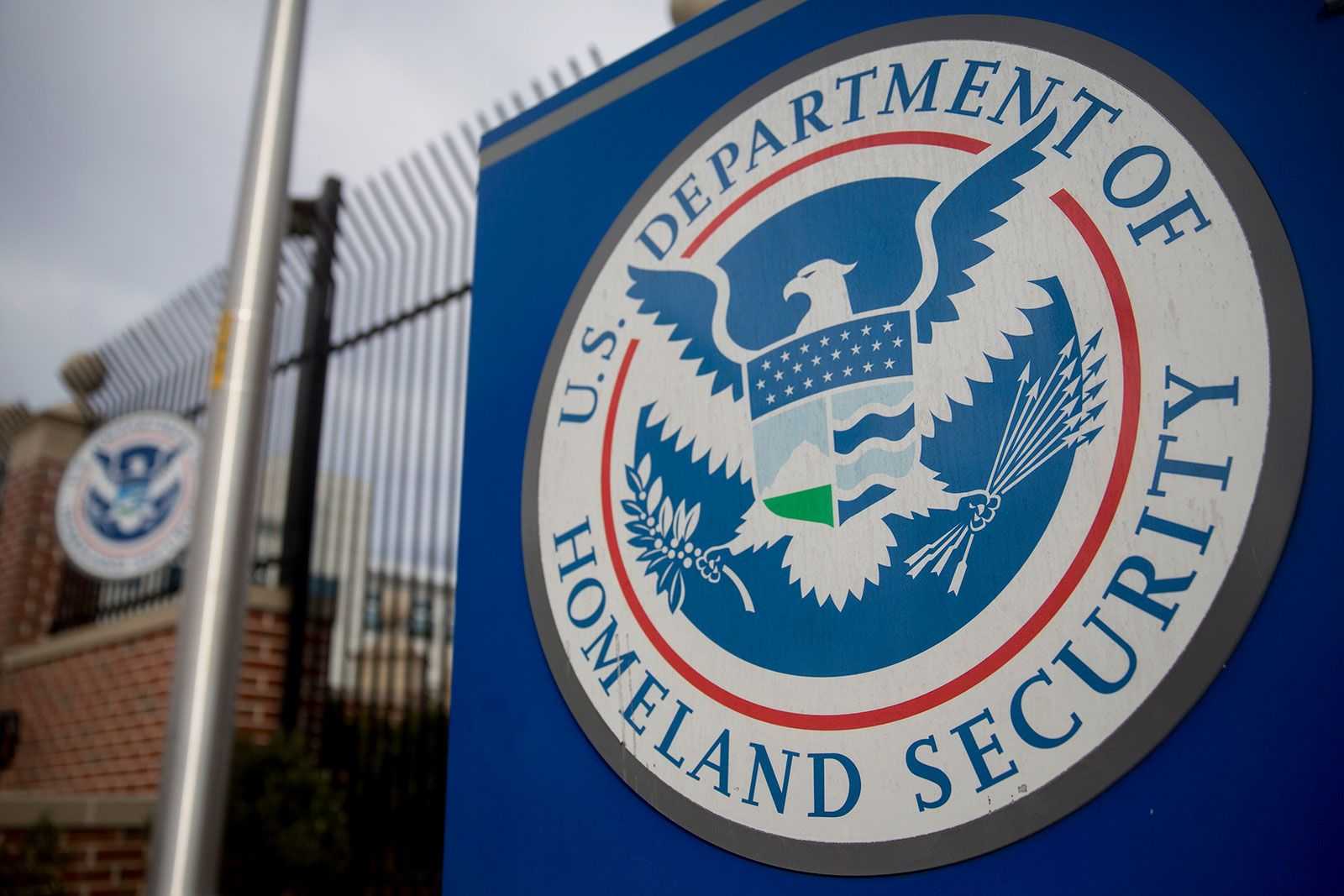
Congress has less than two weeks to reach a compromise on ICE reforms, or funding for the Department of Homeland Security could lapse again.

With the stroke of President Donald Trump’s pen, the partial government shutdown came to an end on Tuesday, but the debate over immigration enforcement on Capitol Hill is just getting started. The bipartisan spending package funded the vast majority of the federal government through Sept. 30, but it only extends Department of Homeland Security (DHS) funding until Feb. 13. It means lawmakers have roughly 10 days to compromise on Immigration and Customs Enforcement (ICE) reforms, or funding for the agency could lapse once again. Democrats released a list of demands after two U.S. citizens, Renee Good and Alex Pretti, were fatally shot by federal officers in Minneapolis amid widespread protests over Trump’s immigration crackdown. Lawmakers heard testimony from the family of Good on Tuesday at a forum focused on use-of-force policies. “In the last few weeks, our family took some consolation in thinking that perhaps Renee’s death would bring about change in our country, and it has not,” said Luke Ganger, Good’s brother. Democrats insist they won’t vote to fully fund DHS until Republicans agree to reforms that rein in ICE. “We are not going to fund a rogue Department with its unchecked agents and officers. We’re going to have accountability,” said Sen. Patty Murray, D-Wash. The White House has said it’s willing to engage in negotiations, but there is no guarantee of a compromise. “We’re willing, obviously, to have this dialogue and to talk and to listen, but we are not going to concede on enforcing our nation’s immigration laws and delivering on the mandate that the President was given by nearly 80 million Americans to deport illegal alien criminals from our country,” said White House press secretary Karoline Leavitt. House Speaker Mike Johnson, R-La., said Tuesday that he is confident an agreement can be reached, but he has already raised concerns about several Democratic demands, such as requiring ICE agents to unmask and obtain judicial approval for arrest warrants. “It is unimplementable. It cannot be done, and it should not be done,” Johnson said. There has already been some movement in other areas, like increasing body cameras. On Monday, Secretary of Homeland Security Kristi Noem announced the immediate deployment of body cameras for field officers in Minneapolis.”As funding is available, the body camera program will be expanded nationwide. We will rapidly acquire and deploy body cameras to DHS law enforcement across the country,” Noem wrote on social media. DHS didn’t directly respond to questions on Tuesday about the timeline, or whether the department already has enough funding to implement a mandatory body camera policy, given the surge of resources approved by Republicans last year in Trump’s mega-bill. “It’s a start, but every one of their agents across America needs to wear body cameras, like real police officers do,” said Rep. Ted Lieu, D-Calif.
With the stroke of President Donald Trump’s pen, the partial government shutdown came to an end on Tuesday, but the debate over immigration enforcement on Capitol Hill is just getting started.
The bipartisan spending package funded the vast majority of the federal government through Sept. 30, but it only extends Department of Homeland Security (DHS) funding until Feb. 13. It means lawmakers have roughly 10 days to compromise on Immigration and Customs Enforcement (ICE) reforms, or funding for the agency could lapse once again.
Advertisement
Democrats released a list of demands after two U.S. citizens, Renee Good and Alex Pretti, were fatally shot by federal officers in Minneapolis amid widespread protests over Trump’s immigration crackdown.
Lawmakers heard testimony from the family of Good on Tuesday at a forum focused on use-of-force policies.
“In the last few weeks, our family took some consolation in thinking that perhaps Renee’s death would bring about change in our country, and it has not,” said Luke Ganger, Good’s brother.
Democrats insist they won’t vote to fully fund DHS until Republicans agree to reforms that rein in ICE.
“We are not going to fund a rogue Department with its unchecked agents and officers. We’re going to have accountability,” said Sen. Patty Murray, D-Wash.
The White House has said it’s willing to engage in negotiations, but there is no guarantee of a compromise.
“We’re willing, obviously, to have this dialogue and to talk and to listen, but we are not going to concede on enforcing our nation’s immigration laws and delivering on the mandate that the President was given by nearly 80 million Americans to deport illegal alien criminals from our country,” said White House press secretary Karoline Leavitt.
House Speaker Mike Johnson, R-La., said Tuesday that he is confident an agreement can be reached, but he has already raised concerns about several Democratic demands, such as requiring ICE agents to unmask and obtain judicial approval for arrest warrants.
“It is unimplementable. It cannot be done, and it should not be done,” Johnson said.
There has already been some movement in other areas, like increasing body cameras.
On Monday, Secretary of Homeland Security Kristi Noem announced the immediate deployment of body cameras for field officers in Minneapolis.
“As funding is available, the body camera program will be expanded nationwide. We will rapidly acquire and deploy body cameras to DHS law enforcement across the country,” Noem wrote on social media.
DHS didn’t directly respond to questions on Tuesday about the timeline, or whether the department already has enough funding to implement a mandatory body camera policy, given the surge of resources approved by Republicans last year in Trump’s mega-bill.
“It’s a start, but every one of their agents across America needs to wear body cameras, like real police officers do,” said Rep. Ted Lieu, D-Calif.