

Read the full article on KETV 7
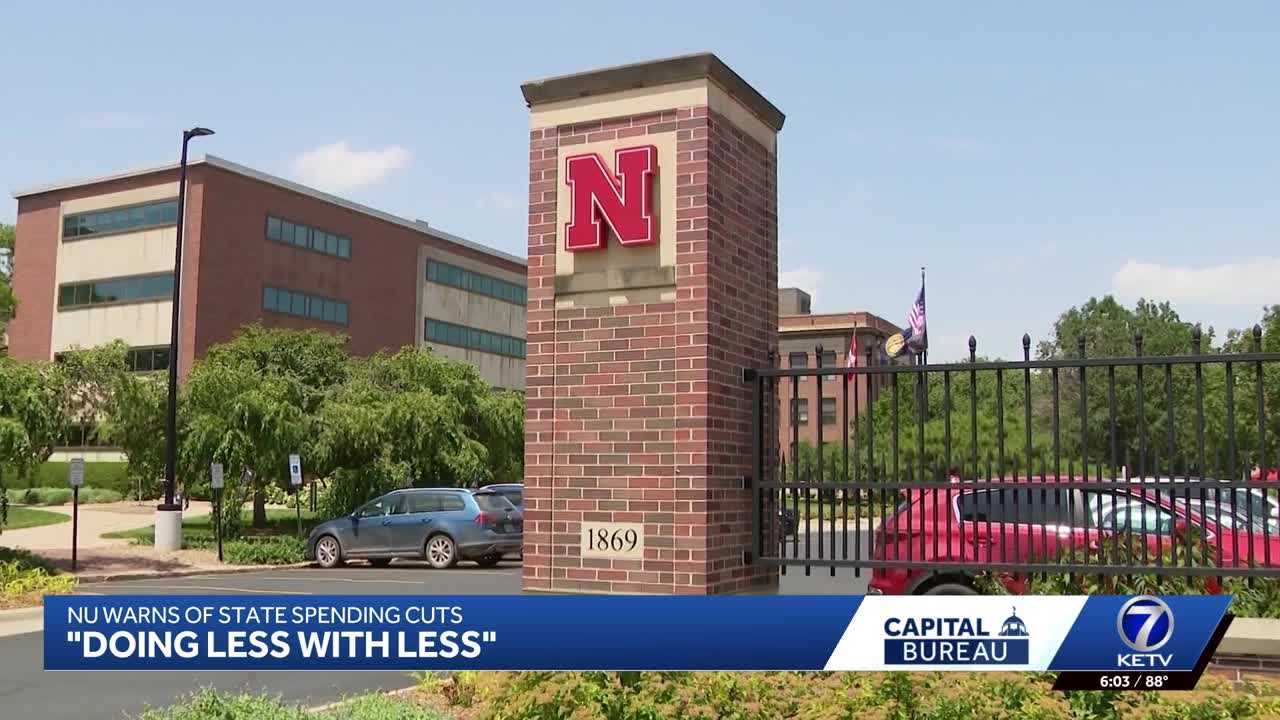
University of Nebraska warns governor’s spending directive could force $36 million in cuts
LINCOLN, Neb. —
University of Nebraska leaders say Gov. Jim Pillen’s directive to state agencies to reduce spending by at least 5% this fiscal year would cut about $36 million from the university system’s budget, forcing administrators to consider additional reductions after years of cost-cutting.
University President Dr. Jeffrey Gold said many of NU’s leaders were together for a meeting when the memo dropped last Wednesday.
Advertisement
“It was a combination of disappointment, surprise, and a bit of frustration,” Gold said.
The proposed reductions come after years of budget cuts and tuition increases across the university system. University leaders spent months building this year’s budget around what they expected would be a modest increase in state funding, about .625%.
“We’ve worked hard to do more with less,” Gold said. “And now we’re clearly in the mode of doing less with less.”
The university eliminated multiple programs over the past year, and Gold said administrators will now evaluate additional ways to absorb the proposed reductions.
“There’ll be a number of alternatives that will be discussed and, some system-wide, some individual campus-specific alternatives,” Gold said.
Gold said the underlying problem is that state revenues are not keeping pace with the state’s needs, but he argued the university is one of Nebraska’s strongest economic investments.
“You’re talking about anywhere between a 10x and a 16x return on investment,” Gold said.
Pillen told KETV last week the spending directive is unrelated to Nebraska’s growing budget deficit, saying it fits into his longtime goal of shrinking government.
“This has nothing to do with anything other than continuing to run government like a business,” Pillen said.
University Regent Kathy Wilmot said the system still has opportunities to reduce spending, including reviewing programs that she says do not prepare students for high-demand careers. When asked what those programs were, Wilmot demurred.
“The bottom line is, if the money isn’t there, changes have to happen,” Wilmot said. “I mean, we’re not just going to be able to go over there, I don’t believe, and take a sob story to the legislators.”
Wilmot has voted against previous tuition hikes, including one passed by the Board of Regents in June.
Gold said that despite the proposed spending reductions, the university will continue to honor all of its scholarship programs.