Read the full article on KETV 7
“Zombie” second mortgages are back and could put your home at risk
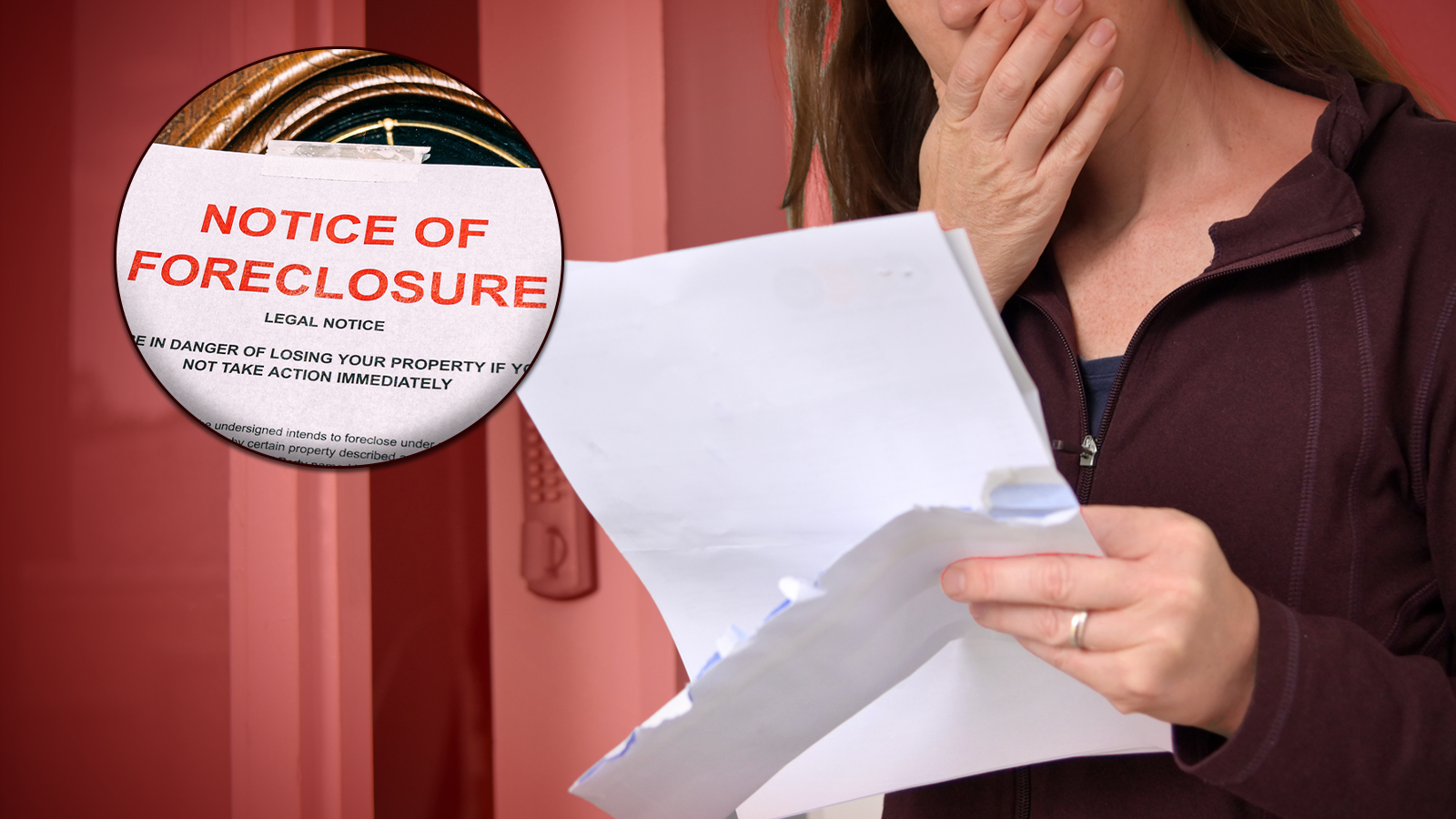
Dormant second mortgages from the early 2000s are reappearing, catching homeowners off guard and threatening foreclosure.
Digital News Video Producer
Dormant second mortgages from the early 2000s housing boom are resurfacing, leaving homeowners shocked and at risk of losing thousands of dollars or their home.
“Imagine you’re current on your mortgage, and now you get a notice saying you owe $150,000 today, or you’re going to lose your home,” said Andrea Bopp Stark, a senior attorney at the National Consumer Law Center. “It is shocking, traumatic and devastating.”
Advertisement
These “zombie” second mortgages are tied to 80/20 loans, which were popular during the housing boom of the early 2000s. Under this loan, the first mortgage covered 80% of the home’s purchase price and a second mortgage covered the remaining 20%.
“These loans were subprime loans,” Bopp Stark said. “They had high interest rates, or interest rates that adjusted very quickly, that made it very unaffordable and unsustainable for many homeowners to stay in the home.”
When the housing market crashed in 2007, many homeowners fell behind on their first mortgage. Plummeting home values left no equity in their properties. As a result, many lenders stopped actively collecting on these second mortgages, leaving them dormant for years, even decades.
Now, rising home values sparked during the pandemic have made these second mortgages profitable again. Because of this, debt collectors are reviving these second mortgages, catching many homeowners by surprise.
“Homeowners thought they were either discharged, potentially discharged in bankruptcy, modified with the first mortgage, and had somehow been taken care of,” Bopp Stark said.
Some debt collectors are demanding the outstanding balance plus fees and interest, even threatening foreclosure if the borrower cannot pay the debt back.
What to do if a collector contacts you
If a debt collector contacts you about a mortgage you thought was forgiven or satisfied, Bopp Stark advises not to ignore these notices.
Step one, verify the debt is real.
Don’t take what the servicer or debt collector tells you at face value. Contact the entity directly and ask them for proof of the amount you owe. Be wary of clicking a hyperlink or QR code.
According to the Consumer Finance Protection Bureau, homeowners will generally be provided with information at the outset of collection activity, usually in a written letter called the ‘validation information,’ which includes: the amount of the debt, the name of the creditor you owe, and a description of certain rights under the federal Fair Debt Collection Practices Act.
Step two, have a lawyer or housing counselor check whether the debt is valid and can be legally enforced.
The CFPB has a guide on how to find an attorney in your state.
You can also get a housing counselor certified by the U.S. Department of Housing and Urban Development to help you for free. You can search for housing counselors near you at the department’s official website here.
In some states, time limits can block a foreclosure or even wipe the old mortgage from the property altogether.
Bopp Stark also warned that making even a small payment could restart the statute of limitations clock in some states.
“So definitely consult with an expert before making a payment before doing anything,” she said.
How can I check if I have a “zombie” second mortgage?
Checking whether an old second mortgage is still attached to a property can be challenging.
“It’s very difficult,” Bopp Stark said. “I mean, you can go to the registry of deeds and see online, but that lender who put that lien on 20 years ago is probably not the same lender. That’s the tricky part.”
Reach out to the original lender and ask if they know who currently holds the second mortgage.
Part of the issue is that there is no national database, Bopp Stark said. She says her team at the National Consumer Law Center has asked the CFPB to create a database for borrowers to look up their loans.
Watch out for foreclosure rescue scams
While sorting out your options, Bopp Stark warns homeowners to look out for foreclosure rescue scams that target vulnerable homeowners. A trusted lawyer or a certified housing counselor should be able to help you sort out what’s legitimate.
Stay Connected With the National Consumer Unit
Get clear, actionable consumer reporting delivered across platforms.
Follow National Consumer Correspondent Allie Jasinski for real-time updates on Instagram, TikTok and YouTube.
Have a question you’d like us to investigate? Email us at askallie@hearst.com.
Subscribe to our twice-weekly consumer newsletter for in-depth explanations and practical guidance.