

Read the full article on KETV 7

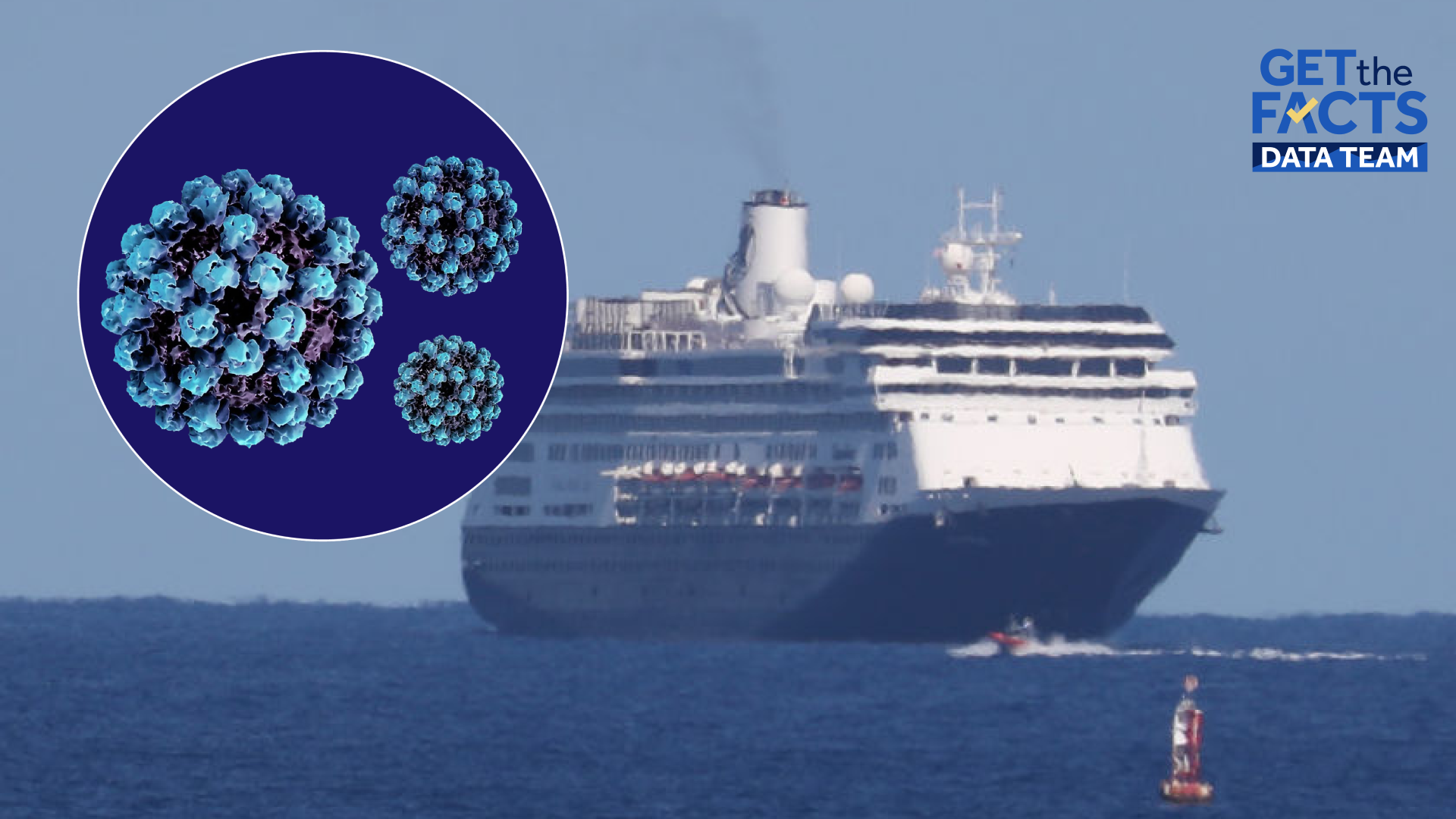
Cruise ship outbreaks are not uncommon, and recent years have seen a steady rise in gastrointestinal illness outbreaks. Data from the Centers for Disease Control and Prevention’s Vessel Sanitation Program show 23 GI illness outbreaks were recorded within the Vessel Sanitation Program’s jurisdiction in 2025. A cruise ship outbreak is when 3% or more of a cruise ship’s passengers or crew have reported symptoms of gastrointestinal illness to the ship’s medical staff during the voyage.While taking a cruise is generally safe, having a high concentration of people in a semi-enclosed space makes these vessels ripe for viruses to spread among passengers.So far in 2026, three outbreaks have been recorded, including the Insignia E. coli outbreak in April, the Star Princess norovirus outbreak in March and the E. coli outbreak on the Seven Seas Mariner in January.This excludes the hantavirus outbreak reported by the World Health Organization on the British cruise ship MV Hondius, operated by Oceanwide Expeditions, which did not involve a U.S. port.Three passengers on the MV Hondius cruise ship in the Atlantic Ocean have died.Common viral outbreaks in cruise shipsThe most common viral outbreak in cruise ships is norovirus, which had been reported 214 times in the dataset from 2006 to 2026. This highly contagious norovirus spreads through contaminated food, water or surfaces. According to Mayo Clinic, for most people, the norovirus infection usually clears up within a few days and isn’t life-threatening. Data before 2024 shows it affects, on average, 7% of passengers on cruise ships. What to avoidA CDC study of 252 cruise ships from 2006 through 2019 links ship size and voyage length with acute gastroenteritis on cruise ships. The report says illness rates among passengers increased on larger ships and on voyages longer than seven days. Illness rates among crew were higher on larger ships and on voyages lasting more than five days.
Cruise ship outbreaks are not uncommon, and recent years have seen a steady rise in gastrointestinal illness outbreaks.
Data from the Centers for Disease Control and Prevention’s Vessel Sanitation Program show 23 GI illness outbreaks were recorded within the Vessel Sanitation Program’s jurisdiction in 2025.
Advertisement
A cruise ship outbreak is when 3% or more of a cruise ship’s passengers or crew have reported symptoms of gastrointestinal illness to the ship’s medical staff during the voyage.
While taking a cruise is generally safe, having a high concentration of people in a semi-enclosed space makes these vessels ripe for viruses to spread among passengers.
So far in 2026, three outbreaks have been recorded, including the Insignia E. coli outbreak in April, the Star Princess norovirus outbreak in March and the E. coli outbreak on the Seven Seas Mariner in January.
This excludes the hantavirus outbreak reported by the World Health Organization on the British cruise ship MV Hondius, operated by Oceanwide Expeditions, which did not involve a U.S. port.
Three passengers on the MV Hondius cruise ship in the Atlantic Ocean have died.
Common viral outbreaks in cruise ships
The most common viral outbreak in cruise ships is norovirus, which had been reported 214 times in the dataset from 2006 to 2026. This highly contagious norovirus spreads through contaminated food, water or surfaces.
According to Mayo Clinic, for most people, the norovirus infection usually clears up within a few days and isn’t life-threatening.
Data before 2024 shows it affects, on average, 7% of passengers on cruise ships.
What to avoid
A CDC study of 252 cruise ships from 2006 through 2019 links ship size and voyage length with acute gastroenteritis on cruise ships. The report says illness rates among passengers increased on larger ships and on voyages longer than seven days. Illness rates among crew were higher on larger ships and on voyages lasting more than five days.