
Read the full article on KETV 7

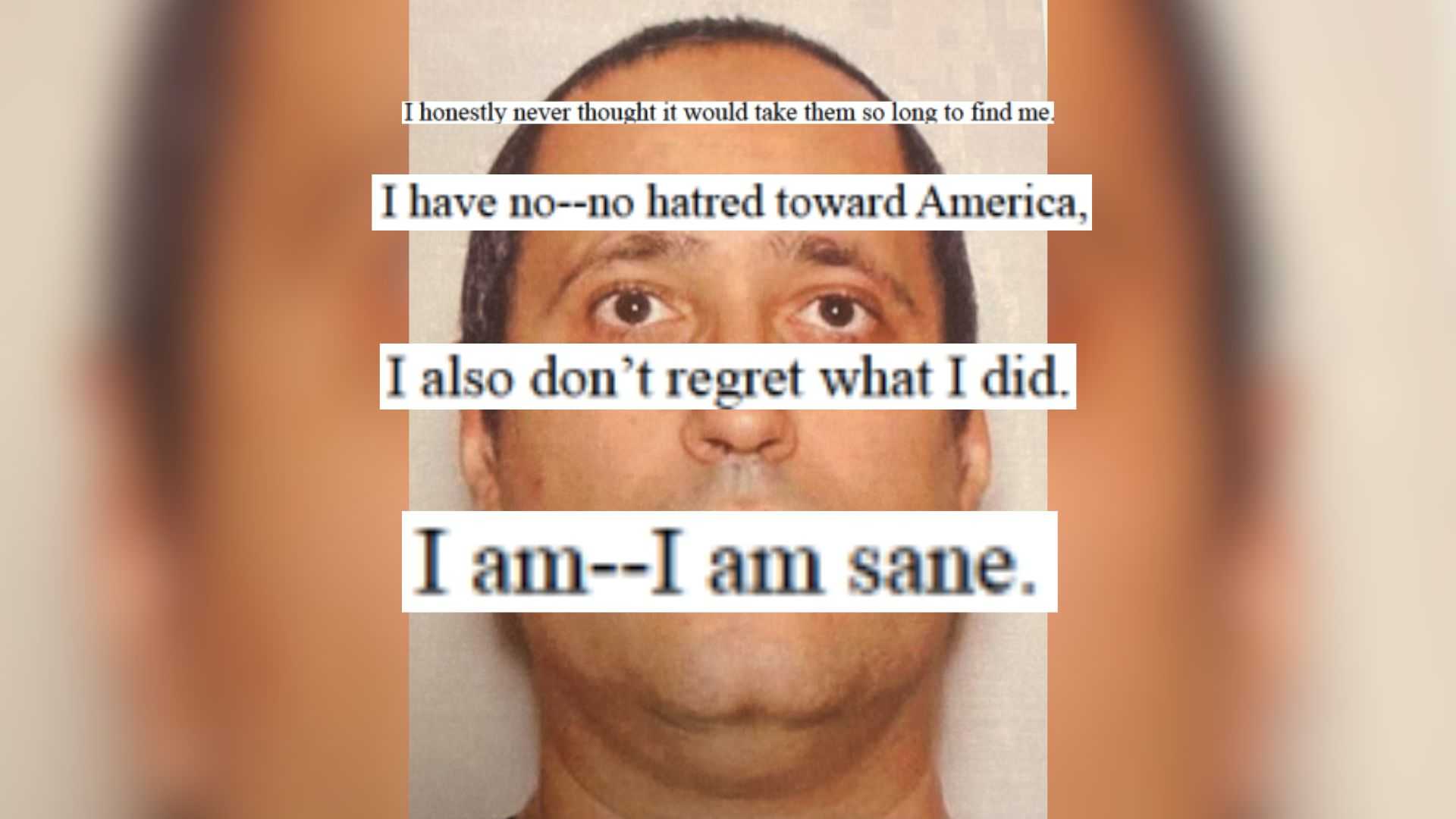
The Boston Division of the Federal Bureau of Investigation (FBI) and the U.S. Attorney’s Office for the District of Massachusetts released new details on Wednesday about their investigation into Claudio Manuel Neves Valente, the man who carried out a mass shooting at Brown University and killed a Massachusetts Institute of Technology (MIT) professor in Dec. 2025.Investigators determined Neves Valente acted alone and had no nexus to terrorism. While his exact motives will never truly be known, federal authorities said he carried out these killings because they were “symbolic” representations of Neves Valente’s own personal failures and shortcomings in life.Investigators said they came to this conclusion after collecting more than 112 pieces of evidence, running down 490 leads, conducting 260 interviews, looking through more than 11,000 surveillance video files and analyzing 815 videos and 1,327 audio files found on the shooter’s electronic devices.Neves Valente’s motivesFederal investigators said they took diligent steps to determine why Neves Valente committed these crimes.”Based on analysis of the information and evidence gathered throughout the investigation, the FBI assesses Neves Valente’s victims were symbolic in nature,” the FBI wrote in a joint press release with the U.S. Attorney’s Office. “Brown University as a whole and Dr. Loureiro represented to the shooter his personal failures and injustices he perceived were inflicted by others over time. By attacking them, Neves Valente was likely able to overcome his shame and envy by using violence to punish those communities that he perceived contributed to his downfall.”Investigators said Neves Valente struggled with how he viewed his life achievements and felt he was marginalized by others.The FBI believed the shooter experienced a failure to thrive and long-standing suicidality, and his current situation was incongruent with where he felt he should be at this stage in his life.Neves Valente’s inflated sense of self also contributed to interpersonal conflicts in his life that led him to believe he was being treated unfairly, which prevented him from reaching his perceived potential, according to authorities.The FBI said the shooter became increasingly paranoid over these perceived injustices, leading him to be mentally unwell and committed to dying.The mental stressors alone, however, cannot fully explain the attacks, according to investigators.”It is important to note that only Neves Valente knew the real reason why he committed these heinous acts,” the FBI’s press release read. “However, at this time, the FBI is confident, based on the evidence collected, the shooter’s own writings and recordings, and interviews with those who knew him best, that the above assessment is accurate.”Federal authorities said they continue to believe there aren’t any ongoing public safety threats associated with these shootings.The shooter’s backgroundClaudio Manuel Neves Valente, 48, was born in Torres Novas, Santarem, Portugal.He came to the United States in August 2000 on a student visa at Brown University after completing a physics program at Instituto Superior Tecnico in Portugal. Nuclear physicist and MIT professor Nuno Loureiro attended the same school.Neves Valente enrolled in a doctoral program at Brown in the fall but withdrew in May 2001, according to investigators. He then left the United States.Authorities did not say where he went afterward, but they said he returned to the U.S. in 2017 and obtained lawful permanent residency while living in Miami, Florida.He worked as a rideshare driver.At the time of the deadly shooting, Neves Valente was unemployed and had no criminal record or prior documented contacts with law enforcement, according to federal investigators.The timelineThe two 9 mm pistols recovered from Neves Valente’s body in 2025 were both legally purchased by him from a pawn shop in Florida, according to the FBI.The first gun, a Glock 34 9 mm, was purchased on July 19, 2020, and was used in the Brown University shooting, according to federal authorities.Officials said the second gun, a Glock 26 9 mm, was purchased on March 22, 2022. That gun positively correlated with the killing of Nuno Loureiro.Authorities said Neves Valente had been planning the Brown University shooting since at least 2022, the same time he acquired the storage unit in Salem, New Hampshire, where he would later be found dead.The FBI said he used the storage unit so he had a place to transport his guns.
The Boston Division of the Federal Bureau of Investigation (FBI) and the U.S. Attorney’s Office for the District of Massachusetts released new details on Wednesday about their investigation into Claudio Manuel Neves Valente, the man who carried out a mass shooting at Brown University and killed a Massachusetts Institute of Technology (MIT) professor in Dec. 2025.
Investigators determined Neves Valente acted alone and had no nexus to terrorism.
Advertisement
While his exact motives will never truly be known, federal authorities said he carried out these killings because they were “symbolic” representations of Neves Valente’s own personal failures and shortcomings in life.
Investigators said they came to this conclusion after collecting more than 112 pieces of evidence, running down 490 leads, conducting 260 interviews, looking through more than 11,000 surveillance video files and analyzing 815 videos and 1,327 audio files found on the shooter’s electronic devices.
Neves Valente’s motives
Federal investigators said they took diligent steps to determine why Neves Valente committed these crimes.
“Based on analysis of the information and evidence gathered throughout the investigation, the FBI assesses Neves Valente’s victims were symbolic in nature,” the FBI wrote in a joint press release with the U.S. Attorney’s Office. “Brown University as a whole and Dr. Loureiro represented to the shooter his personal failures and injustices he perceived were inflicted by others over time. By attacking them, Neves Valente was likely able to overcome his shame and envy by using violence to punish those communities that he perceived contributed to his downfall.”
Investigators said Neves Valente struggled with how he viewed his life achievements and felt he was marginalized by others.
The FBI believed the shooter experienced a failure to thrive and long-standing suicidality, and his current situation was incongruent with where he felt he should be at this stage in his life.
Neves Valente’s inflated sense of self also contributed to interpersonal conflicts in his life that led him to believe he was being treated unfairly, which prevented him from reaching his perceived potential, according to authorities.
The FBI said the shooter became increasingly paranoid over these perceived injustices, leading him to be mentally unwell and committed to dying.
The mental stressors alone, however, cannot fully explain the attacks, according to investigators.
“It is important to note that only Neves Valente knew the real reason why he committed these heinous acts,” the FBI’s press release read. “However, at this time, the FBI is confident, based on the evidence collected, the shooter’s own writings and recordings, and interviews with those who knew him best, that the above assessment is accurate.”
Federal authorities said they continue to believe there aren’t any ongoing public safety threats associated with these shootings.
The shooter’s background
Claudio Manuel Neves Valente, 48, was born in Torres Novas, Santarem, Portugal.
He came to the United States in August 2000 on a student visa at Brown University after completing a physics program at Instituto Superior Tecnico in Portugal. Nuclear physicist and MIT professor Nuno Loureiro attended the same school.
Neves Valente enrolled in a doctoral program at Brown in the fall but withdrew in May 2001, according to investigators. He then left the United States.
Authorities did not say where he went afterward, but they said he returned to the U.S. in 2017 and obtained lawful permanent residency while living in Miami, Florida.
He worked as a rideshare driver.
At the time of the deadly shooting, Neves Valente was unemployed and had no criminal record or prior documented contacts with law enforcement, according to federal investigators.
The timeline
The two 9 mm pistols recovered from Neves Valente’s body in 2025 were both legally purchased by him from a pawn shop in Florida, according to the FBI.
The first gun, a Glock 34 9 mm, was purchased on July 19, 2020, and was used in the Brown University shooting, according to federal authorities.
Officials said the second gun, a Glock 26 9 mm, was purchased on March 22, 2022. That gun positively correlated with the killing of Nuno Loureiro.
Authorities said Neves Valente had been planning the Brown University shooting since at least 2022, the same time he acquired the storage unit in Salem, New Hampshire, where he would later be found dead.
The FBI said he used the storage unit so he had a place to transport his guns.