
Read the full article on KETV 7
President Donald Trump announced that the United States has signed a memorandum of understanding with Iran, which he said will prevent Tehran from acquiring nuclear weapons and ensure the reopening of the Strait of Hormuz. “The main thing is that Iran will not have a nuclear weapon. They fully agreed to that, with strong policing powers. And they won’t have a nuclear weapon, which is what it was all about,” Trump said. Senior administration officials said Iran has agreed to destroy and remove its nuclear material, dismantle its nuclear program, stop funding terrorist groups, and reopen the Strait of Hormuz. Additionally, none of Iran’s funds will be released until it fulfills its commitments under the agreement. Officials noted that technical details still need to be finalized over the next 60 days, and the text of the MOU could be released within the next 24 to 48 hours. The document could outline how Iran’s compliance will be verified, the consequences of violating the terms, and potential benefits Iran could receive in return. One key aspect of the agreement is the reopening of the Strait of Hormuz, a vital global shipping lane for oil and gas. Trump said the strait is already partially open, with ships beginning to pass through, and it will be fully operational by Friday. “And the strait is already partially opened, as you know. They are doing a little hunting for a couple of mines. They’ve already found, but it’s essentially, ships are starting to go out. Now on Friday, it’ll be completely opened,” Trump said. Friday marks the expected official signing of the MOU, according to the president. However, officials cautioned that while the strait will be open, normalization of shipping traffic may take longer due to factors such as remaining mines, insurance risks and ship crews waiting to see if the deal holds. Control of the Strait of Hormuz under the agreement remains uncertain. Senior administration officials stated there will be no tolling in the strait during the first 60 days, but they did not rule out the possibility of tolls or fees afterward. Iranian officials have expressed interest in charging fees for ships using the strait. For families at home, the reopening of the strait could impact gas prices. Markets have already reacted to the prospect of increased oil flow, with oil prices dropping significantly over the past week and gas prices declining for five consecutive weeks.Experts said gas prices may not return to pre-war levels for months, depending on whether the strait remains open, shipping normalizes, and the MOU holds or evolves into a long-term deal.
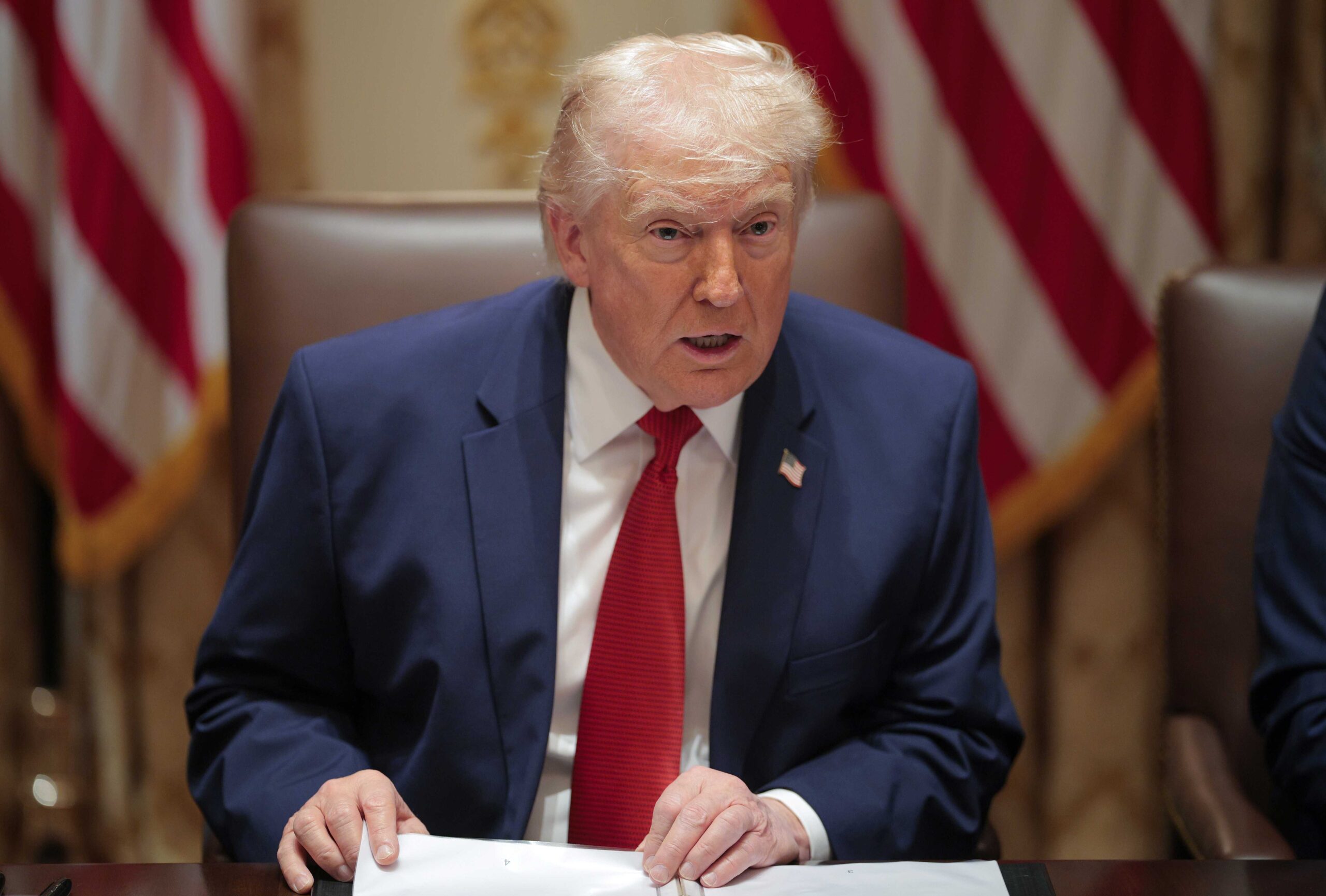
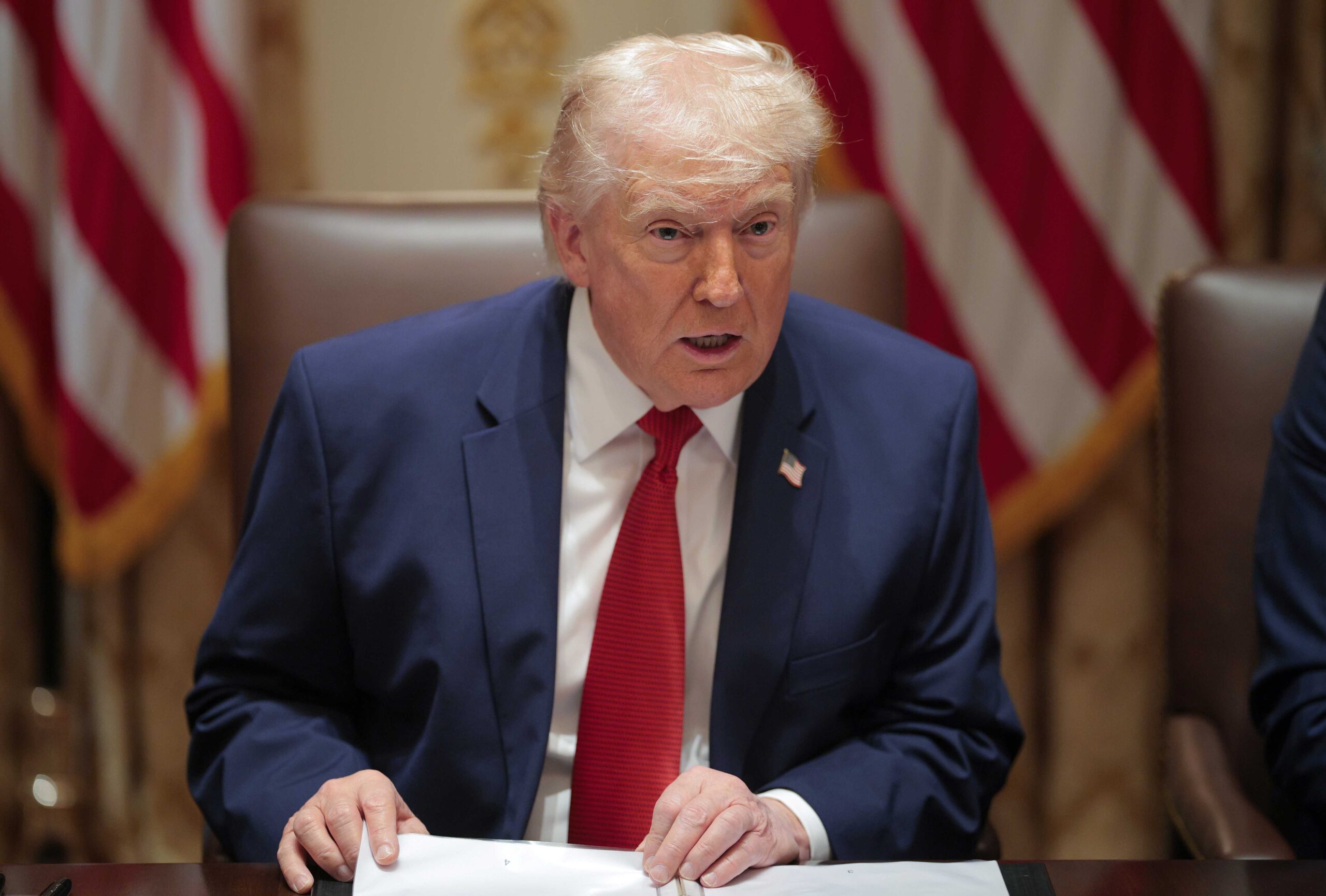
President Donald Trump announced that the United States has signed a memorandum of understanding with Iran, which he said will prevent Tehran from acquiring nuclear weapons and ensure the reopening of the Strait of Hormuz.
“The main thing is that Iran will not have a nuclear weapon. They fully agreed to that, with strong policing powers. And they won’t have a nuclear weapon, which is what it was all about,” Trump said.
Advertisement
Senior administration officials said Iran has agreed to destroy and remove its nuclear material, dismantle its nuclear program, stop funding terrorist groups, and reopen the Strait of Hormuz. Additionally, none of Iran’s funds will be released until it fulfills its commitments under the agreement.
Officials noted that technical details still need to be finalized over the next 60 days, and the text of the MOU could be released within the next 24 to 48 hours. The document could outline how Iran’s compliance will be verified, the consequences of violating the terms, and potential benefits Iran could receive in return.
One key aspect of the agreement is the reopening of the Strait of Hormuz, a vital global shipping lane for oil and gas. Trump said the strait is already partially open, with ships beginning to pass through, and it will be fully operational by Friday.
“And the strait is already partially opened, as you know. They are doing a little hunting for a couple of mines. They’ve already found, but it’s essentially, ships are starting to go out. Now on Friday, it’ll be completely opened,” Trump said.
Friday marks the expected official signing of the MOU, according to the president. However, officials cautioned that while the strait will be open, normalization of shipping traffic may take longer due to factors such as remaining mines, insurance risks and ship crews waiting to see if the deal holds.
Control of the Strait of Hormuz under the agreement remains uncertain. Senior administration officials stated there will be no tolling in the strait during the first 60 days, but they did not rule out the possibility of tolls or fees afterward. Iranian officials have expressed interest in charging fees for ships using the strait.
For families at home, the reopening of the strait could impact gas prices. Markets have already reacted to the prospect of increased oil flow, with oil prices dropping significantly over the past week and gas prices declining for five consecutive weeks.
Experts said gas prices may not return to pre-war levels for months, depending on whether the strait remains open, shipping normalizes, and the MOU holds or evolves into a long-term deal.