
Read the full article on KETV 7
Execution of Boston Italian immigrants still intrigues 99 years later
Sacco and Vanzetti were tried for murder and armed robbery, a conviction still questioned today

Nearly a century ago, two Boston Italian immigrants were executed in a case that fueled global protests and long-lasting conversations about legal reform.
Nicola Sacco and Bartolomeo Vanzetti were sent to the electric chair at Charlestown State Prison in Boston at midnight on Aug. 23, 1927.
Advertisement
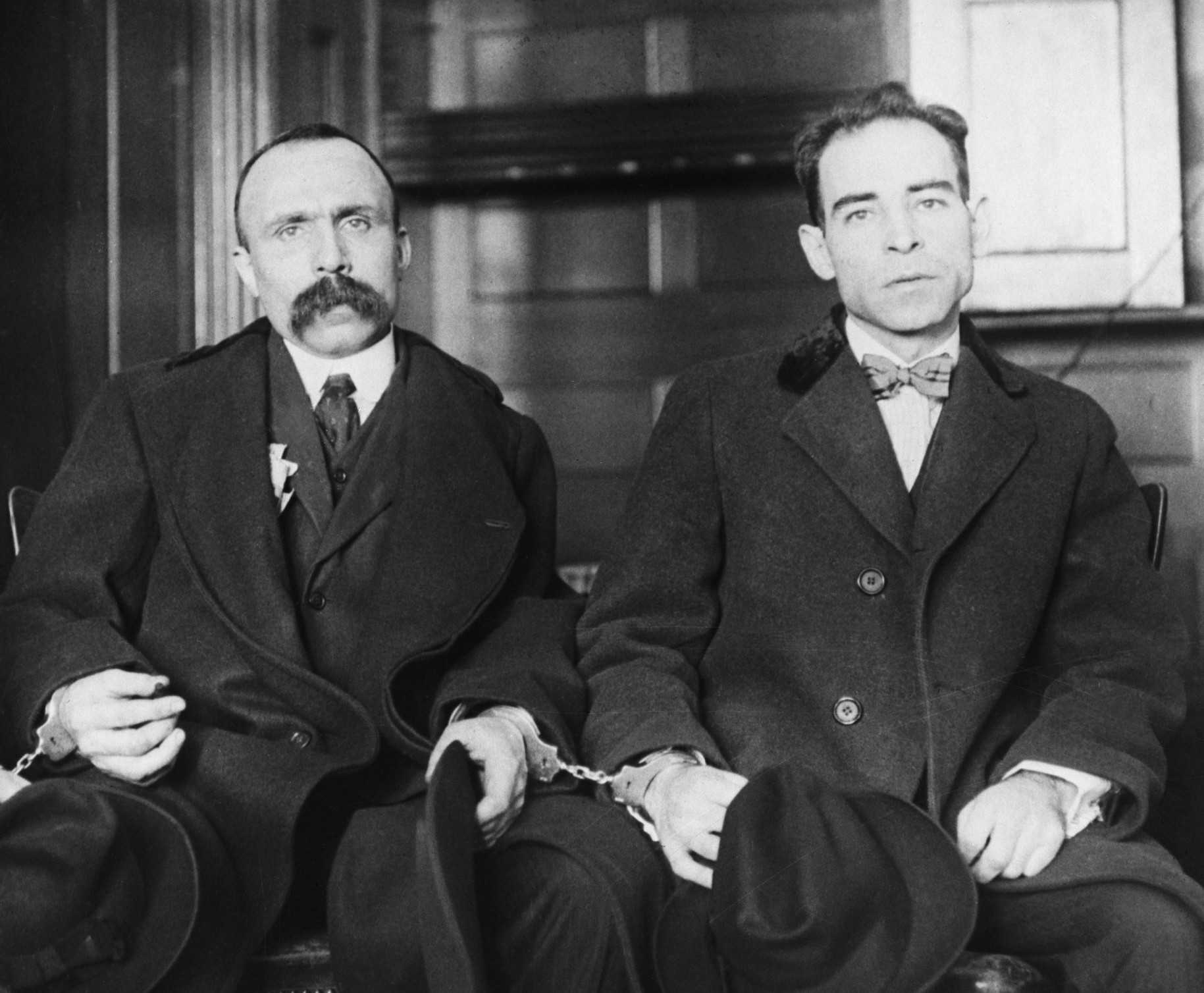
The case came to trial in 1921, when Sacco and Vanzetti were accused and convicted of killing two men in Braintree, Massachusetts, and stealing $15,000 in cash.
Bruce Watson, author of “Sacco and Vanzetti: The Men, the Murders, and the Judgment of Mankind,” said the men’s six years of fighting for justice attracted significant attention. He said most of the protesting came not from America, but from overseas.
“There were protests in every major capital in the world, from Johannesburg to Tokyo, to Buenos Aires, all over Europe,” Watson said.
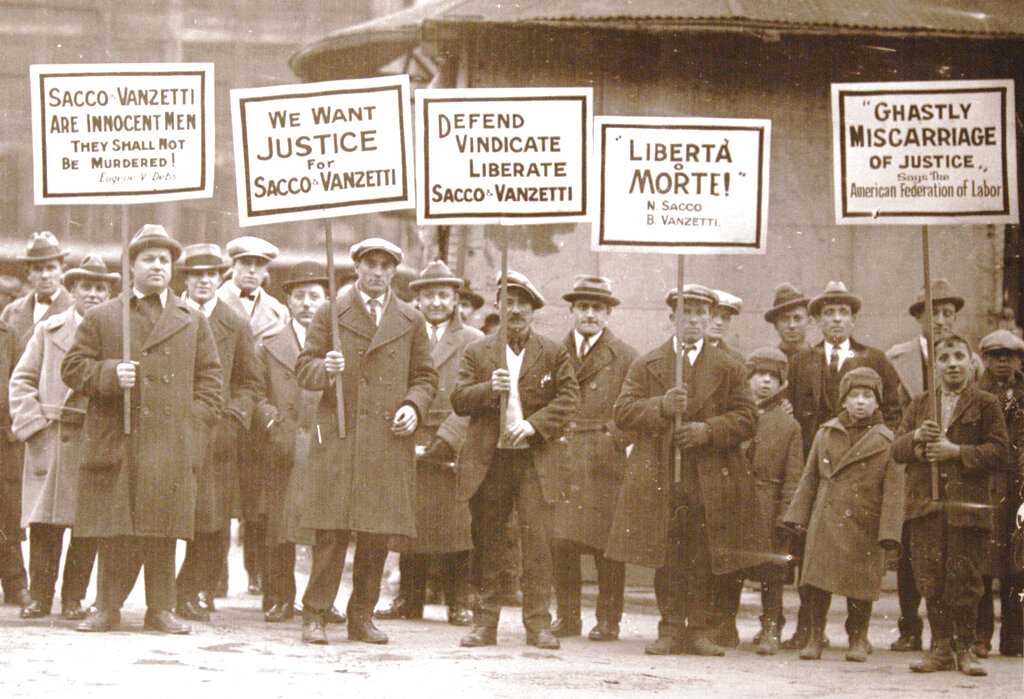
According to Watson, famed journalist Walter Lippmann believed the men to be innocent because of letters they were writing to their families and supporters. Watson said Albert Einstein himself also was protesting in support of the pair, saying, “Even the best planned democratic institutions can make errors.”
Watson said a host of factors, including subornation of a perjury charge against the prosecution, tampering with evidence, and witnesses recanting their testimony, would typically lead to a second trial. Sacco and Vanzetti never got one. Watson said all appeals were seen by the same judge, Webster Thayer, and they were all denied.
According to Watson, Sacco and Vanzetti were found armed when they were taken into custody, and only a single bullet out of four that were found in the victim was tied to Sacco’s gun. Watson claimed that plenty of historians believe that bullet was planted.
In 1926, because of all the doubt, a committee was appointed by the governor of Massachusetts, which included the president of Harvard University, to investigate the trial’s fairness. Watson said the committee determined the trial was fair, and the men were sentenced to death by electric chair.
Fifty years after their deaths, Massachusetts former Gov. Michael Dukakis declared without pardon that Sacco and Vanzetti were unfairly tried and convicted, and their names should no longer be disgraced. A memorial sculpture of the two is displayed in the Boston Public Library. Mayor Thomas Menino said the artwork is meant to remind people of the dangers of miscarried justice, and the right everyone has to a fair trial.
Watson said Sacco and Vanzetti were self-proclaimed anarchists, who were rounding up anarchist literature at the time. This, in part, he claimed, contributed to Sacco and Vanzetti’s quick conviction.
The arrests took place during the post-World War I era, when the nation grappled with anti-immigrant prejudice.
FROM THE ARCHIVES: Chronicle dives deep into the impact of the Sacco and Vanzetti Case
Watson said there are things from this case that are still prevalent in our legal system today.
“An overzealous prosecutor determined to get a conviction no matter what, scant use of evidence, and a high amount of publicity saying someone must pay for this very visible and ugly crime. Those are the ingredients that sent an awful lot of Black men to execution or lynching years ago.” Watson said.
Despite the time passed, Watson believes Sacco and Vanzetti are still on trial and always will be. He believes that as the 100th anniversary comes close, new evidence will appear.