

Read the full article on KETV 7
Full Buck Moon takes over the night sky this week | What to know
The Buck Moon, also known as the Horse Moon, will be visible on Wednesday, July 29
Copy Editor
The full moon falls at the end of the month once again.
Related video above: Nimanmuya (Going Home Moon) rises above the Grand Canyon
Advertisement
Now that we are squarely in summer, it’s time for the Buck Moon of late July. It is so named in North America because this time of summer is when white-tailed deer rapidly regrow their antlers.
Though the name Buck Moon is often claimed to be from the Algonquin Native American tribe, the modern use of the name may actually trace to North American explorer Jonathan Carver’s 1778 book “Travels through the interior parts of North-America in the years 1766, 1767, and 1768.” Carver cited the names for his original list of monthly moons to an unspecified “Indian” tribe.
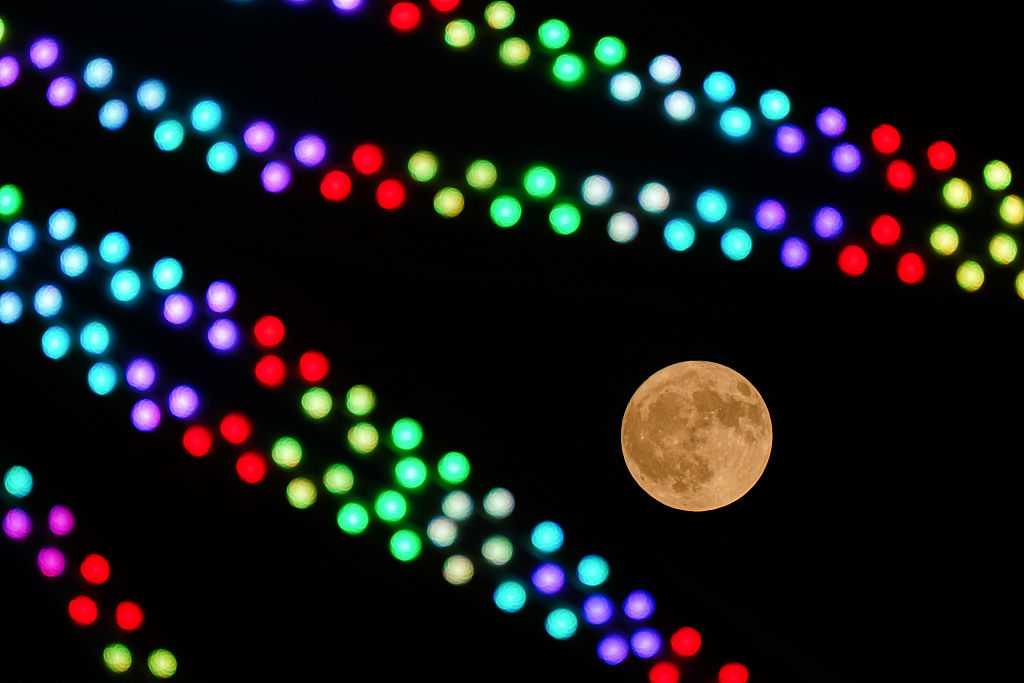
The Buck Moon rises behind a ferris wheel in Mosul, Iraq, on July 10, 2025.
Other Indigenous names for the moon include Midsummer Moon (Kalapuya, Ponca), the Hot Moon (Comanche), the Salmon Moon (Haida, Tlingit, Wishram), the Moon When Squash Are Ripe (Algonquin), and the Going Home Moon (Hopi). It is sometimes also referred to as the Thunder Moon, after summer thunderstorms. The Celtic name for the July Moon is the Horse Moon.
The Buck Moon will be visible on Wednesday, July 29, and reach its peak at 10:35 a.m. EST, according to timeanddate.com.
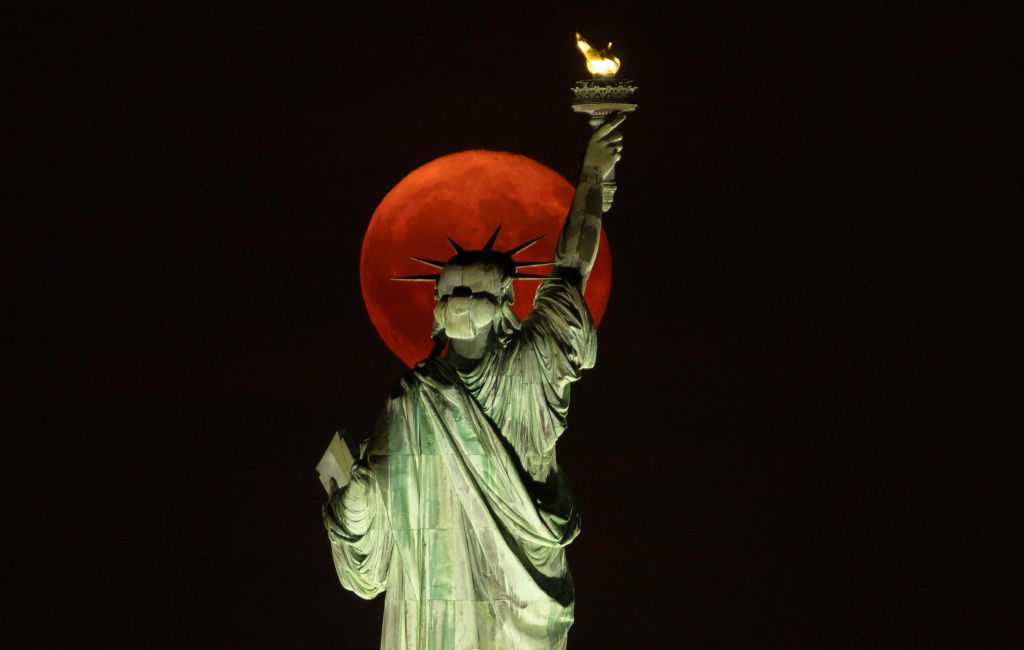
The full Buck Moon rises behind the Statue of Liberty on July 21, 2024, as seen from Jersey City, New Jersey.
Here are some other astronomical events to watch for the rest of the month:
All month — Mars, Saturn (morning)
Mars and Saturn will both be visible in the southeast part of the sky throughout the month. Even though Saturn is much further away, it is bigger and will appear brighter than Mars as you look for them.
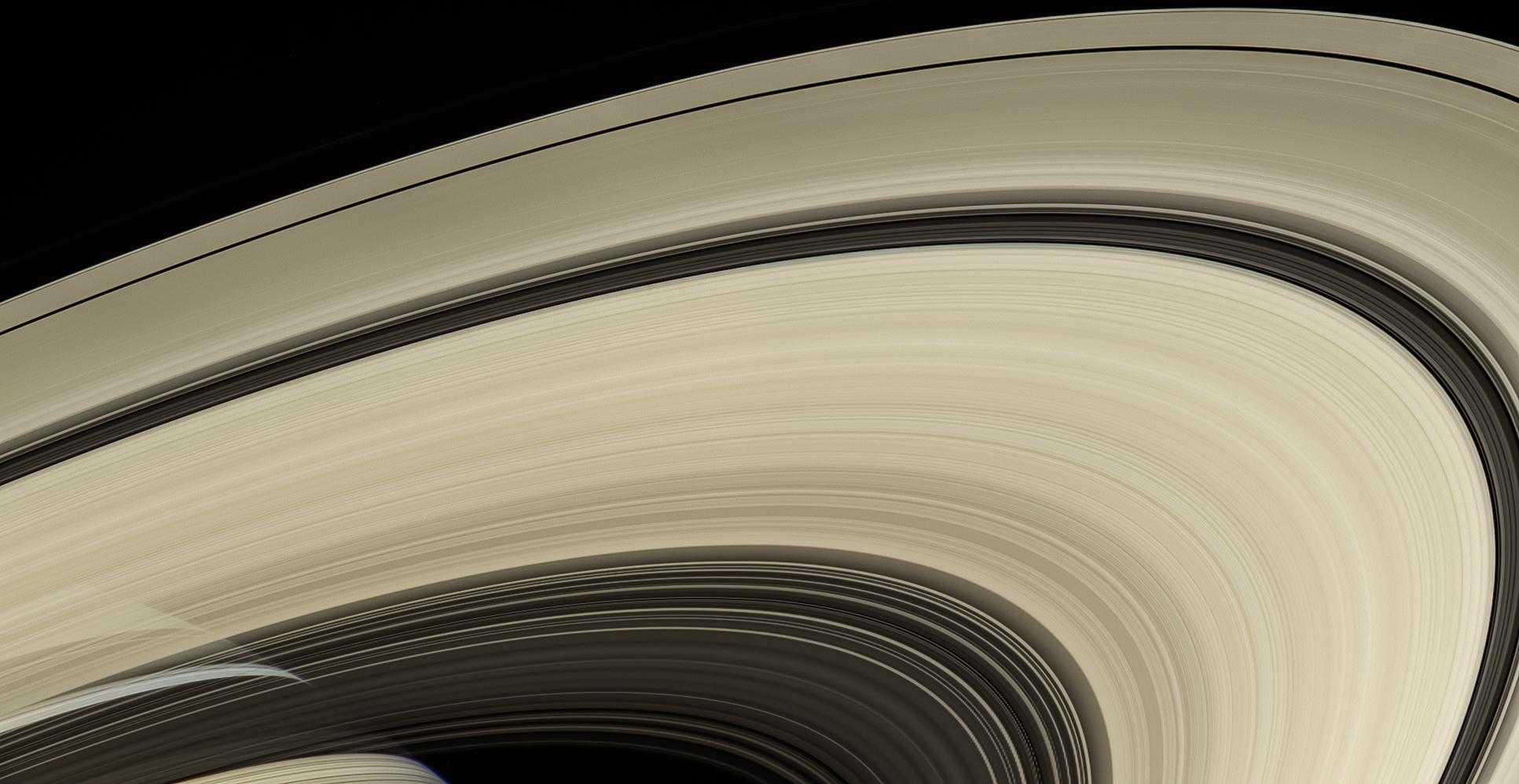
Saturn’s rings photographed by the Cassini spacecraft.
All month — Venus (evening)
Venus will be visible in the evening sky looking West throughout the month, as it rises further each evening.
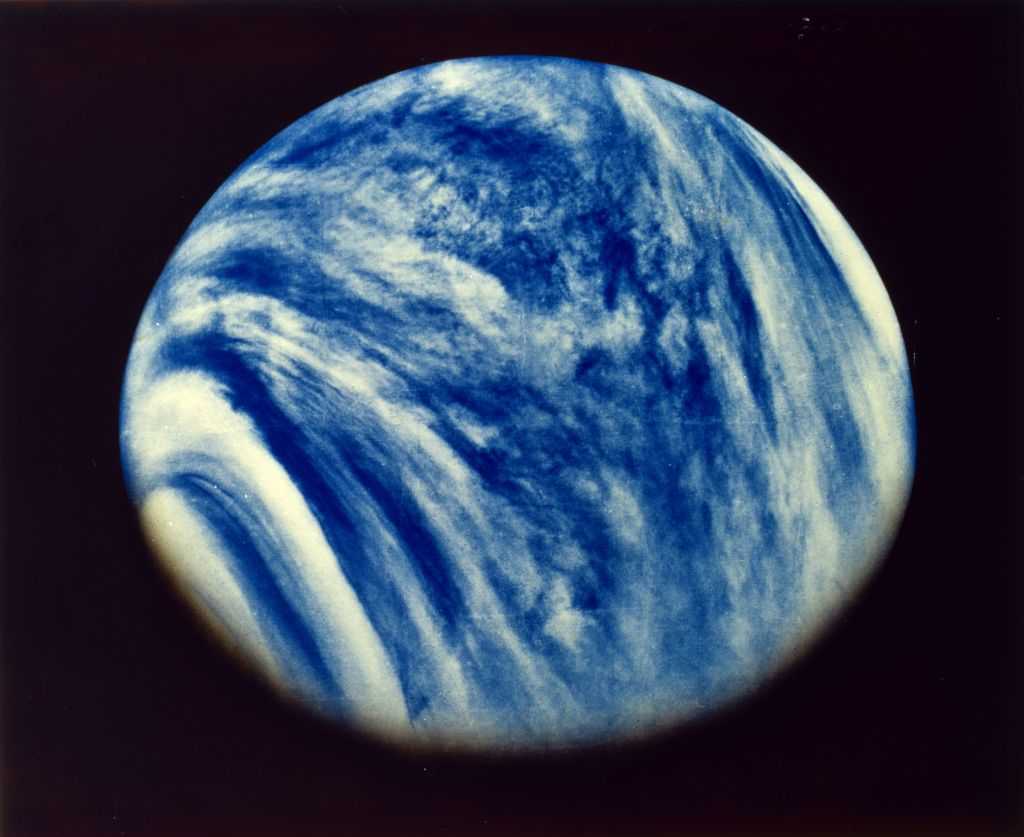
The cloud-covered planet Venus, the second planet from the Sun, photographed by Mariner 10 in 1974.