
Read the full article on KETV 7
‘He couldn’t move, speak or see’: Woman says husband died weeks after tick bite led to rare, deadly virus
‘He couldn’t move, speak or see’: Woman says husband died weeks after tick bite led to deadly virus

A Brewer woman is sharing her story about how her husband died from the rare tick-borne Powassan virus.
Even though health officials said Powassan is considered rare, Maine reported a new case within the last week, bringing the number of cases in the state to three this year.
Advertisement
Nationally, the number of Powassan cases reported to the U.S. Centers for Disease Control and Prevention (CDC) has been trending upwards.
While Powassan may be similar to Lyme disease in that it is spread to people through the bite of an infected tick, it has different symptoms, hits fast and can be deadly.
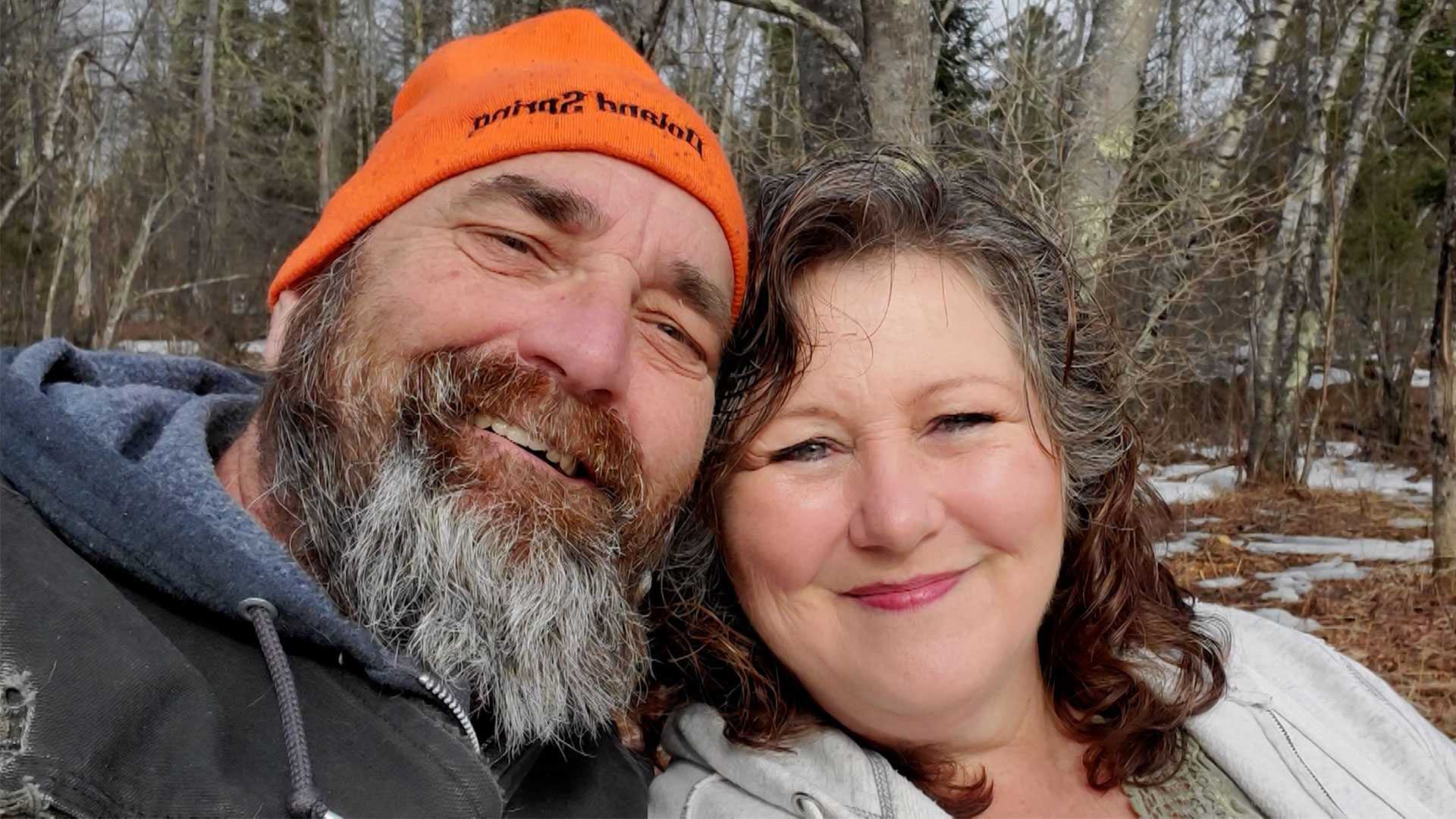
Patti Grover said her late husband, Henry, was being treated for a rare form of lymphoma and doing well on medication before he was admitted to a Bangor hospital on March 4, 2022.
“He had a severe headache. A lot of pain, nauseous and he was starting to feel weak,” Grover said.
Grover said her husband was flown to Massachusetts General Hospital in Boston a week-and-a-half after he was admitted to the hospital in Bangor, and that she saw him rapidly decline right before her eyes.
“When thinking of him lying in a hospital bed, that he can’t move, he can’t speak, he can’t see, it was like he was buried alive,” Grover said. “He and I had promised each other, years ago, that we would never make each other live on a machine.”
Henry Grover died on March 23, 2022, at the age of 61. Patti Grover said doctors did not know what was wrong with her husband, and it wasn’t until after Henry’s death that the family would learn that he was infected with the Powassan virus.
“I had to choose to pull the plug. That’s why I want to share about this, because I wouldn’t wish having to unplug somebody that you love. I wouldn’t wish that on anyone,” she said.
Symptoms of Powassan include severe headache, fever, vomiting, and weakness, and can progress to brain and spinal cord inflammation.
While there are no vaccines or medicines available to prevent or treat Powassan, researchers at MaineHealth’s Vector-Borne Disease Lab in Scarborough are currently studying the disease.