

Read the full article on KETV 7

WELCOME BACK. A NEW BOOK GIVING INSIGHT INTO THE INVESTIGATION INTO THE NOTORIOUS HEIST AT THE ISABELLA STEWART GARDNER MUSEUM. AN INVESTIGATOR INVOLVED IN THE CASE IS SHARING WHY CHARGES NEVER CAME. IT’S BEEN MORE THAN 36 YEARS SINCE 13 PIECES WERE STOLEN FROM THE MUSEUM’S DUTCH ROOM. THEY HAVE STILL NEVER BEEN FOUND. INVESTIGATORS CONSIDERED VARIOUS TS, INCLUDING MEMBERS OF ORGANIZED CRIME, FORMER FBI AGENT JEFF KELLEY BELIEVES THE TWO THIEVES WERE KNOWN CRIMINALS, WHO BOTH LATER DIED UNDER SUSPICIOUS CIRCUMSTANCES. HE ALSO ARGUES THE MUSEUM GUARD COULD HAVE BEEN CHARGED, BUT THE STATUTE OF LIMITATIONS EXPIRED BEFORE THEY COULD BE PURSUED. KELLEY SAYS LIMITED RESOURCES AND GANG VIOLENCE PREVENTED OFFICIALS FROM GETTING DEFINITI
Advertisement
A little over a year ago, the New York City art dealer Robert Rogal received a visit to his private showroom from a young woman who seemed eager to offload a family heirloom.Related video above: Former FBI investigator shares new details about Isabella Stewart Gardner Museum heist, potential suspectsIntroducing herself as Karolina Bankowska, she carried a framed painting signed by Andrew Wyeth, resembling the watercolor landscapes the celebrated artist had completed early in his career. Intrigued, Rogal accepted the piece on consignment, figuring it might fetch between $20,000 and $30,000 at auction.”The provenance was a little fuzzy,” he said. “But she seemed credible. It wasn’t an obvious counterfeit.”In fact, Rogal now believes the painting was a fake — one of at least 200 carefully designed imitations that federal prosecutors say Bankowska, 26, and her father, Erwin Bankowski, 50, tried to pass off to unwitting buyers.On Tuesday, the duo pleaded guilty to defrauding their victims — including some of New York City’s most prominent fine art auction houses — of at least $2 million.The counterfeits, which were forged in Poland by an unnamed co-conspirator, were often reproductions of lesser-known works by prominent and prolific artists, like Banksy and Andy Warhol, prosecutors said. Their most profitable fake, purportedly by the artist Richard Mayhew, was sold by the auction house DuMouchelles last October for $160,000.A representative for DuMouchelles said they had cooperated with federal authorities but were not authorized to discuss the sale further. Several other auction houses targeted in the scheme, including Bonhams, Phillips, Freeman’s and Antique Arena, either declined or did not respond to inquiries.The father and daughter — Polish citizens living in New Jersey — face charges of wire fraud conspiracy and misrepresenting Native American–produced goods, a charge stemming from their duplication of the Luiseño artist Fritz Scholder.They face the possibility of more than three years in prison under federal guidelines, in addition to $1.9 million in restitution and possible deportation to Poland.In court on Tuesday, Bankowska told a judge that her “conduct was wrong and I am guilty.” Her attorney, Todd Spodek, said his client had placed more than $1 million in an escrow account.Through a Polish interpreter, Erwin Bankowski also apologized. His attorney, Jeffrey Chabrowe, added that his client had “regrettably made a terrible decision in an effort to support his family.”As news of the fakes reverberated around the art world, experts described the scheme as a classic of the genre — one that is far more prevalent than some in the industry would like to admit.”The only unusual thing about this case is that the forgers got caught,” said Erin Thompson, a professor of art crime at the City University of New York.”People think of the art world as a genteel place full of cultured people who just want to share the wonder of beautiful art,” she added. “You should assume there are a lot more fakes out there.”Prosecutors said the father and daughter began commissioning a Polish artist in 2020 to create the fake artworks. Using antique paper, they also forged stamps to attach to the paintings, adopting the names of since-shuttered galleries where a given artist might have plausibly shown their work.It wasn’t long before the sales began to draw scrutiny. In March 2023, representatives for the artist Raimonds Staprans caught wind of a forged painting, “Triple Boats,” for sale by an auction house. A few days after the reps contacted the auction house, the painting sold to a buyer for $60,000, prosecutors said.Thompson, the professor of art crime, noticed other irregularities as well. The gallery stamp on the back of the faked Wyeth, for example, listed its year as 1976, but included a zoning address number that had been phased out in 1962.Coincidentally, perhaps, the fake stamp bore the name and address for M. Knoedler & Co. One of New York’s oldest and most esteemed commercial galleries, Knoedler closed down in 2011 amid allegations of profiting from forgeries of paintings by Jackson Pollock, Mark Rothko and others.Ultimately, Rogal said he never listed the Wyeth, in part because the stamp on the back was “too clean.” When he called Bankowska and told her to pick it up, she never responded.On Tuesday, in a Queens warehouse brimming with consigned art pieces, Rogal reexamined the painting under the light.”You try to do a service and provide it correctly,” he said. “Can we be fooled? Absolutely.”
A little over a year ago, the New York City art dealer Robert Rogal received a visit to his private showroom from a young woman who seemed eager to offload a family heirloom.
Related video above: Former FBI investigator shares new details about Isabella Stewart Gardner Museum heist, potential suspects
Advertisement
Introducing herself as Karolina Bankowska, she carried a framed painting signed by Andrew Wyeth, resembling the watercolor landscapes the celebrated artist had completed early in his career. Intrigued, Rogal accepted the piece on consignment, figuring it might fetch between $20,000 and $30,000 at auction.
“The provenance was a little fuzzy,” he said. “But she seemed credible. It wasn’t an obvious counterfeit.”
In fact, Rogal now believes the painting was a fake — one of at least 200 carefully designed imitations that federal prosecutors say Bankowska, 26, and her father, Erwin Bankowski, 50, tried to pass off to unwitting buyers.
On Tuesday, the duo pleaded guilty to defrauding their victims — including some of New York City’s most prominent fine art auction houses — of at least $2 million.
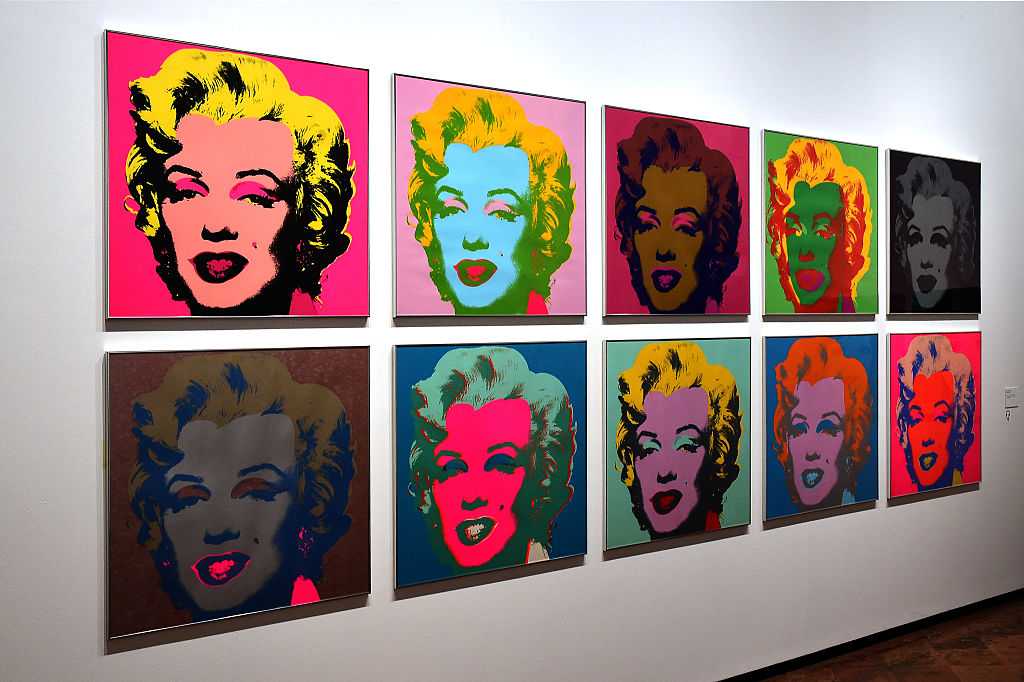
The counterfeits, which were forged in Poland by an unnamed co-conspirator, were often reproductions of lesser-known works by prominent and prolific artists, like Banksy and Andy Warhol, prosecutors said. Their most profitable fake, purportedly by the artist Richard Mayhew, was sold by the auction house DuMouchelles last October for $160,000.
A representative for DuMouchelles said they had cooperated with federal authorities but were not authorized to discuss the sale further. Several other auction houses targeted in the scheme, including Bonhams, Phillips, Freeman’s and Antique Arena, either declined or did not respond to inquiries.
The father and daughter — Polish citizens living in New Jersey — face charges of wire fraud conspiracy and misrepresenting Native American–produced goods, a charge stemming from their duplication of the Luiseño artist Fritz Scholder.
They face the possibility of more than three years in prison under federal guidelines, in addition to $1.9 million in restitution and possible deportation to Poland.
In court on Tuesday, Bankowska told a judge that her “conduct was wrong and I am guilty.” Her attorney, Todd Spodek, said his client had placed more than $1 million in an escrow account.
Through a Polish interpreter, Erwin Bankowski also apologized. His attorney, Jeffrey Chabrowe, added that his client had “regrettably made a terrible decision in an effort to support his family.”
As news of the fakes reverberated around the art world, experts described the scheme as a classic of the genre — one that is far more prevalent than some in the industry would like to admit.
“The only unusual thing about this case is that the forgers got caught,” said Erin Thompson, a professor of art crime at the City University of New York.
“People think of the art world as a genteel place full of cultured people who just want to share the wonder of beautiful art,” she added. “You should assume there are a lot more fakes out there.”
Prosecutors said the father and daughter began commissioning a Polish artist in 2020 to create the fake artworks. Using antique paper, they also forged stamps to attach to the paintings, adopting the names of since-shuttered galleries where a given artist might have plausibly shown their work.
It wasn’t long before the sales began to draw scrutiny. In March 2023, representatives for the artist Raimonds Staprans caught wind of a forged painting, “Triple Boats,” for sale by an auction house. A few days after the reps contacted the auction house, the painting sold to a buyer for $60,000, prosecutors said.
Thompson, the professor of art crime, noticed other irregularities as well. The gallery stamp on the back of the faked Wyeth, for example, listed its year as 1976, but included a zoning address number that had been phased out in 1962.
Coincidentally, perhaps, the fake stamp bore the name and address for M. Knoedler & Co. One of New York’s oldest and most esteemed commercial galleries, Knoedler closed down in 2011 amid allegations of profiting from forgeries of paintings by Jackson Pollock, Mark Rothko and others.
Ultimately, Rogal said he never listed the Wyeth, in part because the stamp on the back was “too clean.” When he called Bankowska and told her to pick it up, she never responded.
On Tuesday, in a Queens warehouse brimming with consigned art pieces, Rogal reexamined the painting under the light.
“You try to do a service and provide it correctly,” he said. “Can we be fooled? Absolutely.”