

Read the full article on KETV 7
President Trump hints at Iran deal over the Strait of Hormuz this week
WASHINGTON —
President Donald Trump said an agreement to reopen the Strait of Hormuz could be finalized as soon as this week. A new deal has the potential to ease U.S. gas prices and address ongoing tensions with Iran.
The proposed deal, according to two regional officials who spoke to The Associated Press, has been finalized in draft form and is awaiting approval from Iran’s supreme leader. Iran’s foreign ministry also stated that its agreement with Oman is in the final stage of drafting.
Advertisement
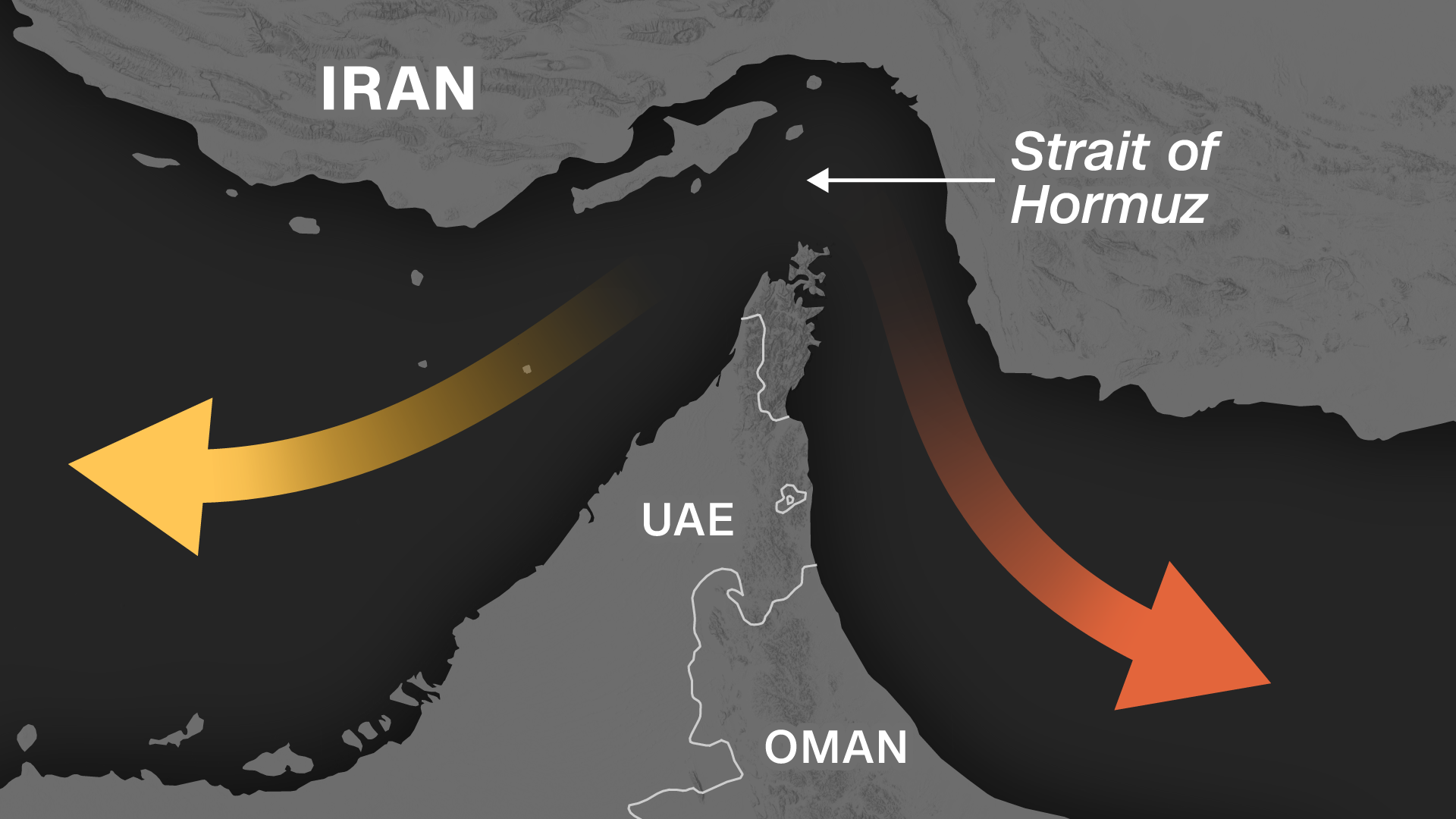
The deal would be temporary. The officials earlier said it would involve ships entering the Persian Gulf via an Iranian-controlled route, while ships leaving would use an Omani-controlled route. Service fees would be charged under the proposal, which appears to conflict with the Trump administration’s public position that Iran should not control the waterway or charge fees.
The agreement is also likely to depend on the U.S. lifting its blockade of Iranian ports. That means one or both sides would have to retreat from previously stated positions. Iran has insisted it will retain some control over the strait, while the Trump administration has rejected any agreement that would cement that control.
Trump previously said, “I’m not going to let them charge.” Secretary of State Marco Rubio has also stated that no country is allowed to charge tolls or fees on an international waterway. However, officials said the proposed fees would be for providing security and preserving the maritime environment. Those proposed fees have raised questions about whether they are effectively tolls under a different name.
The deal could also pave the way for the U.S. and Tehran to restart negotiations over Iran’s nuclear program. However, challenges remain, as attacks on regional shipping continue and a similar agreement collapsed in June. The real test will be whether commercial ships can safely return to the waterway, potentially easing pressure on fuel prices.
If the deal falls through, shipping through the strait is likely to remain depressed, keeping pressure on oil, gas and other consumer prices. Additionally, there is a military risk. President Trump has threatened further strikes if diplomacy fails.
See where negotiations stand: