

Read the full article on KETV 7
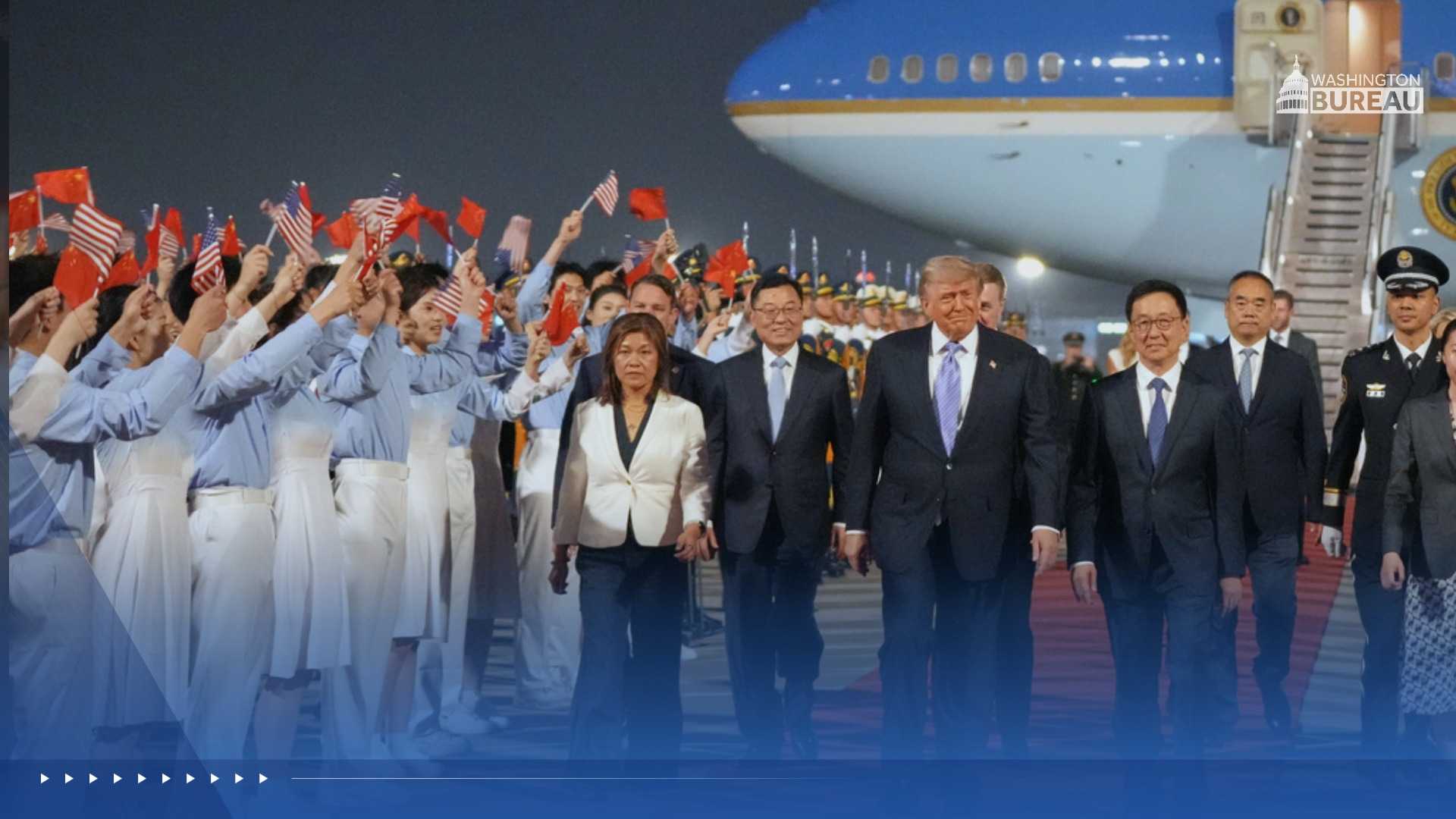
China has *** close economic relationship with Iran, and President Trump wants Chinese President Xi Jinping to use that as leverage to push Tehran towards *** deal. Now, as the war is pushing up gas prices here at home, President Donald Trump said that is not *** factor in his decision making when it comes to the war, not even *** little bit. The only thing that matters when I’m talking about Iran, they can’t have *** nuclear weapon. I don’t think about. Americans’ financial situation, I don’t think about anybody. I think about one thing we cannot let Iran have *** nuclear weapon. For many Americans, the most immediate impact of the war is at the gas pump. Prices have surged as the war has disrupted oil from flowing through the Strait of Hormuz, which normally transports about 20% of the world’s oil. China is the biggest buyer of Iranian oil, giving Chinese President Xi Jinping incentive to reopen the waterway. But so far China has been cautious. Beijing says it wants to end the war, but it has not shown much interest in siding openly with Washington. There’s also new tension between the two countries. The US recently sanctioned several China-based firms, accusing them of helping Iran’s. Beijing called those sanctions illegal. Now the White House is setting low expectations when it comes to *** major breakthrough on Iran during the president’s visit. The White House says it’s one of many topics the pair will discuss at the White House. I’m Christopher Sales.
Advertisement
President Trump’s China trip could affect prices, farmers and US businesses
President Trump’s diplomatic trip to China includes discussions on trade, tariffs, and supply chains, with potential impacts on American farmers, manufacturers, and consumer costs.

President Donald Trump’s meeting with Chinese President Xi Jinping could have consequences far beyond Beijing, impacting what American farmers sell, what U.S. companies can access, and what families pay for everyday goods.The president’s motorcade is scheduled to arrive at the Great Hall of the People just before 10 p.m. Eastern for the expanded bilateral meeting. While the war in Iran is expected to be a significant topic, trade and economic issues will also be a major focus.The U.S. is seeking to stabilize its economic relationship with China following a trade truce announced in October. The U.S. wants China to purchase more American products, such as soybeans, beef, and airplanes. At the same time, Americans buy a substantial amount of goods from China, including phones, laptops, appliances, clothes, and toys. The U.S. imports more than $300 billion worth of goods from China annually, with a current tariff rate of about 24%, according to a recent Atlantic Council analysis. The Dallas Federal Reserve estimated tariff collections increased March 2026 core PCE inflation by about 0.80 percentage points and said the main impact was through goods prices. Additionally, new Labor Department data showed wholesale prices rose 6% over the past year, the biggest increase since late 2022.The trade fight goes beyond what people buy at the store. China has cut off access to some rare earth minerals U.S. manufacturers need for products ranging from smartphones to fighter jets.A group of top U.S. CEOs from industries such as technology, agriculture, and aerospace is accompanying President Trump on this trip. Key questions include whether China will commit to buying more American goods, which could benefit farmers, manufacturers, and companies seeking access to the Chinese market. Another focus is whether both sides can prevent the trade conflict from reigniting. Experts suggest that removing tariffs on Chinese goods could help lower prices for American consumers. Farmers are closely watching the outcome of these discussions. Last year, China stopped purchasing soybeans, which was a significant blow to American soybean farmers. Although China resumed soybean purchases after the trade truce, U.S. soybean exports to China still dropped by 75% in 2025.
President Donald Trump’s meeting with Chinese President Xi Jinping could have consequences far beyond Beijing, impacting what American farmers sell, what U.S. companies can access, and what families pay for everyday goods.
Advertisement
The president’s motorcade is scheduled to arrive at the Great Hall of the People just before 10 p.m. Eastern for the expanded bilateral meeting. While the war in Iran is expected to be a significant topic, trade and economic issues will also be a major focus.
The U.S. is seeking to stabilize its economic relationship with China following a trade truce announced in October. The U.S. wants China to purchase more American products, such as soybeans, beef, and airplanes. At the same time, Americans buy a substantial amount of goods from China, including phones, laptops, appliances, clothes, and toys.
The U.S. imports more than $300 billion worth of goods from China annually, with a current tariff rate of about 24%, according to a recent Atlantic Council analysis. The Dallas Federal Reserve estimated tariff collections increased March 2026 core PCE inflation by about 0.80 percentage points and said the main impact was through goods prices.
Additionally, new Labor Department data showed wholesale prices rose 6% over the past year, the biggest increase since late 2022.
The trade fight goes beyond what people buy at the store. China has cut off access to some rare earth minerals U.S. manufacturers need for products ranging from smartphones to fighter jets.
A group of top U.S. CEOs from industries such as technology, agriculture, and aerospace is accompanying President Trump on this trip.
Key questions include whether China will commit to buying more American goods, which could benefit farmers, manufacturers, and companies seeking access to the Chinese market. Another focus is whether both sides can prevent the trade conflict from reigniting. Experts suggest that removing tariffs on Chinese goods could help lower prices for American consumers.
Farmers are closely watching the outcome of these discussions. Last year, China stopped purchasing soybeans, which was a significant blow to American soybean farmers. Although China resumed soybean purchases after the trade truce, U.S. soybean exports to China still dropped by 75% in 2025.