
Read the full article on KETV 7

With gas prices rising, the financial sting doesn’t end at the pump. There are signs rising gas costs could hit grocery bills, pushing them even higher. Grocery prices have surged about 31 percent since 2019. To put it into context, a $100 grocery bill then costs around $131 today. If you apply that to the entire year, the cost adds up. Need help saving? Our four-step guide can help cut down your grocery bill. Step one: Check what you already haveStep one starts right at home. Go through your pantry and fridge and make a running inventory with details of each item that include the item’s name, the quantity, the location, and the expiration date. You can also use an AI tool like ChatGPT to generate an inventory list. Once you have identified what items you have, prioritize cooking anything that is about to expire. You can take photos of your produce that needs to be cooked soon and prompt your AI tool to build a meal plan using that specific ingredient. Keeping track of what you already have in your kitchen will prevent you from overbuying and food waste. Food waste can cost a household of four around $3,000 a year, according to the Environmental Protection Agency. Step two: Plan accordinglyStep two is to make a plan based on your work from step one. A quick and easy hack is to use an AI tool. Take pictures of the items in your pantry, fridge and freezer. Download your grocery stores’ weekly advertisements, most of which can be found online.Then, upload all of these photos into ChatGPT and prompt it using something like this:”Create a healthy, low cost dinner plan for the week for people, based on what I already have in my fridge and pantry and what I can inexpensively buy from my local grocery store.” Once you submit the prompt, it will generate a plan for you. It’s important to note that the plan may not be perfect, so you may need to tweak it. The more detailed the prompt, the more personal the plan.Step three: Hit the grocery store Be strategic when you hit the grocery store. Buy store brands over name brands for maximum savings. You can also shave off extra costs by choosing frozen produce over fresh, without cutting nutrition. Frozen produce is typically harvested at peak ripeness and quickly frozen, which helps preserve nutrients. Avoid going to the grocery store hungry so you can skip the urge to impulse buy. This tip may seem obvious, but it is actually helpful. Step four: Put away your groceries correctlyThe final step is to make sure you put your groceries away correctly. Move older items to the front of your fridge so you use them first. Properly store your produce so it doesn’t go bad. You can also use the FoodKeeper App, created by the U.S. Department of Health and Human Services, where you can type in your grocery item and it will give you tips on storage. Food assistance resourcesIf you’re concerned about food affordability, call 2-1-1 or the U.S. Department of Agriculture’s Hunger Hotline at 1-866-3-HUNGRY (1-866-348-6479) to be connected with local food assistance resources. You can also contact your local Supplemental Nutrition Assistance Program (SNAP) office to get more information about SNAP and apply for benefits.
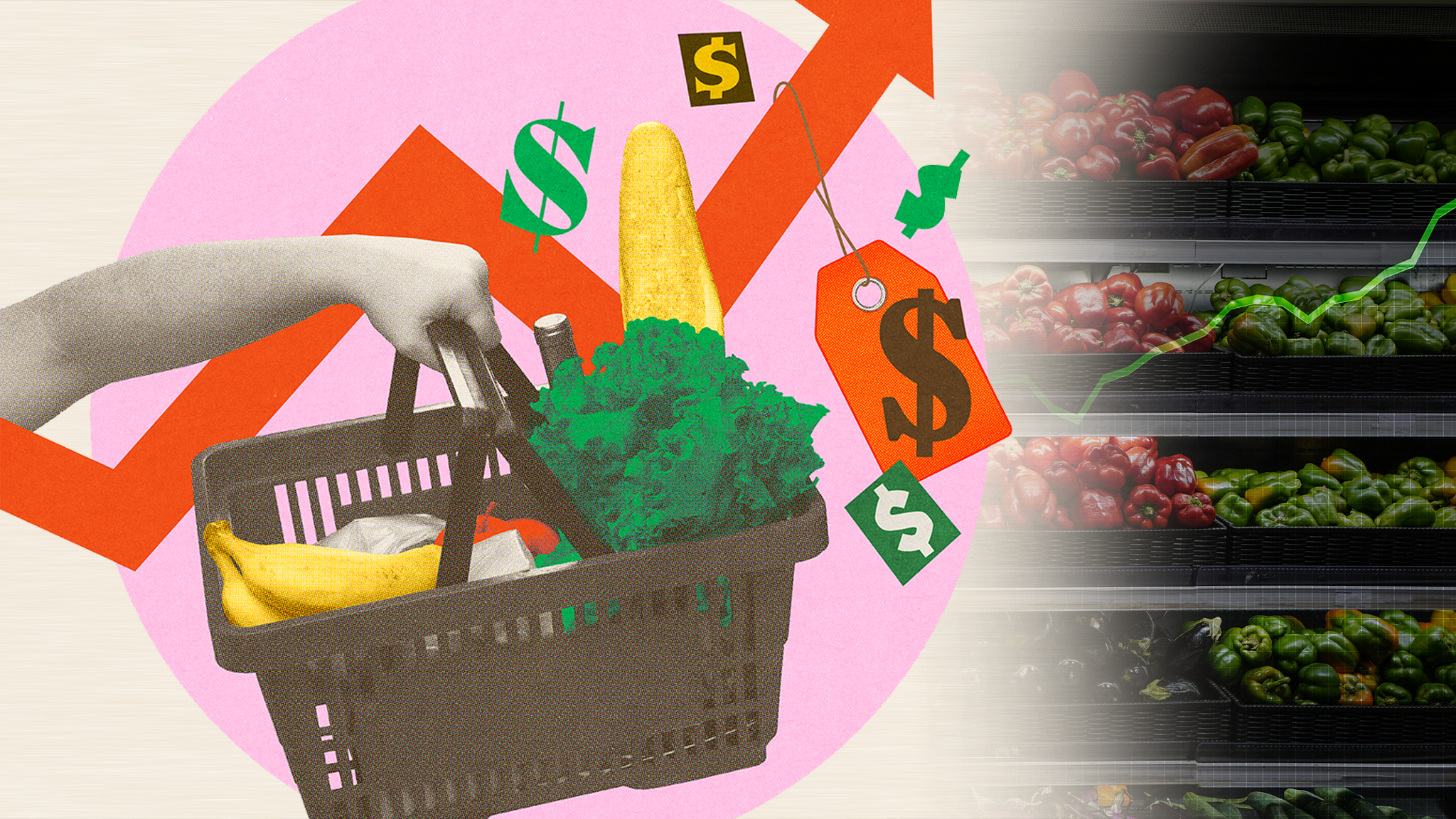
With gas prices rising, the financial sting doesn’t end at the pump. There are signs rising gas costs could hit grocery bills, pushing them even higher.
Grocery prices have surged about 31 percent since 2019. To put it into context, a $100 grocery bill then costs around $131 today. If you apply that to the entire year, the cost adds up.
Advertisement
Need help saving? Our four-step guide can help cut down your grocery bill.
Step one: Check what you already have
Step one starts right at home. Go through your pantry and fridge and make a running inventory with details of each item that include the item’s name, the quantity, the location, and the expiration date.
You can also use an AI tool like ChatGPT to generate an inventory list.
Once you have identified what items you have, prioritize cooking anything that is about to expire.
You can take photos of your produce that needs to be cooked soon and prompt your AI tool to build a meal plan using that specific ingredient.
Keeping track of what you already have in your kitchen will prevent you from overbuying and food waste.
Food waste can cost a household of four around $3,000 a year, according to the Environmental Protection Agency.
Step two: Plan accordingly
Step two is to make a plan based on your work from step one. A quick and easy hack is to use an AI tool.
Take pictures of the items in your pantry, fridge and freezer. Download your grocery stores’ weekly advertisements, most of which can be found online.
Then, upload all of these photos into ChatGPT and prompt it using something like this:
“Create a healthy, low cost dinner plan for the week for [household number] people, based on what I already have in my fridge and pantry and what I can inexpensively buy from my local grocery store.”
Once you submit the prompt, it will generate a plan for you. It’s important to note that the plan may not be perfect, so you may need to tweak it. The more detailed the prompt, the more personal the plan.
Step three: Hit the grocery store
Be strategic when you hit the grocery store. Buy store brands over name brands for maximum savings.
You can also shave off extra costs by choosing frozen produce over fresh, without cutting nutrition.
Frozen produce is typically harvested at peak ripeness and quickly frozen, which helps preserve nutrients.
Avoid going to the grocery store hungry so you can skip the urge to impulse buy. This tip may seem obvious, but it is actually helpful.
Step four: Put away your groceries correctly
The final step is to make sure you put your groceries away correctly.
Move older items to the front of your fridge so you use them first. Properly store your produce so it doesn’t go bad.
You can also use the FoodKeeper App, created by the U.S. Department of Health and Human Services, where you can type in your grocery item and it will give you tips on storage.
Food assistance resources
If you’re concerned about food affordability, call 2-1-1 or the U.S. Department of Agriculture’s Hunger Hotline at 1-866-3-HUNGRY (1-866-348-6479) to be connected with local food assistance resources.
You can also contact your local Supplemental Nutrition Assistance Program (SNAP) office to get more information about SNAP and apply for benefits.