Read the full article on KETV 7
Food recalls are easy to miss. Here’s how to protect your kitchen
You check expiration dates, but are you checking for recalls? Many shoppers never get a warning before recalled products end up in their kitchens. Here’s how to stay ahead.
Producer/Editor, Special Projects
Most of us do the same thing before buying bagged salad, opening a carton of milk or cooking dinner. We check the expiration date.
It seems like that should be enough. But freshness and food safety are not always the same thing. An expiration date tells you how fresh a food is, not whether it has been recalled.
Advertisement
A product can still be well within its best-by date and be on a recall list. And you might never know.
By the time a recall is announced, that food could already be sitting in your refrigerator, freezer or pantry. Some grocery stores may notify customers who purchased a recalled product through a loyalty program, store app or online order, but those alerts are not guaranteed.
That’s why it’s worth knowing how to check recalls yourself and what to do if you discover one of the foods already sitting in your kitchen has been recalled.
Why your grocery store may not warn you
It’s easy to assume your grocery store will let you know if something you bought gets recalled. But that does not always happen.
You may not receive a notification if:
- You paid with cash.
- You did not use a loyalty account.
- You bought the item from a third-party seller.
- The store does not have your current email address or phone number.
- The retailer does not send direct notifications for that particular recall.
Store alerts are helpful when they happen, but they should not be your only way of finding out about a recalled product.
Why food recalls happen
Not every recall happens for the same reason.
Sometimes testing finds harmful bacteria or parasites. Other times, a company discovers an undeclared allergen or even a foreign object inside the product.
The most common reasons include:
Harmful bacteria or parasites
Food may be contaminated with Listeria, E. coli or Salmonella, or parasites such as Cyclospora. These contaminants can cause foodborne illness and, in some cases, serious complications.
Foreign objects
Occasionally, products are recalled because they may contain materials that do not belong in food, including glass, plastic, metal or other debris.
Undeclared allergens
Some recalls happen because a product contains a major allergen that is not listed on the label.
For someone with a food allergy, even a small amount of an undeclared allergen can cause a severe or life-threatening reaction.
Foods frequently involved in recalls
You might be surprised by what’s on the recall list. Many recalls involve foods people buy every week, including:
- Bagged salads
- Deli meat
- Cheese and other dairy products
- Fresh produce, including cucumbers and leafy greens
- Frozen meals
- Eggs
- Ground meat and poultry
- Fresh-cut fruit and vegetables
- Peanut butter and other nut products
- Packaged snacks like cookies, chips and crackers
How to check if food in your kitchen is recalled
So you saw a headline that something in your fridge was recalled. Before you throw everything away, grab the package from your kitchen.
Do not assume every similar product is affected. Most recalls apply only to certain production runs.
Compare the recall notice with the package in your kitchen. Check the:
- Brand name
- Product name
- Package size
- UPC
- Lot number or lot code
- Best-by, use-by or expiration date
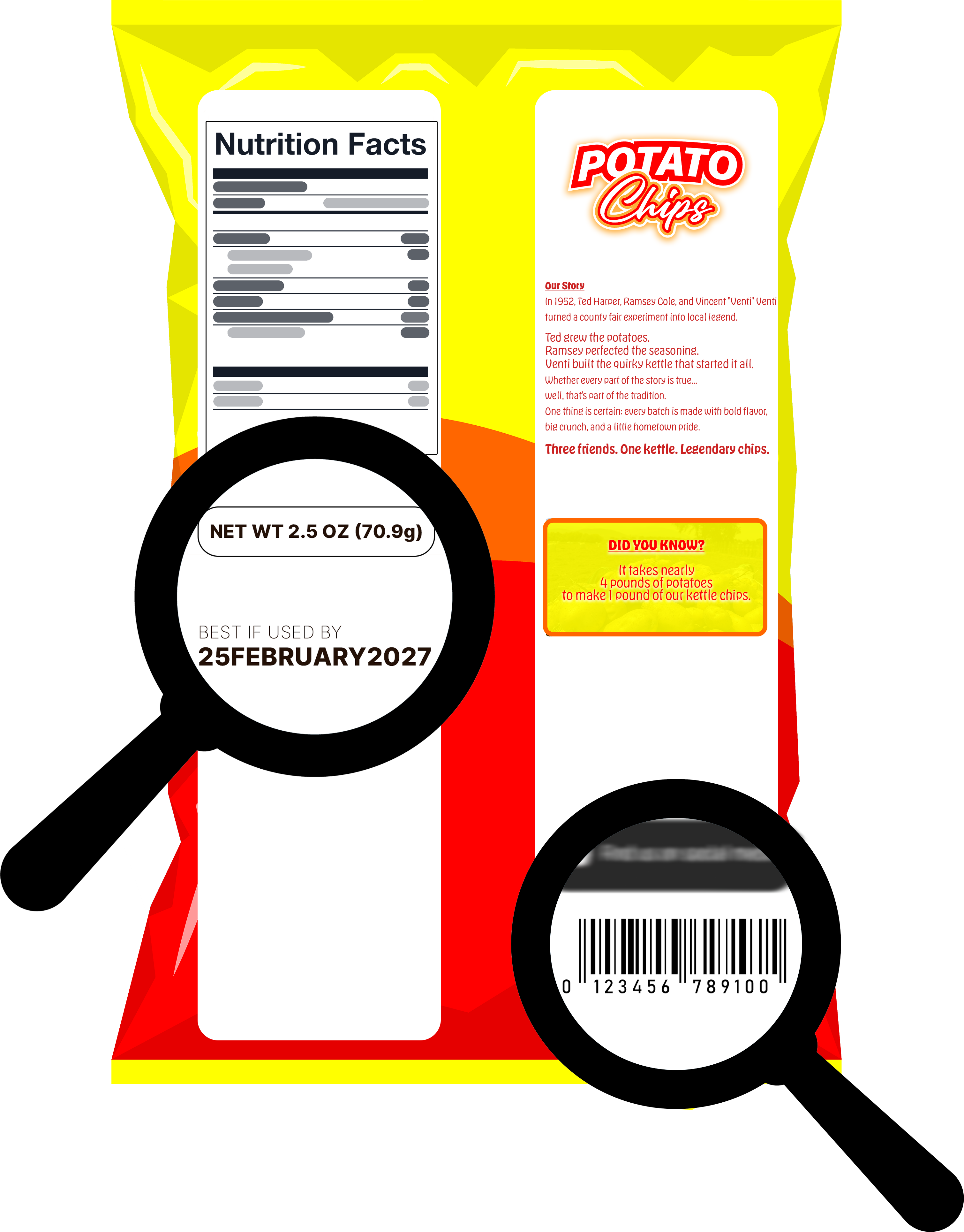
The UPC, lot code and date are especially important because manufacturers often recall only specific batches, not every package on store shelves.
And remember, a product can still be within its expiration date and still be recalled.
What to do if you have recalled food
If your product matches the recall notice:
- Do not eat it.
- Follow the instructions in the recall notice.
- Throw it away, return it to the store or contact the manufacturer if instructed.
- Never donate recalled food.
- Take a photo of the package and label before throwing it away in case you need proof for a refund.
- Clean and sanitize any shelves, containers or surfaces the food touched.
What if you already ate recalled food?
If you already ate the recalled food, do not panic.
Eating a recalled product does not always cause illness, but you should watch for symptoms. Depending on the contaminant, they may appear within hours or even weeks. Do not rely on how the food looked, smelled or tasted. Recalled food often shows no visible signs of contamination.
If your product matches the recall notice, follow the instructions provided and do not eat any more of it.
Symptoms vary depending on the contaminant but may include:
- Nausea
- Vomiting
- Diarrhea
- Fever
- Stomach cramps
- Muscle aches
- Signs of dehydration, including dizziness, dry mouth or decreased urination
If you become sick after eating recalled food, contact a health care provider.
Some people are more likely to develop serious illness, including young children, older adults, pregnant people and those with weakened immune systems. People with food allergies should also pay close attention to recalls involving undeclared allergens.
How to stay ahead of food recalls
You do not have to check every government website every day. But a few simple steps can help you catch recalls faster.
Sign up for federal recall alerts
The Food and Drug Administration offers free email updates, including food recall and safety information. The FDA generally oversees many packaged foods, produce, seafood, dairy products and shell eggs.
The USDA Food Safety and Inspection Service handles recalls involving meat, poultry and certain egg products.
Bookmark official recall websites
If you want to verify whether a product has been recalled, these are the best places to check:
Keep your grocery account updated
If you use a grocery store app, loyalty account or online ordering service, make sure your email address and phone number are current.
Store alerts are not guaranteed, but updated contact information gives you a better chance of receiving one.
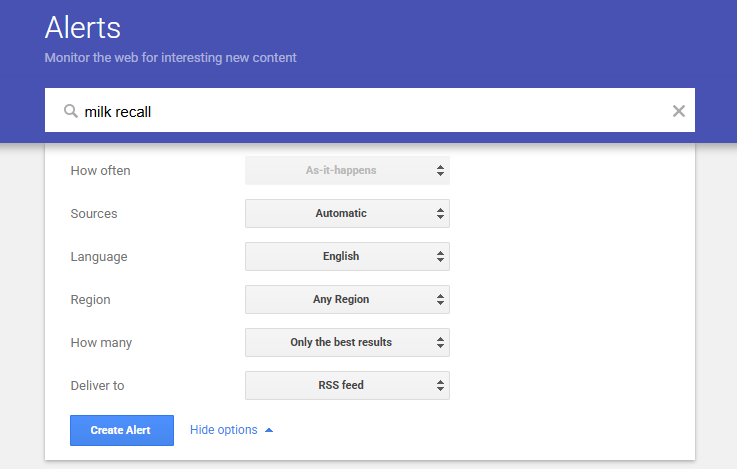
Set up Google Alerts
If you regularly buy certain foods or brands, or avoid specific allergens, Google Alerts can notify you when new recall information is released.
Some examples include:
- “peanut recall”
- “egg allergy recall”
- “deli meat recall”
- “milk recall”
- “baby formula recall”
How to clean your refrigerator after a recall
The Centers for Disease Control and Prevention recommends throwing away the recalled food and any food that came into contact with it. Wash reusable containers, shelves and drawers with hot, soapy water, then wipe down the inside of the refrigerator. If you choose, you can sanitize surfaces afterward using a solution of 1 tablespoon of liquid bleach mixed with 1 gallon of water.
Wash your hands, along with any utensils, towels and countertops that came into contact with the recalled food.
Cleaning the refrigerator after a recall can help reduce the risk of cross-contamination.
Don’t forget about pet food
Food recalls are not limited to products for people.
Pet food and treats are also recalled because of harmful bacteria, mold, foreign objects, elevated vitamin levels or undeclared ingredients.
If your dog or cat eats the same brand regularly, consider signing up for pet food recall alerts. It is one more simple way to help keep them safe.