
Read the full article on KETV 7
The FCC just banned most robot vacuums. Here’s what that means if you own one
Reviews Editor

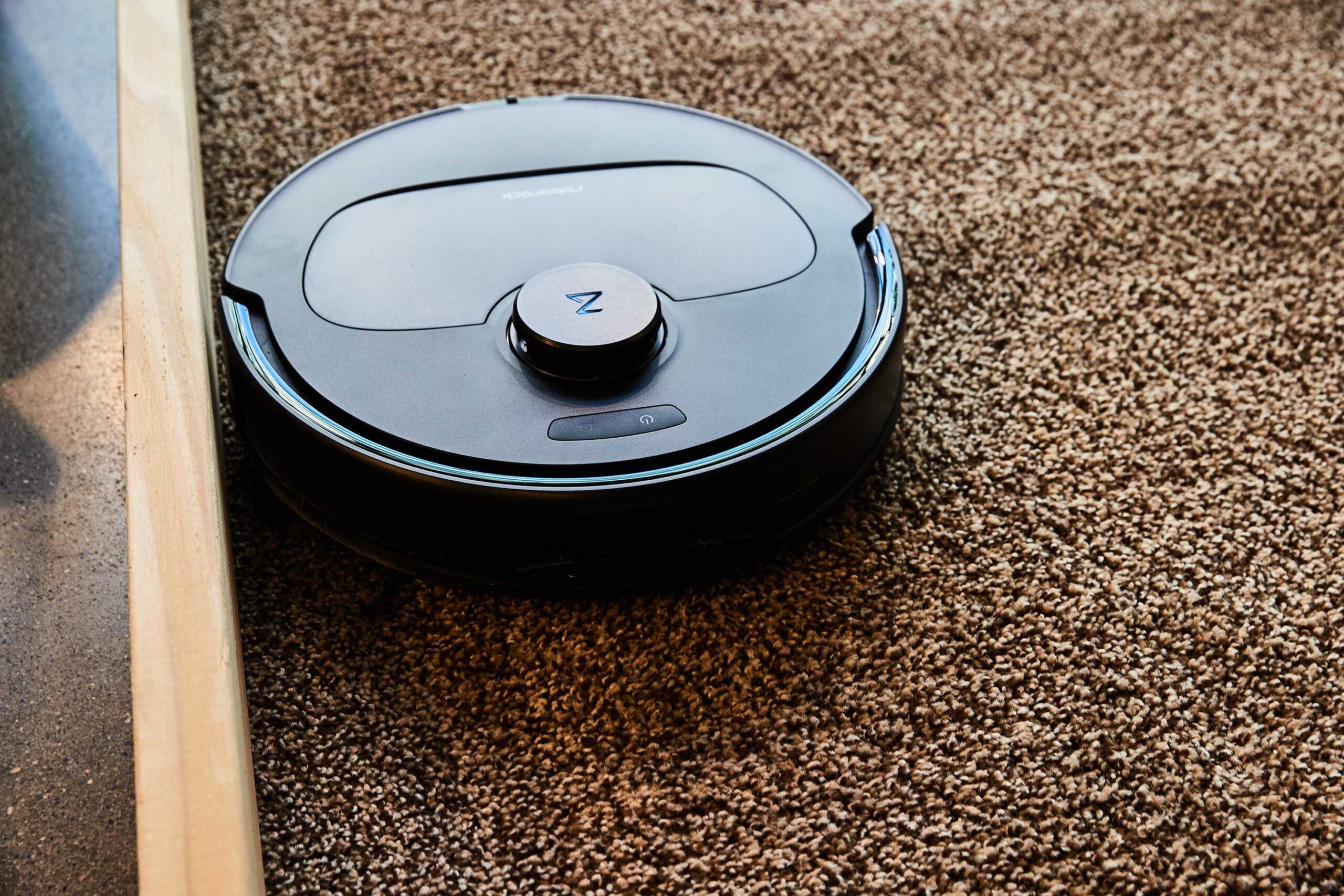
First was the crackdown on hobbyist drones. Now, robot vacuums are finding themselves in the FCC’s crosshairs. In the latest expansion of the agency’s “Covered List,” the Federal Communications Commission has classified certain foreign-produced “advanced robotic devices” as a risk to national security.
That broad definition doesn’t just apply to humanoids and quadrupeds. It also encapsulates many of today’s WiFi-connected robot vacuums, along with robot lawn mowers and pool cleaners.
Advertisement
If you’re worried about whether your robot vacuum is banned, don’t panic. The change in rules primarily affects future products seeking FCC approval to be sold in the United States, not the ones already mapping and cleaning your floors. But it could be harder to acquire newer, more updated models from top-rated brands going forward.
What did the FCC actually do?
The FCC voted to expand its Covered List, which is a compilation of communications equipment and services that the agency has determined pose an unnecessary risk to U.S. national safety and security. Products on this list face different hurdles when it comes to receiving FCC equipment authorization, which is a certification that’s required for most wireless devices before they can legally be marketed or sold in the U.S.
For robot vacuums, the biggest implication isn’t that they’ll suddenly stop working. It’s that manufacturers of future models may no longer be able to obtain the approvals needed to bring certain products to market if they fall under these new restrictions.
Why are robot vacuums included?
The agency argues that these internet-connected robots with cameras, microphones, lidar, mapping systems, Bluetooth, and onboard artificial intelligence could pose cybersecurity risks if manufactured abroad. Robot vacuums continuously collect information about the environments they’re cleaning, and under the expanded definition of advanced robotic devices, many of today’s connected robot vacuums could qualify.
Does the ban affect the robot vacuum already in my home?
Thankfully, no. If you already own a robot vacuum, there’s no need to worry. The FCC’s action does not automatically disable existing products, revoke certifications for devices already on the market, or require you to stop using a model that has already been purchased. Your Roborock, Ecovacs, Dreame, Shark, or Eufy should continue cleaning your floors just as it did yesterday.
Future policy changes are always possible, but nothing in the current action suggests existing robot vacuums will lose functionality. The more noticeable effects are likely to show up over the next several product evolutions, rather than overnight.
Many robot vacuum manufacturers design or assemble products outside the United States, particularly in Asia. If those companies aren’t able to obtain authorization for future products, U.S. product launches could be delayed or canceled altogether. Today’s selection of robot vacuums won’t completely disappear from retailers right away, but the choices available a year from now could look very different.
Should you buy a robot vacuum right now?
You don’t need to rush, but it may be worth paying attention if you’ve had your eye on a specific upcoming model. Current robot vacuums like the ones we recommend are already certified and remain legal to purchase and own, so retailers aren’t about to start pulling inventory because of the latest FCC action.
But shoppers looking to buy next-gen models later this year or in 2027 should keep an eye on product announcements and availability, particularly for brands that manufacture overseas.