

Read the full article on KETV 7
Several state health departments tell us that they are monitoring people who were on that infected cruise ship and have since disembarked and returned home like in Georgia and Texas. There is reportedly even more Americans who are on board that infected cruise ship right now, like some from California, but health experts stress the risk of this becoming *** pandemic. Or affecting America at large is extremely low. *** medical emergency out at sea. The World Health Organization confirms 3 are dead and several others sick as they work to track down and monitor new potential hnta virus cases. The WHO confirming today ongoing communication with the US We’ve been exchanging information. As we are speaking right now, the US CDC has been joining Guan, so are the states, so the information flow is there. We asked what the administration is doing to prepare for Americans at home and abroad. *** State Department spokesperson tells us they are in close contact with the cruise ship and passengers and stand ready to provide consular assistance to affected Americans. The CDC also says. Through *** whole of government response, it is working closely with international partners to provide technical assistance and guidance to mitigate risk. The WHO reports *** fatality rate of up to 50% for the Andes strain of the virus, which is connected to the ship, if not caught early. Now people are concerned and asking questions like, is there *** vaccine or *** cure? There are No approved vaccines or antiviral treatments for this. Health experts stressing still the risk is low as transmission takes prolonged close contact with an infected person, making spread uncommon and inefficient and unlikely to turn into another pandemic while passengers on the infected cruise ship isolate and ride out the next. 3 weeks, which should be enough for them to basically say that this outbreak is over. Experts tell us that hnta virus outbreaks have happened in the US before, and that’s why they’re warning people to remain cautious around certain areas of your home where rodents may be. That is the primary way that the Hanta virus spreads. Reporting in Washington, I’m Amy Lowe.
Advertisement
Health officials confirm states with possible hantavirus exposure, warn of low transmission risk
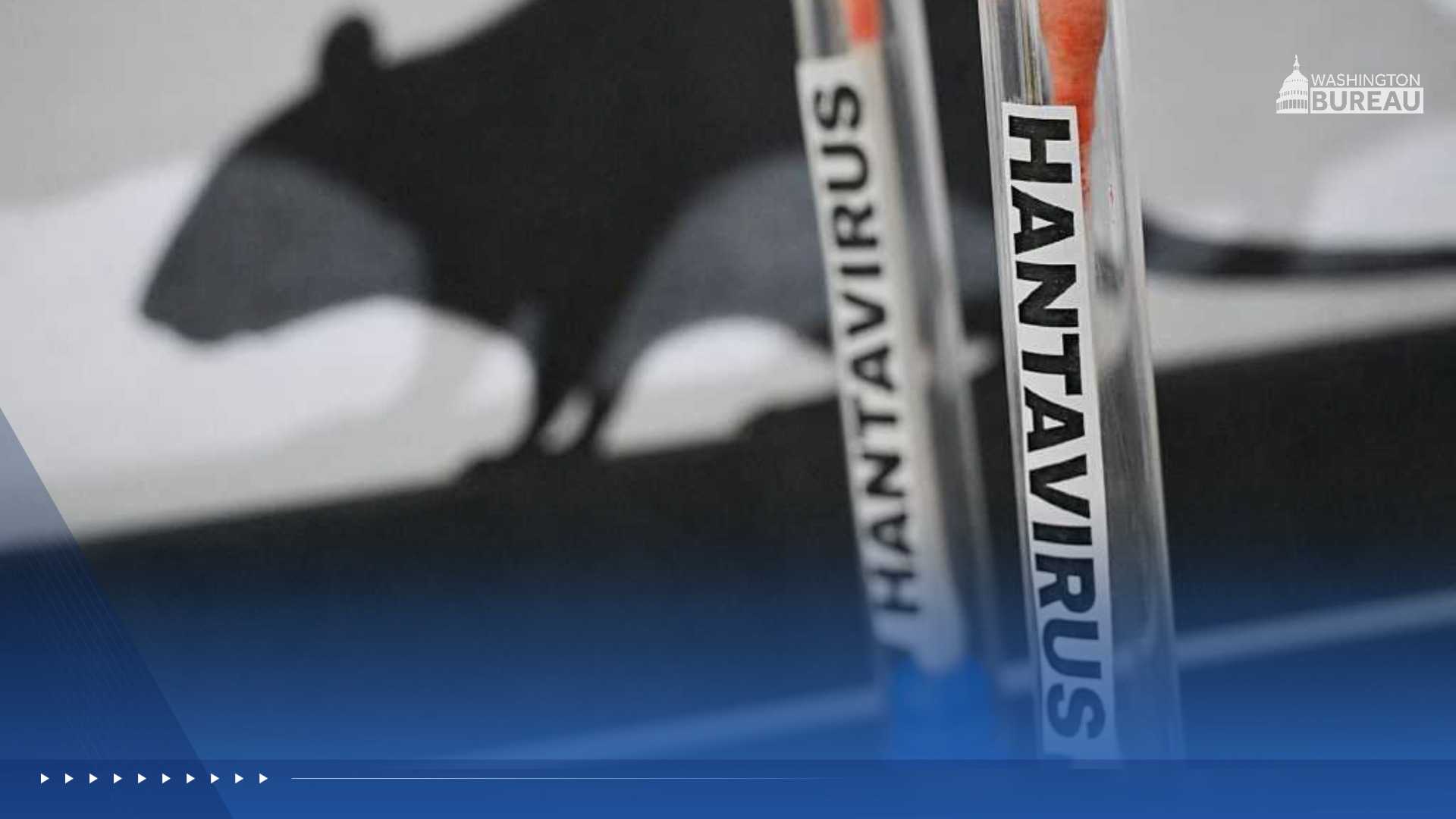
A hantavirus outbreak on a cruise ship has killed three people, prompting international and U.S. health officials to monitor passengers, including Americans, on and off board.

The hantavirus outbreak aboard a cruise ship has killed three people and left several others sick, according to the World Health Organization, which is working to track and monitor potential new cases while stressing the “extremely low” risk of widespread transmission. “We are speaking right now with the U.S. CDC, which has been joining, so the information flow is there,” Dr. Abdirahman Mahamud, director at the Alert and Response Coordination Department of the WHO’s Emergencies Health Program, said in a Thursday press conference. Meanwhile, several state health departments, including those in Georgia, Texas, Arizona, California, and Virginia, confirm they are now monitoring individuals who were on the cruise ship and have since returned home. Health officials are asking passengers and staff to be actively monitored for 45 days after their last exposure to the virus. The Centers for Disease Control and Prevention (CDC) said in a statement that it is working closely with international partners through a “whole-of-government response” to provide technical assistance and guidance to mitigate risk. “As the world’s leader in global health security, the US government is using our premier health experts to guide our response to this evolving situation,” the statement read. “At this time, the risk to the American public is extremely low. We urge all Americans aboard the ship to follow the guidance of health officials as we work to bring you home safely.”A State Department spokesperson says the agency is also in close contact with the cruise ship and passengers and is prepared to provide “consular assistance” to affected Americans. The WHO reports that the Andes strain of hantavirus, the strain currently connected to the cruise ship, has a fatality rate of up to 50% if not caught and diagnosed earlier on. However, health experts stress that transmission requires prolonged, close contact with an infected person, making widespread spread uncommon and inefficient. “There are no approved vaccines or antiviral treatments for this,” Andy Pekosz, a researcher at Johns Hopkins Bloomberg School of Health, said. He added that, as passengers on the cruise ship isolate, health officials will work to keep people alert. “(They will) make sure that people are aware of the symptoms, to pay attention, to try to keep some distance between people whenever possible, and ride out the next three weeks, which should be enough for them to basically say that this outbreak is over,” Pekosz said.Pekosz also says hantavirus outbreaks have occurred in the U.S. before, primarily spreading through exposure to rodent droppings. Symptoms of hantavirus can appear between three days and six weeks after exposure and often resemble flu-like symptoms, according to Pekosz and the WHO. Experts warn that if the virus is not diagnosed and treated early, it can progress into a severe respiratory infection that can turn deadly.Watch the latest coverage on the hantavirus:
The hantavirus outbreak aboard a cruise ship has killed three people and left several others sick, according to the World Health Organization, which is working to track and monitor potential new cases while stressing the “extremely low” risk of widespread transmission.
“We are speaking right now with the U.S. CDC, which has been joining, so the information flow is there,” Dr. Abdirahman Mahamud, director at the Alert and Response Coordination Department of the WHO’s Emergencies Health Program, said in a Thursday press conference.
Advertisement
Meanwhile, several state health departments, including those in Georgia, Texas, Arizona, California, and Virginia, confirm they are now monitoring individuals who were on the cruise ship and have since returned home. Health officials are asking passengers and staff to be actively monitored for 45 days after their last exposure to the virus.
The Centers for Disease Control and Prevention (CDC) said in a statement that it is working closely with international partners through a “whole-of-government response” to provide technical assistance and guidance to mitigate risk.
“As the world’s leader in global health security, the US government is using our premier health experts to guide our response to this evolving situation,” the statement read. “At this time, the risk to the American public is extremely low. We urge all Americans aboard the ship to follow the guidance of health officials as we work to bring you home safely.”
A State Department spokesperson says the agency is also in close contact with the cruise ship and passengers and is prepared to provide “consular assistance” to affected Americans.
The WHO reports that the Andes strain of hantavirus, the strain currently connected to the cruise ship, has a fatality rate of up to 50% if not caught and diagnosed earlier on. However, health experts stress that transmission requires prolonged, close contact with an infected person, making widespread spread uncommon and inefficient.
“There are no approved vaccines or antiviral treatments for this,” Andy Pekosz, a researcher at Johns Hopkins Bloomberg School of Health, said.
He added that, as passengers on the cruise ship isolate, health officials will work to keep people alert.
“(They will) make sure that people are aware of the symptoms, to pay attention, to try to keep some distance between people whenever possible, and ride out the next three weeks, which should be enough for them to basically say that this outbreak is over,” Pekosz said.
Pekosz also says hantavirus outbreaks have occurred in the U.S. before, primarily spreading through exposure to rodent droppings.
Symptoms of hantavirus can appear between three days and six weeks after exposure and often resemble flu-like symptoms, according to Pekosz and the WHO. Experts warn that if the virus is not diagnosed and treated early, it can progress into a severe respiratory infection that can turn deadly.
Watch the latest coverage on the hantavirus: