
Read the full article on KETV 7
MANY AS TEN SEATS IN THREE STATES. NEW TONIGHT. UC DAVIS RESEARCHERS ARE EXPLORING ONE OF THE MYSTERIES OF DEEP SPACE WITH THE HELP OF THE JAMES WEBB TELESCOPE. SO IT’S PRETTY COOL. HEATHER WALDMAN JOINS US NOW WITH WHAT RESEARCHERS LEARNED. SO, HEATHER? YEAH. WHAT DID THEY FIND OUT HERE? YEAH. RESEARCHERS AT UC DAVIS HAVE MADE A SURPRISE DISCOVERY WITH THE HELP OF THE JAMES WEBB TELESCOPE. WEBB ORBITS THE SUN A MILLION MILES AWAY FROM EARTH, GIVING IT THE ABILITY TO SEE THINGS, GALAXIES BEYOND OUR OWN. TAKE A LISTEN. WE KIND OF KNEW WITH ALL THE PLANNING AND ALL THE WORK THAT HAD GONE INTO THE DESIGN OF THE INSTRUMENTS, THAT JAMES WEBB WAS GOING TO DO SOME PRETTY INCREDIBLE THINGS. AND IN SOME RESPECTS, IT’S TURNED OUT TO BE EVEN BETTER THAN WE IMAGINED. AND SO IT’S REALLY, REALLY WONDERFUL TO, TO BE ABLE TO GET DATA FROM THIS TELESCOPE. IT’S, IT’S HIGHLY COMPETITIVE AND BEING ABLE TO WORK WITH IT AND SEE THE, SEE THE NEW DISCOVERIES THAT WE’RE ABLE TO MAKE ACROSS MANY AREAS OF ASTRONOMY IS, IS REALLY, REALLY COOL. UC DAVIS RESEARCHERS OBSERVED SOMETHING UNUSUAL A RELATIVELY YOUNG GALAXY THAT ISN’T SPINNING. THEY’RE ANALYZING THIS GALAXY AND TWO OTHERS OF SIMILAR AGE TO TRY TO FIGURE OUT WHY RESEARCHERS BELIEVE TWO GALAXIES ARE SPINNING IN OPPOSITE DIRECTIONS COLLIDED AT ONE POINT STOPPING THE ROTATION ENTIRELY. ONCE YOU HAVE ONE OBJECT THAT’S INTERESTING, YOU WANT TO UNDERSTAND WHY, AND YOU ALSO WANT TO UNDERSTAND HOW COMMON SUCH THINGS ARE. AND SO TRYING TO FIND MORE OF THESE IS OBVIOUSLY AN INTERESTING AREA. THE OTHER THING FOR THESE GALAXIES IN PARTICULAR, IS TRYING TO GET A BETTER UNDERSTANDING OF HOW THEY FORMED THEIR STARS AND HOW AND WHEN THEY STOPPED FORMING NEW STARS. NOW, UC DAVIS WILL COMPARE ITS OBSERVATIONS WITH SIMULATI
Advertisement
Researchers found a galaxy that isn’t spinning — that’s not normal
The phenomenon may have been caused by a collision between two galaxies

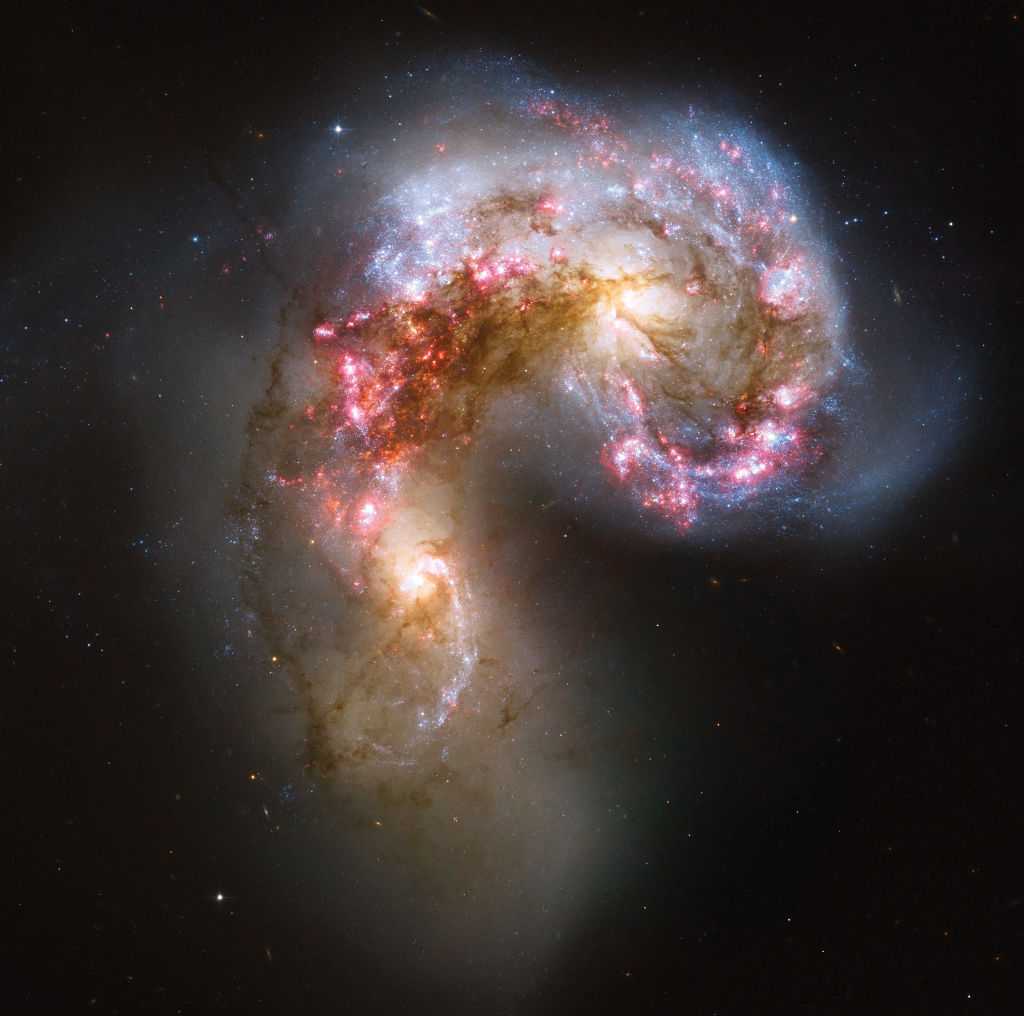
Researchers have made a surprising discovery, with the help of the James Webb Space Telescope: a relatively young galaxy that isn’t spinning. Researchers at the University of California, Davis, are investigating the anomaly. Benjamin Forrest, an assistant researcher in the Department of Physics and Astronomy at UC Davis, explained how this discovery wasn’t possible without Webb.”I think we kind of knew with all the planning, and all the work that had gone into the design of instruments, that James Webb was going to do some pretty incredible things and in some respects it has turned out even better than we had imagined,” said Forrest. “So it is really wonderful to get data from this telescope that’s highly competitive and to be able to work with it and see the new discoveries that we are able to make across many areas of astronomy is really, really cool.” The researchers are analyzing the galaxy, known as XMM-VID1-2075, and two others of similar age to understand why the rotation stopped. They believe the phenomenon may have been caused by a collision between two galaxies spinning in opposite directions. Their findings were published in Nature Astronomy this week.”Once you have one object that’s interesting, you want to understand why,” Forrest said. “You also want to understand how common such things are. And so, trying to find more of these is obviously an interesting area. The other thing for these galaxies in particular is trying to get a better understanding of how they form their stars and how and when they stopped forming new stars.” UC Davis researchers will compare their observations with simulations to test theories about how galaxies form.
Researchers have made a surprising discovery, with the help of the James Webb Space Telescope: a relatively young galaxy that isn’t spinning.
Researchers at the University of California, Davis, are investigating the anomaly. Benjamin Forrest, an assistant researcher in the Department of Physics and Astronomy at UC Davis, explained how this discovery wasn’t possible without Webb.
Advertisement
“I think we kind of knew with all the planning, and all the work that had gone into the design of instruments, that James Webb was going to do some pretty incredible things and in some respects it has turned out even better than we had imagined,” said Forrest. “So it is really wonderful to get data from this telescope that’s highly competitive and to be able to work with it and see the new discoveries that we are able to make across many areas of astronomy is really, really cool.”

The researchers are analyzing the galaxy, known as XMM-VID1-2075, and two others of similar age to understand why the rotation stopped. They believe the phenomenon may have been caused by a collision between two galaxies spinning in opposite directions. Their findings were published in Nature Astronomy this week.
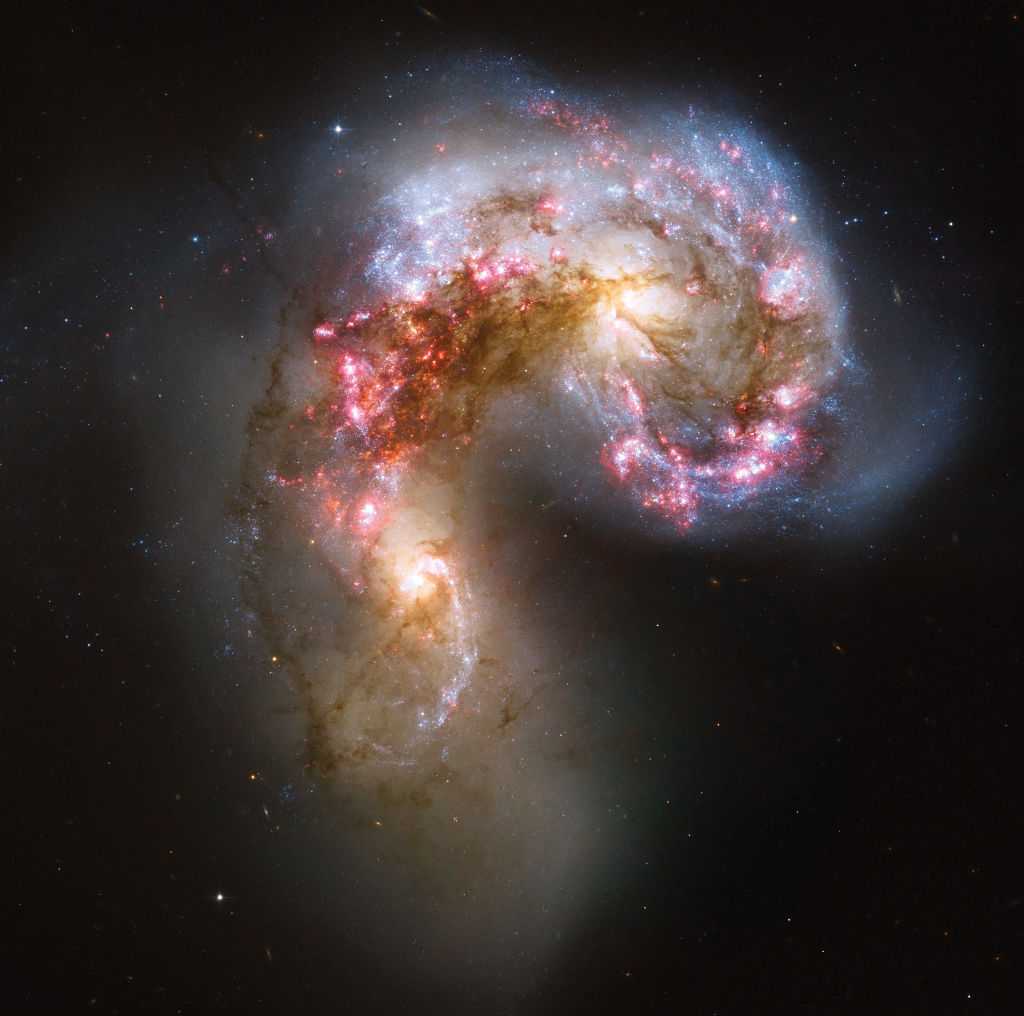
“Once you have one object that’s interesting, you want to understand why,” Forrest said. “You also want to understand how common such things are. And so, trying to find more of these is obviously an interesting area. The other thing for these galaxies in particular is trying to get a better understanding of how they form their stars and how and when they stopped forming new stars.”
UC Davis researchers will compare their observations with simulations to test theories about how galaxies form.