
1st Sky OMA

Loading weather...

Dream apartment or a scam? Here’s how to spot fake rental listings to avoid getting duped

Scammers copy real listings and switch out the agent's contact information with their own.

Read the full article on KETV 7

image

May kicks off peak apartment rental season, as many leases turn over and people gradute or move for jobs. The season typically lasts until September, with the highest traffic around June and July. While many renters search for their next home, scammers are also on the hunt for their next target. Around 65,000 rental scams have been reported to the Federal Trade Commission since 2020, amounting to around $65 million in losses. But the agency says many of these scams go unreported, so these numbers may only be the tip of the iceberg. Adults aged 18 to 29 were three times more likely than other adults to report losing money to a rental scam, according to the FTC. Spot the red flagsScammers create fake but realistic listings by copying legitimate listings and switch out the agent’s contact information with their own. They will then post the fake ads onto a different website. Scammers will draw you in by offering low rent and generous amenities. When you ask to see the rental, the owner will say they are unavailable and then rush you into making a decision. They’ll tell you to send the money by wire transfer, gift card or cryptocurrency to pay for your application fee, deposit and one month’s rent.Once you send them money, they disappear. How to protect yourself Rental hunters should protect themselves by searching the property’s address with the owner or the company name. If you see multiple listings with multiple names on them, that’s an immediate red flag. Be cautious of prices that seem too good for the area and avoid anyone who rushes you into a decision without seeing the place first. Before you sign anything, make sure you see the place in person. If you’re unable to go in person, hop on a video call with the agent and have them walk through the unit. Don’t accept a pre-recorded video, as scammers can easily steal them from another listing. If you tour the place in person, ask the rental agent for their company-issued business card and verify their identification. If you’re working with a private landlord, search the local tax assessment website to learn who owns the property and then ensure the landlord’s identification matches the records. Never send up-front payment before verifying the landlord and the property. If anyone is asking you to pay with gift cards or cryptocurrency, don’t. It’s another red flag. If you encounter a rental scam, report it to local law enforcement, the platform where the ad was originally listed, and the Federal Trade Commission at ReportFraud.ftc.gov.

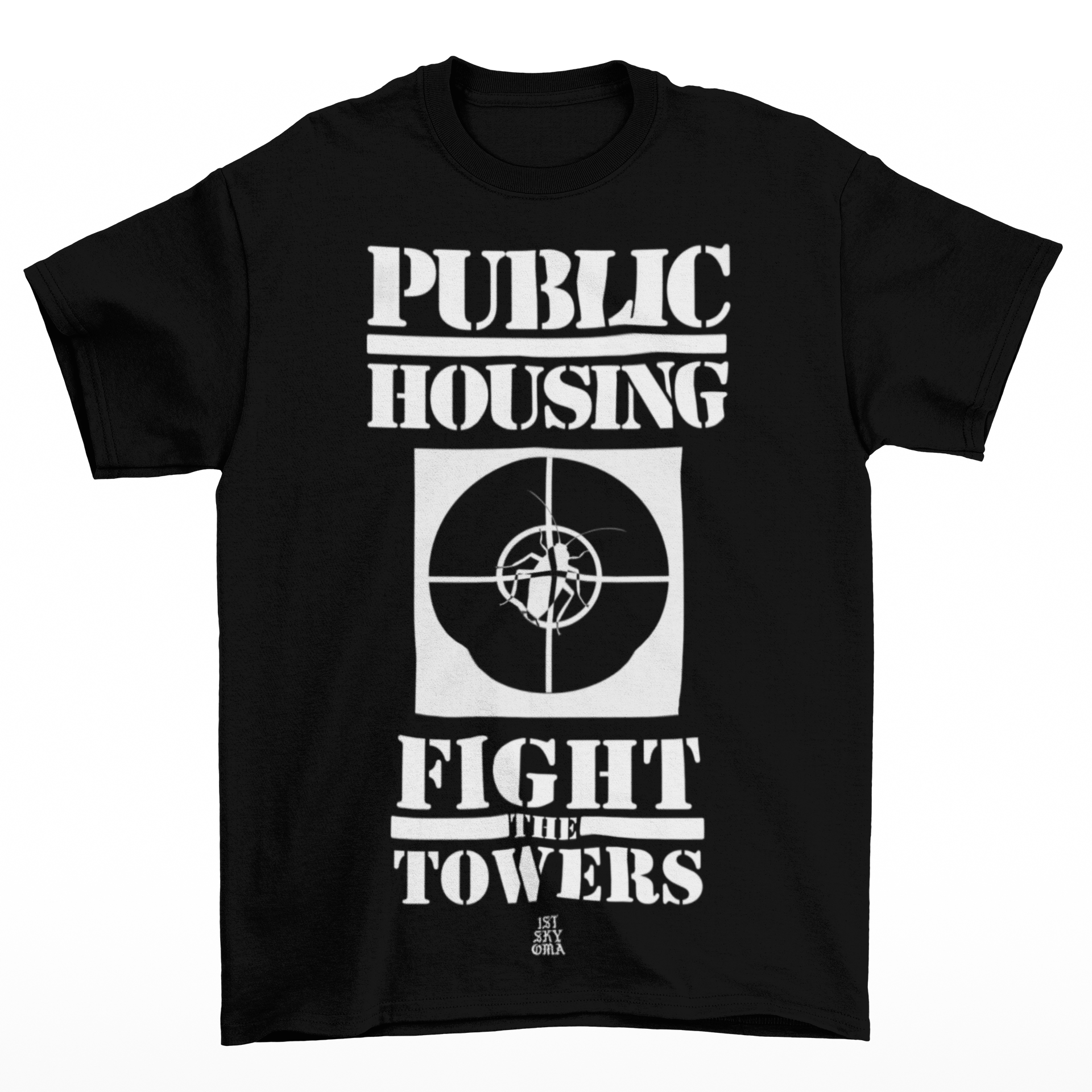
May kicks off peak apartment rental season, as many leases turn over and people gradute or move for jobs. The season typically lasts until September, with the highest traffic around June and July.

While many renters search for their next home, scammers are also on the hunt for their next target.

Advertisement

Around 65,000 rental scams have been reported to the Federal Trade Commission since 2020, amounting to around $65 million in losses. But the agency says many of these scams go unreported, so these numbers may only be the tip of the iceberg.

Adults aged 18 to 29 were three times more likely than other adults to report losing money to a rental scam, according to the FTC.

Spot the red flags

Scammers create fake but realistic listings by copying legitimate listings and switch out the agent’s contact information with their own. They will then post the fake ads onto a different website.

Scammers will draw you in by offering low rent and generous amenities.

When you ask to see the rental, the owner will say they are unavailable and then rush you into making a decision.

They’ll tell you to send the money by wire transfer, gift card or cryptocurrency to pay for your application fee, deposit and one month’s rent.

Once you send them money, they disappear.

How to protect yourself

Rental hunters should protect themselves by searching the property’s address with the owner or the company name. If you see multiple listings with multiple names on them, that’s an immediate red flag.

Be cautious of prices that seem too good for the area and avoid anyone who rushes you into a decision without seeing the place first.

Before you sign anything, make sure you see the place in person. If you’re unable to go in person, hop on a video call with the agent and have them walk through the unit. Don’t accept a pre-recorded video, as scammers can easily steal them from another listing.

If you tour the place in person, ask the rental agent for their company-issued business card and verify their identification.

If you’re working with a private landlord, search the local tax assessment website to learn who owns the property and then ensure the landlord’s identification matches the records.

Never send up-front payment before verifying the landlord and the property. If anyone is asking you to pay with gift cards or cryptocurrency, don’t. It’s another red flag.

If you encounter a rental scam, report it to local law enforcement, the platform where the ad was originally listed, and the Federal Trade Commission at ReportFraud.ftc.gov.

loader-image
Omaha, US
2:59 pm, May 15, 2026
temperature icon 90°F
Partly cloudy
38 %
1003 mb
13 mph
Wind Gust 14 mph
Clouds 50%
Visibility 10 mi
Sunrise 6:05 am
Sunset 8:35 pm

MORE newsNEWS