Read the full article on KETV 7
Nebraska has become the first state in the nation to implement new Medicaid work requirements, moving ahead of a federal deadline by eight months under a law passed last year. Officials in the Department of Health and Human Services say they’ve been readying for the rollout for months now and that it will be a boon for the state, but critics say it will hurt thousands of Nebraskans who rely on Medicaid.” Nebraska wants to make us the guinea pig for the nation,” Schmeeka Simpson, an Omaha community organizer and Medicaid recipient, said. “It feels like the poor people in this state are being targeted. Those who are in between jobs, those who are ill, or caregivers.”The new requirements are set up for the Medicaid expansion population, roughly 72,000 people in Nebraska. They require those recipients to meet work or qualifying activity standards to maintain coverage unless they otherwise qualify for a medical exemption.Simpson said the policy creates uncertainty for families like hers. Simpson works multiple part-time jobs that do not offer health insurance.“Medicaid makes sure my kids have glasses for school and that they can get their sports physicals,” Simpson said.She worries about what the changes will mean for her eligibility and says she is unclear about the process.“What’s going on? I don’t know who I’m supposed to be talking to, what the eligibility process is,” she said.Simpson and other advocates argue the state has not done enough to inform recipients about the new requirements. Some lawmakers have echoed those concerns. “It’s been as transparent and communicative as anything else with DHHS has been in my experience, which is almost not at all,” State Sen. Machaela Cavanaugh said. “If Nebraska proves out the way that I think it’s going to, I guess my hope is that Congress acts and changes it.”One of Cavanaugh’s bills this year requires a report to the legislature on the rollout of the work requirements.”If there’s any possibility to make any changes through legislation next year, we’ll at least have the data to help inform that legislation,” said Cavanaugh, who is term-limited and will not return next year.State officials say about 25,000 Nebraskans could be affected by the new requirements. According to Drew Gonshorowski, director of the Division of Medicaid and Long-Term Care, recipients will be evaluated during their regular renewal periods rather than all at once.“As part of their renewal process, they will receive outreach,” Gonshorowski said. “If we can’t verify work requirement compliance or an exclusion, they will receive a notice in the next year. It’s not that they’re going to expect a letter on May 1 — it’s when your renewal period is.”The Department of Health and Human Services says a large number of renewals will begin in July.DHHS CEO Dr. Steve Corsi praised the policy during a recent cabinet meeting, saying the requirements could even boost the economy and workforce.“These requirements will help Nebraskans achieve greater self-sufficiency, independence, financial stability, and foster personal growth,” Corsi said Monday, April 20, at an open roundtable cabinet meeting. Make sure you can always see the latest news, weather, sports and more from KETV NewsWatch 7 on Google search.NAVIGATE: Home | Weather | Local News | National | Sports | Newscasts on demand |
Nebraska has become the first state in the nation to implement new Medicaid work requirements, moving ahead of a federal deadline by eight months under a law passed last year.
Officials in the Department of Health and Human Services say they’ve been readying for the rollout for months now and that it will be a boon for the state, but critics say it will hurt thousands of Nebraskans who rely on Medicaid.
Advertisement
” Nebraska wants to make us the guinea pig for the nation,” Schmeeka Simpson, an Omaha community organizer and Medicaid recipient, said. “It feels like the poor people in this state are being targeted. Those who are in between jobs, those who are ill, or caregivers.”
The new requirements are set up for the Medicaid expansion population, roughly 72,000 people in Nebraska. They require those recipients to meet work or qualifying activity standards to maintain coverage unless they otherwise qualify for a medical exemption.
Simpson said the policy creates uncertainty for families like hers. Simpson works multiple part-time jobs that do not offer health insurance.
“Medicaid makes sure my kids have glasses for school and that they can get their sports physicals,” Simpson said.
She worries about what the changes will mean for her eligibility and says she is unclear about the process.
“What’s going on? I don’t know who I’m supposed to be talking to, what the eligibility process is,” she said.
Simpson and other advocates argue the state has not done enough to inform recipients about the new requirements. Some lawmakers have echoed those concerns.
“It’s been as transparent and communicative as anything else with DHHS has been in my experience, which is almost not at all,” State Sen. Machaela Cavanaugh said. “If Nebraska proves out the way that I think it’s going to, I guess my hope is that Congress acts and changes it.”
One of Cavanaugh’s bills this year requires a report to the legislature on the rollout of the work requirements.
“If there’s any possibility to make any changes through legislation next year, we’ll at least have the data to help inform that legislation,” said Cavanaugh, who is term-limited and will not return next year.
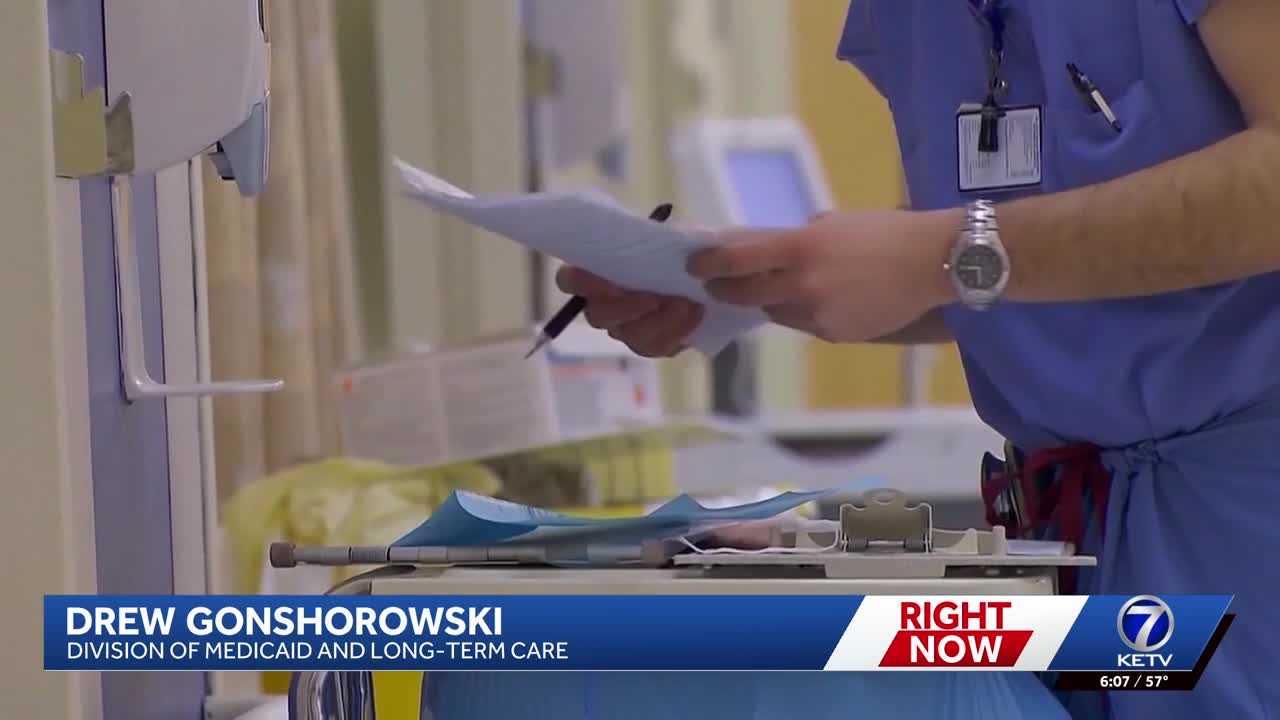
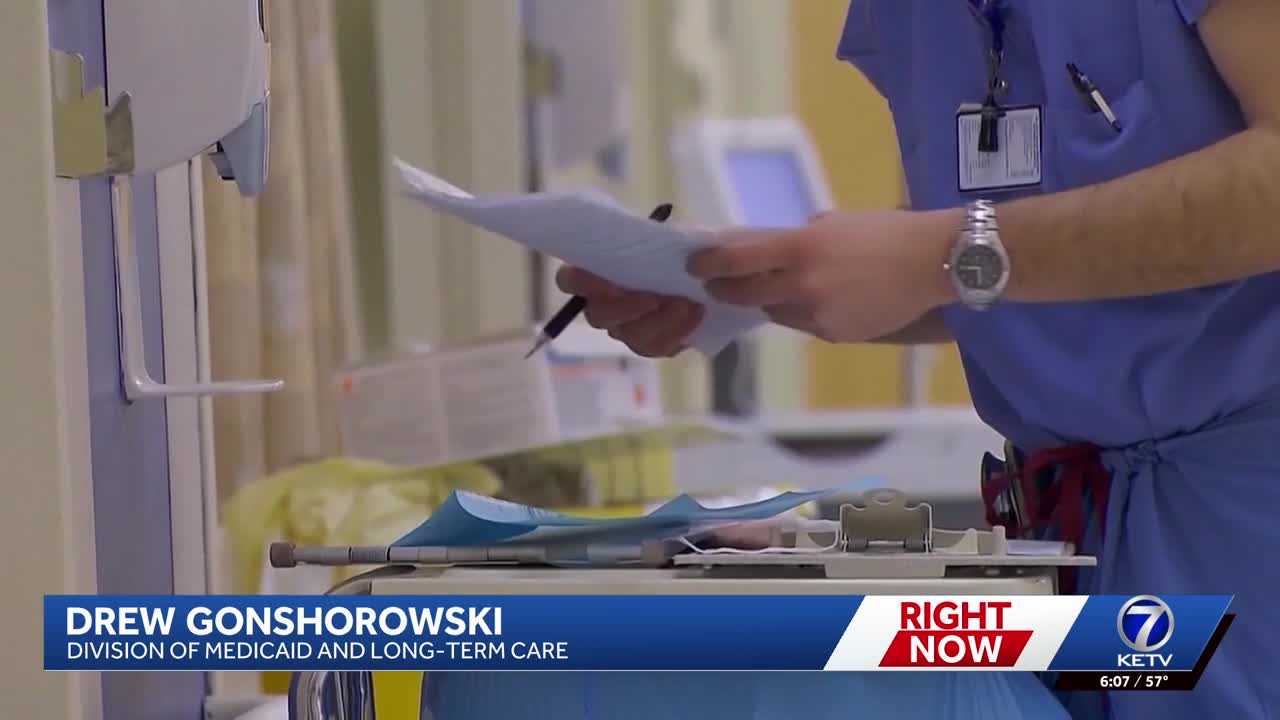
State officials say about 25,000 Nebraskans could be affected by the new requirements. According to Drew Gonshorowski, director of the Division of Medicaid and Long-Term Care, recipients will be evaluated during their regular renewal periods rather than all at once.
“As part of their renewal process, they will receive outreach,” Gonshorowski said. “If we can’t verify work requirement compliance or an exclusion, they will receive a notice in the next year. It’s not that they’re going to expect a letter on May 1 — it’s when your renewal period is.”
The Department of Health and Human Services says a large number of renewals will begin in July.
DHHS CEO Dr. Steve Corsi praised the policy during a recent cabinet meeting, saying the requirements could even boost the economy and workforce.
“These requirements will help Nebraskans achieve greater self-sufficiency, independence, financial stability, and foster personal growth,” Corsi said Monday, April 20, at an open roundtable cabinet meeting.
Make sure you can always see the latest news, weather, sports and more from KETV NewsWatch 7 on Google search.
NAVIGATE: Home | Weather | Local News | National | Sports | Newscasts on demand |