

Read the full article on KETV 7

Freshman high school student Hunter Swafford loves the Cincinnati Bengals, WWE, video games and country music.Like many 14-year-olds, his bedroom is packed with sports memorabilia, Funko Pops and posters of his favorite athletes and entertainers.But behind the collections and teenage hobbies is a journey years in the making.“When he sings, his voice comes out,” Hunter’s father, Tim Swafford, said.Hunter was diagnosed with apraxia when he was 4 years old — a speech disorder that makes it difficult for the brain and mouth to work together to form words.His father said doctors initially warned the family that Hunter may not fully speak until he was 18 years old.“They told me, actually, that it would probably be about 18 if he does talk,” Tim Swafford said. “There was never a guarantee.”For years, Hunter relied on a speech tablet to communicate while attending speech therapy multiple times a week at his school and a local hospital in his Ohio hometown. But over time, through years of therapy, practice and determination, Hunter began making progress.Then, in sixth grade, he discovered music.“Do the words come easier to you when you’re singing?” Hearst sister station WLWT asked Hunter.“Yes. Yes,” he replied with a smile.Music quickly became more than just a hobby. Hunter says singing helps him feel calm, confident and understood.“Singing feels freeing to me,” he said.Now, he participates in choir and musicals — and recently performed a solo during his school’s choir concert.Despite nerves before taking the stage, Hunter delivered the performance in front of a packed auditorium.“I was nervous a lot, and I was shaking, thinking I’d mess up,” Hunter said.His father recorded the performance while trying to hold back tears.“Seeing him go out there and just perform like that, it just shows all the effort that he’s put into this,” Tim Swafford said.After the concert, Hunter told his parents that classmates formed a tunnel to celebrate him as he walked off stage, high-fiving him and congratulating him on the performance.“That right there was so special to us,” his father said. “That’s all he wants. He wants to be accepted by his peers.”The family hopes Hunter’s story inspires other children and families facing challenges of their own.“I want this story out to all the kids that struggle every day with a disability,” Tim Swafford said. “Don’t give up because you’re no different than nobody else.”Hunter echoed that message himself.“Don’t give up about your dreams,” he said. “Do not give up.”
Freshman high school student Hunter Swafford loves the Cincinnati Bengals, WWE, video games and country music.
Advertisement
Like many 14-year-olds, his bedroom is packed with sports memorabilia, Funko Pops and posters of his favorite athletes and entertainers.
But behind the collections and teenage hobbies is a journey years in the making.
“When he sings, his voice comes out,” Hunter’s father, Tim Swafford, said.
Hunter was diagnosed with apraxia when he was 4 years old — a speech disorder that makes it difficult for the brain and mouth to work together to form words.
His father said doctors initially warned the family that Hunter may not fully speak until he was 18 years old.
“They told me, actually, that it would probably be about 18 if he does talk,” Tim Swafford said. “There was never a guarantee.”
For years, Hunter relied on a speech tablet to communicate while attending speech therapy multiple times a week at his school and a local hospital in his Ohio hometown.
But over time, through years of therapy, practice and determination, Hunter began making progress.
Then, in sixth grade, he discovered music.
“Do the words come easier to you when you’re singing?” Hearst sister station WLWT asked Hunter.
“Yes. Yes,” he replied with a smile.
Music quickly became more than just a hobby. Hunter says singing helps him feel calm, confident and understood.
“Singing feels freeing to me,” he said.
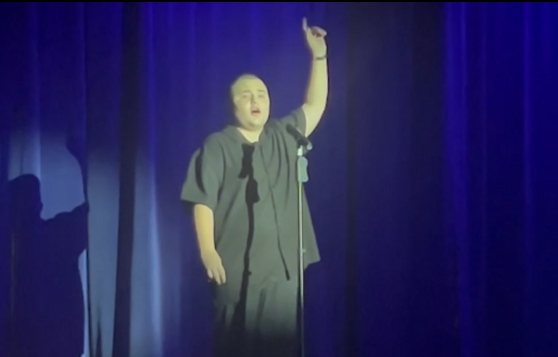
Now, he participates in choir and musicals — and recently performed a solo during his school’s choir concert.
Despite nerves before taking the stage, Hunter delivered the performance in front of a packed auditorium.
“I was nervous a lot, and I was shaking, thinking I’d mess up,” Hunter said.
His father recorded the performance while trying to hold back tears.
“Seeing him go out there and just perform like that, it just shows all the effort that he’s put into this,” Tim Swafford said.
After the concert, Hunter told his parents that classmates formed a tunnel to celebrate him as he walked off stage, high-fiving him and congratulating him on the performance.
“That right there was so special to us,” his father said. “That’s all he wants. He wants to be accepted by his peers.”
The family hopes Hunter’s story inspires other children and families facing challenges of their own.
“I want this story out to all the kids that struggle every day with a disability,” Tim Swafford said. “Don’t give up because you’re no different than nobody else.”
Hunter echoed that message himself.
“Don’t give up about your dreams,” he said. “Do not give up.”