

Read the full article on KETV 7

The closure of Spirit Airlines could lead to higher ticket prices for travelers at a time when elevated jet fuel costs from the war with Iran are also putting upward pressure on airfares. The U.S. Department of Transportation announced that some airlines are temporarily capping ticket prices for Spirit customers scrambling to rebook canceled flights. Others have pledged to reduce or freeze fares on popular Spirit routes. But the relief is expected to be short-lived, according to John Breyault with the National Consumers League. “We know that when Spirit began flying on a particular route, other airlines would respond by lowering their prices. So, without Spirit in the game anymore, I think what consumers can expect is that there will be less pressure on prices, which is particularly painful now, given how expensive flights are becoming because of the jet fuel prices related to the Iran war,” Breyault said. In a press release announcing the closure on Saturday, Spirit’s President and CEO Dave Davis said, “The sudden and sustained rise in fuel prices in recent weeks ultimately has left us with no alternative but to pursue an orderly wind-down of the Company.” Transportation Secretary Sean Duffy said Spirit “was in dire straits long before the war with Iran.””Their model wasn’t working. They couldn’t get to fiscal health,” Duffy said during a Saturday morning press conference. “The war was not the impetus for Spirit.”The Trump administration had considered a government bailout to keep Spirit afloat, but a deal was not reached in the end. Duffy addressed other low-cost airlines seeking government relief due to high jet fuel prices. “At this point, I don’t think it’s necessary. They do have access to cash. If they want to come to the U.S. government, we would be a lender of last resort,” Duffy said.Asked about concerns that airfares will increase, Duffy said the department will continue to monitor prices and competition in the industry. He also blamed the Biden administration for blocking a proposed merger between Spirit and JetBlue in 2023. “This merger should have been allowed, and this today would indicate this is not better for travelers. This is not better for pricing. This is not better for competition. Actually, it’s worse,” Duffy said. Breyault pushed back on that premise. “If the idea is that two airlines have to merge in order for them to serve customers better, I don’t think that is necessarily something that holds water,” Breyault said. “I don’t think that if the Biden administration had allowed JetBlue and Spirit merger to go through, that suddenly we would have not been in this position.”
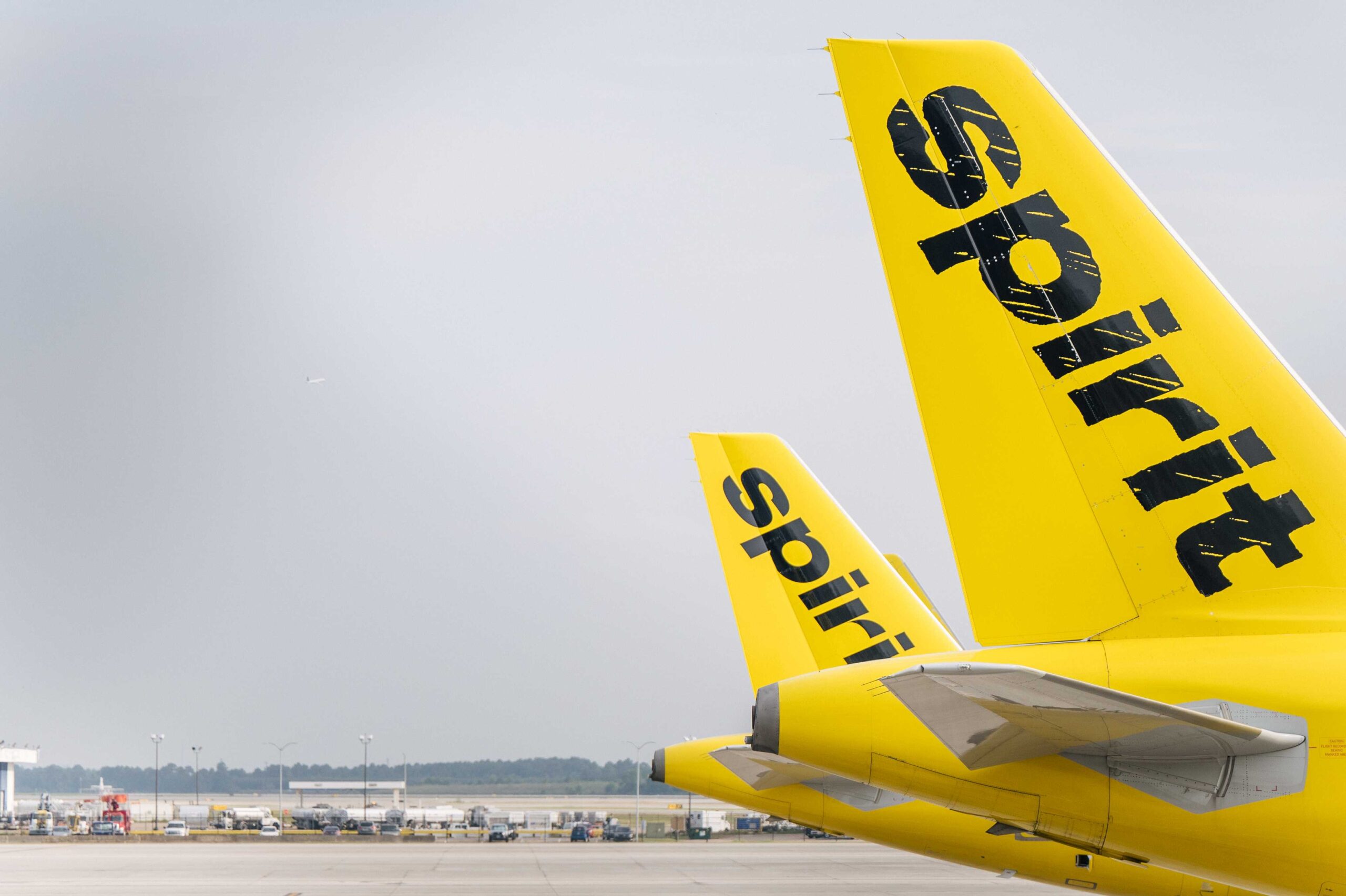
The closure of Spirit Airlines could lead to higher ticket prices for travelers at a time when elevated jet fuel costs from the war with Iran are also putting upward pressure on airfares.
The U.S. Department of Transportation announced that some airlines are temporarily capping ticket prices for Spirit customers scrambling to rebook canceled flights. Others have pledged to reduce or freeze fares on popular Spirit routes.
Advertisement
But the relief is expected to be short-lived, according to John Breyault with the National Consumers League.
“We know that when Spirit began flying on a particular route, other airlines would respond by lowering their prices. So, without Spirit in the game anymore, I think what consumers can expect is that there will be less pressure on prices, which is particularly painful now, given how expensive flights are becoming because of the jet fuel prices related to the Iran war,” Breyault said.
In a press release announcing the closure on Saturday, Spirit’s President and CEO Dave Davis said, “The sudden and sustained rise in fuel prices in recent weeks ultimately has left us with no alternative but to pursue an orderly wind-down of the Company.”
Transportation Secretary Sean Duffy said Spirit “was in dire straits long before the war with Iran.”
“Their model wasn’t working. They couldn’t get to fiscal health,” Duffy said during a Saturday morning press conference. “The war was not the impetus for Spirit.”
The Trump administration had considered a government bailout to keep Spirit afloat, but a deal was not reached in the end. Duffy addressed other low-cost airlines seeking government relief due to high jet fuel prices.
“At this point, I don’t think it’s necessary. They do have access to cash. If they want to come to the U.S. government, we would be a lender of last resort,” Duffy said.
Asked about concerns that airfares will increase, Duffy said the department will continue to monitor prices and competition in the industry. He also blamed the Biden administration for blocking a proposed merger between Spirit and JetBlue in 2023.
“This merger should have been allowed, and this today would indicate this is not better for travelers. This is not better for pricing. This is not better for competition. Actually, it’s worse,” Duffy said.
Breyault pushed back on that premise.
“If the idea is that two airlines have to merge in order for them to serve customers better, I don’t think that is necessarily something that holds water,” Breyault said. “I don’t think that if the Biden administration had allowed JetBlue and Spirit merger to go through, that suddenly we would have not been in this position.”