
Read the full article on KETV 7

A long-awaited makeover is underway on air traffic control systems across the country. The U.S. Department of Transportation (USDOT) and Federal Aviation Administration (FAA) are about a year into the three-year plan to modernize air traffic control (ATC) systems.The overhaul was launched after a deadly midair collision between a U.S. Army helicopter and a passenger plane outside Washington, D.C.”It prompted us to take a look at the systems that we are using to manage our airspace,” Transportation Secretary Sean Duffy said.The USDOT and FAA have targeted four main systems: wires, communications, radars, and flight strips. Aviation safety experts stressed that these systems are critical for ensuring safer air travel.Duffy described the outdated state of current systems. “We are still using floppy disks, flight strips—paper flight strips—and we are using an old network,” he said.The USDOT said it expects to have new network connections, communication and radar software, smart computers for electronic flight strips, and artificial intelligence tools implemented at 4,600 FAA sites by the end of 2028.So far, half the systems’ copper wires have been replaced with fiber, satellite, or wireless connections; 270 radio sites have been converted; 17 ATC towers have started using electronic flight strips; and 54 airports have begun tracking aircraft and ground vehicle movements with new Surface Awareness Systems.”This technology does not replace people. It makes them superhuman. Our agentic AI handles the data. People make the decisions. And together we deliver,” said Justin Ciaccio, President of Peraton’s National Aerospace Solutions Sector. The FAA awarded technology and national security company Peraton with the contract to upgrade the national ATC system.Aviation safety experts emphasized that the AI tools will operate under the supervision of controllers. “The FAA is planning to use AI and AI-related technology to be able to tap into that information, to be able to predict, proactively, where certain safety issues might emerge,” said Dr. Hassan Shahidi, Flight Safety Foundation president and CEO.Duffy expressed hope that the upgraded technology will attract a new generation of air traffic controllers.”They want to use the best technology the world and America has to offer, and putting that in our facilities is going to attract the best and the brightest to come into this field,” Duffy said. The administration has funded the improvements so far with $12.5 billion from the One Big Beautiful Bill Act. Duffy said the USDOT will need at least $20 billion more in tax dollars to complete the project. The department has requested $26.6 billion for its total 2027 budget.Follow updates from the Washington News Bureau:
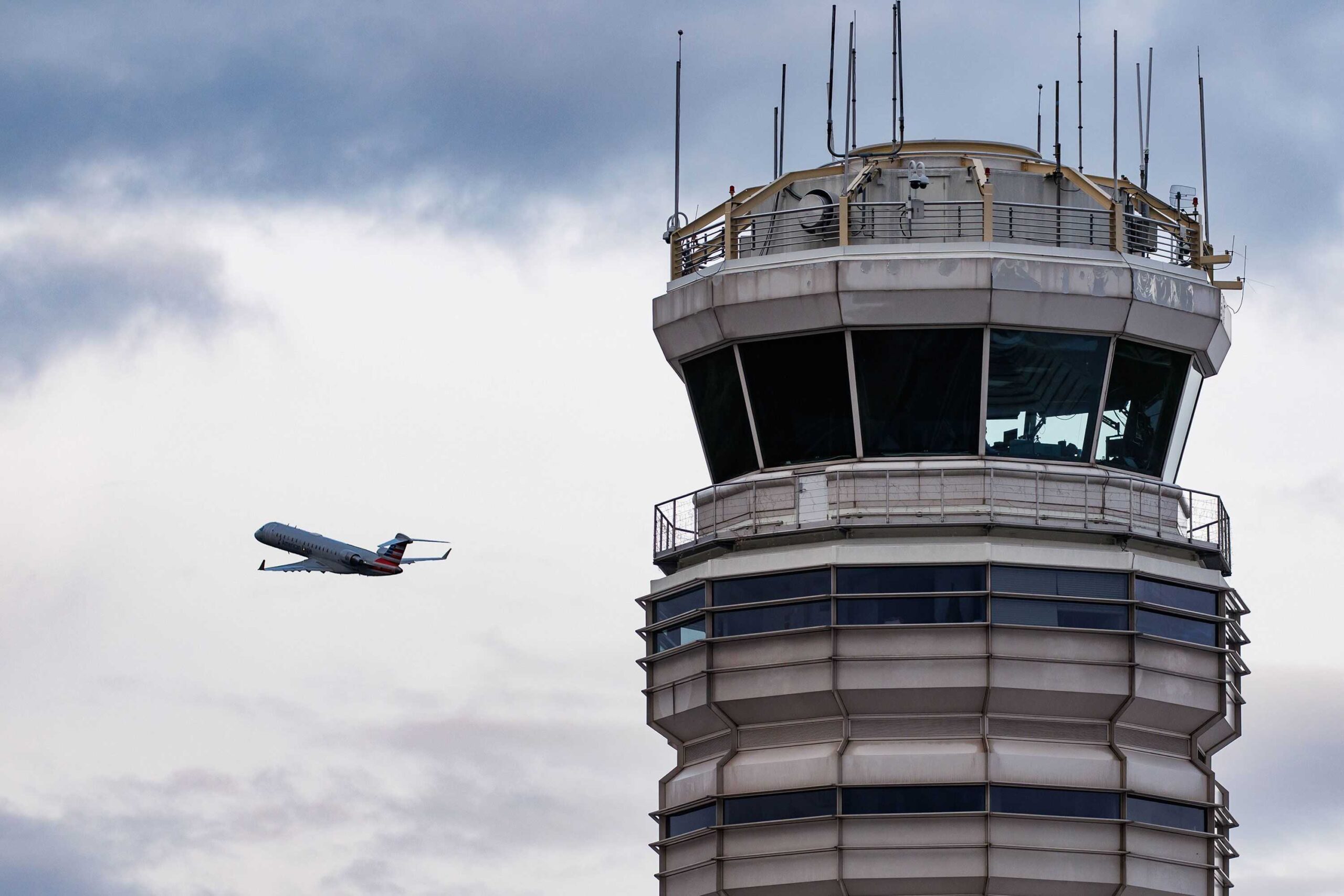
A long-awaited makeover is underway on air traffic control systems across the country. The U.S. Department of Transportation (USDOT) and Federal Aviation Administration (FAA) are about a year into the three-year plan to modernize air traffic control (ATC) systems.
The overhaul was launched after a deadly midair collision between a U.S. Army helicopter and a passenger plane outside Washington, D.C.
Advertisement
“It prompted us to take a look at the systems that we are using to manage our airspace,” Transportation Secretary Sean Duffy said.
The USDOT and FAA have targeted four main systems: wires, communications, radars, and flight strips. Aviation safety experts stressed that these systems are critical for ensuring safer air travel.
Duffy described the outdated state of current systems. “We are still using floppy disks, flight strips—paper flight strips—and we are using an old network,” he said.
The USDOT said it expects to have new network connections, communication and radar software, smart computers for electronic flight strips, and artificial intelligence tools implemented at 4,600 FAA sites by the end of 2028.
So far, half the systems’ copper wires have been replaced with fiber, satellite, or wireless connections; 270 radio sites have been converted; 17 ATC towers have started using electronic flight strips; and 54 airports have begun tracking aircraft and ground vehicle movements with new Surface Awareness Systems.
“This technology does not replace people. It makes them superhuman. Our agentic AI handles the data. People make the decisions. And together we deliver,” said Justin Ciaccio, President of Peraton’s National Aerospace Solutions Sector. The FAA awarded technology and national security company Peraton with the contract to upgrade the national ATC system.
Aviation safety experts emphasized that the AI tools will operate under the supervision of controllers. “The FAA is planning to use AI and AI-related technology to be able to tap into that information, to be able to predict, proactively, where certain safety issues might emerge,” said Dr. Hassan Shahidi, Flight Safety Foundation president and CEO.
Duffy expressed hope that the upgraded technology will attract a new generation of air traffic controllers.
“They want to use the best technology the world and America has to offer, and putting that in our facilities is going to attract the best and the brightest to come into this field,” Duffy said.
The administration has funded the improvements so far with $12.5 billion from the One Big Beautiful Bill Act. Duffy said the USDOT will need at least $20 billion more in tax dollars to complete the project. The department has requested $26.6 billion for its total 2027 budget.
Follow updates from the Washington News Bureau: