

Read the full article on KETV 7

Fast fashion may not be draining your wallet at checkout, but it could be costing you in ways you don’t see. From how often you actually wear your clothes to the growing number of return fees, those affordable purchases can quietly add up. Our National Consumer Unit breaks down what’s really happening and how to shop smarter. We’re buying more, but wearing pieces lessIf your closet feels full, but you still have “nothing to wear,” you’re not alone. Research from the Ellen MacArthur Foundation shows people are buying more clothing than ever, but wearing each item fewer times. That shift is driving up the “cost per wear” of your items. The hidden math behind your clothes Cost per wear is exactly what it sounds like: How much you’re paying each time you actually wear something. Here’s a simple example, a $15 shirt worn five times equals $3 per wear. But a $60 shirt worn 40 times equals $1.50 per wear. That means the more expensive item can actually be a better deal if you wear it more often or for longer.So, while fast fashion may feel like a bargain in the moment, it can end up costing more if you’re replacing items frequently. Returns are not always “free”Online shopping habits are also starting to hit consumers’ wallets. Ordering multiple sizes and then returning what doesn’t fit is convenient, but for retailers, it’s becoming too expensive. In response, more companies are passing those costs on to shoppers. According to the National Retail Federation, 72% of retailers began charging for some returns in 2025, up from 66% the year before. At Shein, shoppers get one free return per order, then it’s $7.99 for additional returns from the same order. Zara charges $4.95 and H&M charges $3.99 for mail-in returns.Other retailers are doing away with full refunds altogether. Fashion Nova, for instance, deducts $4.99 to $9.99 from your store credit refund.You may already own what you need Before adding something new to your cart, it might be worth it to shop in your closet first.A 2024 survey showed the average U.S. adult has about six unworn clothing items in their closet.How to shop smarter and save more If you want to cut back on unnecessary spending without giving up shopping altogether, here are a few strategies experts recommend: Try the “three outfit test”: Before you buy anything, ask yourself, “Can I style this at least three different ways?” If not, it might not be worth buying.Check secondhand options: Resale platforms like Poshmark and ThredUp can offer the same items for less, sometimes even brand new with tags. Local thrift stores are also an option.Try the 24-hour rule: Put it in your cart and wait a day to decide if you really need it. That one move could reduce impulsive spending, improve the cost-per-wear of your clothes and save you from the hassle of costly returns. The bottom line Fast fashion may feel like a quick win at checkout, but the long-term costs can tell a different story. Between wearing the items less often, paying for returns and replacing items more frequently, those “cheap” buys can add up. Taking a few extra steps before you purchase, like shopping your closet, checking resale options or simply waiting a day, can save money and reduce impulse spending.
Fast fashion may not be draining your wallet at checkout, but it could be costing you in ways you don’t see. From how often you actually wear your clothes to the growing number of return fees, those affordable purchases can quietly add up. Our National Consumer Unit breaks down what’s really happening and how to shop smarter.
We’re buying more, but wearing pieces less
Advertisement
If your closet feels full, but you still have “nothing to wear,” you’re not alone.
Research from the Ellen MacArthur Foundation shows people are buying more clothing than ever, but wearing each item fewer times. That shift is driving up the “cost per wear” of your items.
The hidden math behind your clothes
Cost per wear is exactly what it sounds like: How much you’re paying each time you actually wear something.
Here’s a simple example, a $15 shirt worn five times equals $3 per wear. But a $60 shirt worn 40 times equals $1.50 per wear.
That means the more expensive item can actually be a better deal if you wear it more often or for longer.
So, while fast fashion may feel like a bargain in the moment, it can end up costing more if you’re replacing items frequently.
Returns are not always “free”
Online shopping habits are also starting to hit consumers’ wallets.
Ordering multiple sizes and then returning what doesn’t fit is convenient, but for retailers, it’s becoming too expensive. In response, more companies are passing those costs on to shoppers.
According to the National Retail Federation, 72% of retailers began charging for some returns in 2025, up from 66% the year before.
At Shein, shoppers get one free return per order, then it’s $7.99 for additional returns from the same order. Zara charges $4.95 and H&M charges $3.99 for mail-in returns.
Other retailers are doing away with full refunds altogether. Fashion Nova, for instance, deducts $4.99 to $9.99 from your store credit refund.
You may already own what you need
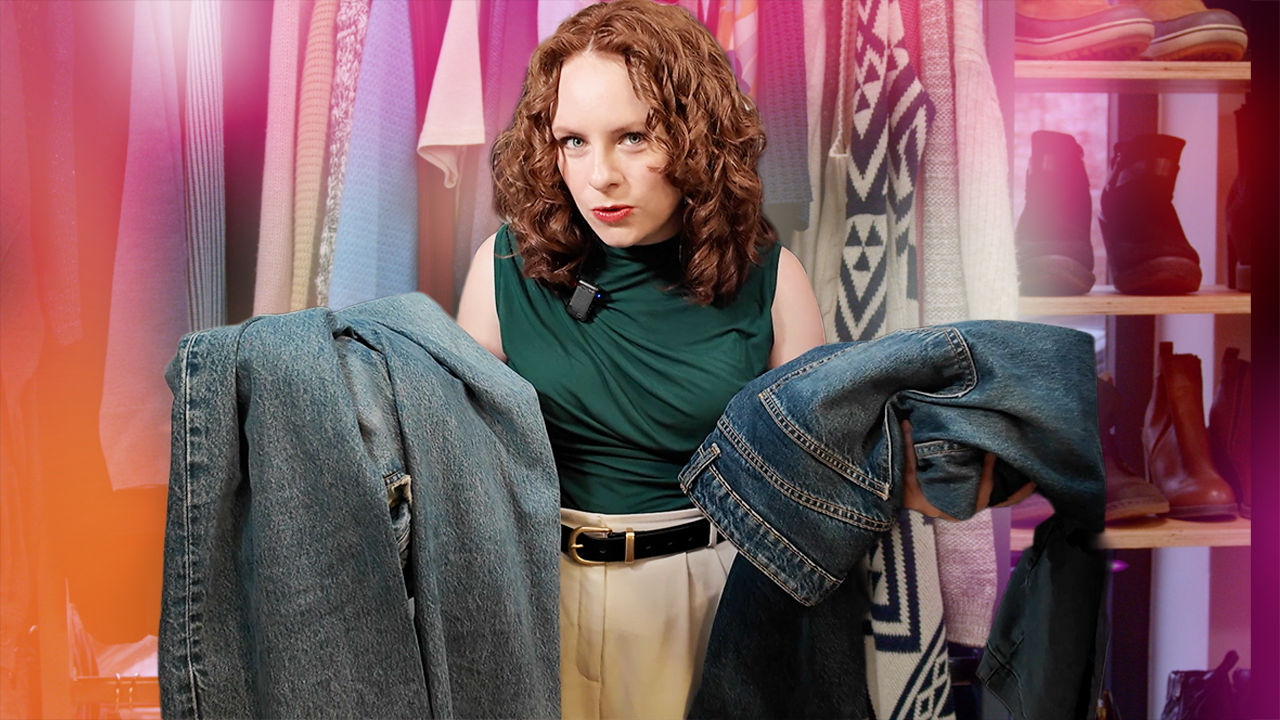
Before adding something new to your cart, it might be worth it to shop in your closet first.
A 2024 survey showed the average U.S. adult has about six unworn clothing items in their closet.
How to shop smarter and save more
If you want to cut back on unnecessary spending without giving up shopping altogether, here are a few strategies experts recommend:
- Try the “three outfit test”: Before you buy anything, ask yourself, “Can I style this at least three different ways?” If not, it might not be worth buying.
- Check secondhand options: Resale platforms like Poshmark and ThredUp can offer the same items for less, sometimes even brand new with tags. Local thrift stores are also an option.
- Try the 24-hour rule: Put it in your cart and wait a day to decide if you really need it. That one move could reduce impulsive spending, improve the cost-per-wear of your clothes and save you from the hassle of costly returns.
The bottom line
Fast fashion may feel like a quick win at checkout, but the long-term costs can tell a different story.
Between wearing the items less often, paying for returns and replacing items more frequently, those “cheap” buys can add up.
Taking a few extra steps before you purchase, like shopping your closet, checking resale options or simply waiting a day, can save money and reduce impulse spending.