

Read the full article on KETV 7
ISOLATION AT THE HOSPITAL, AND MORE CASES ARE BEING REPORTED AROUND THE WORLD. SO HOW DOES IT SPREAD AND COULD YOU BE AT RISK? EXPERTS AT UNIVERSITY OF NEBRASKA MEDICAL CENTER SAY WHILE NEBRASKA HAS SEEN CASES BEFORE, THE OVERALL RISK TO THE PUBLIC REMAINS LOW. KETV NEWSWATCH SEVEN’S CONNOR GETS THE FACTS AND EXPLAINS WHY DOCTORS SAY THIS IS NOT ANOTHER COVID OUTBREAK. THE IMAGES OF PROTECTIVE SUITS, QUARANTINE AND CRUISE SHIPS ARE REMINDING PEOPLE OF THE EARLY DAYS OF COVID 19. BUT INFECTIOUS DISEASE EXPERTS SAY THE HANTAVIRUS IS FAR DIFFERENT AND MUCH LESS LIKELY TO SPREAD WIDELY. I DO NOT THINK THE PUBLIC SHOULD BE WORRIED ABOUT THIS SPREADING IN A WAY THAT WE SAW WITH COVID 19. DOCTOR KELLEY KHARKIV WITH NEBRASKA MEDICINE SAYS HANTAVIRUS IS PRIMARILY LINKED TO CONTACT WITH INFECTED RODENT DROPPINGS, URINE OR SALIVA, OFTEN FOUND IN ENCLOSED SPACES LIKE SHEDS, BARNS OR CABINS. LOOKING BACK FROM 1993 TO 2023, WHICH WAS THE LAST UPDATED DATA I SEE AVAILABLE, WE ONLY HAD NINE CASES IN THE STATE OF NEBRASKA. DOCTORS SAY WHILE THE VIRUS CAN BE DANGEROUS, CASES HERE REMAIN RARE. IT IS NOT AS EASILY SPREAD AS ANY OF THESE OTHER VIRUSES THAT WE’VE TALKED ABOUT. SO THE GENERAL RISK TO KIND OF THE GLOBE, OUR LOCAL COMMUNITIES EVERYWHERE OF THIS SPREADING RAPIDLY IS INCREDIBLY LOW. UNLIKE COVID 19, EXPERTS SAY HANTAVIRUS TYPICALLY REQUIRES PROLONGED CLOSE EXPOSURE AND DOES NOT SPREAD EASILY THROUGH CASUAL CONTACT. IT REALLY TAKES CLOSE CONTACT WITHIN A FEW FEET OF THAT PERSON OVER A PERIOD OF TIME. SO IT’S NOT A IN PASSING EXPOSURE THAT WE WOULD ANTICIPATE. COCO SAYS SYMPTOMS OFTEN BEGIN WITH FEVER, HEADACHES, AND BODY ACHES BEFORE TURNING INTO BREATHING PROBLEMS. IN MORE SERIOUS CASES. YOU NEED TO BE CAUTIOUS ABOUT IF THERE ARE RODENTS, RODENT INFESTED AREAS. THAT’S WHERE THE RISK COMES FROM, KHARKIV SAYS. THE BEST WAY TO PROTECT YOURSELF IS AVOIDING EXPOSURE TO RODENT DROPPINGS AND USING PRECAUT
Advertisement
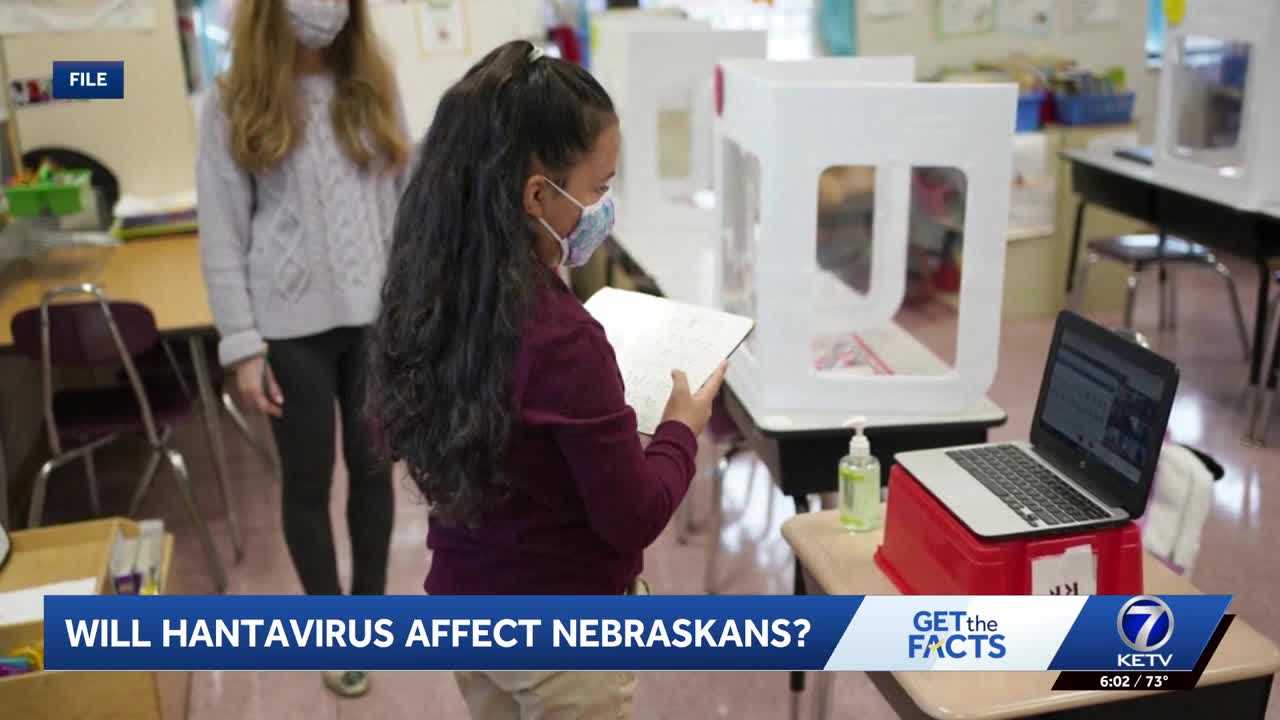
Get the Facts: Will the hantavirus impact Nebraskans?
Nebraska Medicine says the virus is not likely to spread the way we saw with COVID-19

As headlines surrounding hantavirus cases tied to international travel continue to spread, infectious disease experts in Nebraska say the public should not panic.Dr. Kelly Cawcutt, with Nebraska Medicine, says while recent images of quarantines and protective equipment may remind people of the early days of COVID-19, hantavirus behaves much differently.”I do not think the public should be worried about this spreading in a way that we saw with COVID-19,” Cawcutt said.Hantavirus is primarily linked to exposure to infected rodent droppings, urine or saliva, often in enclosed areas such as sheds, barns, cabins or garages. People can become infected after breathing in contaminated dust particles stirred into the air.According to Cawcutt, Nebraska has seen very few confirmed cases over the last several decades.”Looking back from 1993 to 2023, which was the last updated data I see available, we had only had nine cases in the state of Nebraska,” she said.Doctors say the virus can be serious, but remains rare and is not easily spread between people. Unlike COVID-19, experts say hantavirus generally requires prolonged close contact for transmission rather than brief casual encounters.Symptoms can include fever, headaches and body aches before progressing to breathing complications in more severe cases.Cawcutt says the best way to reduce risk is by avoiding rodent-infested areas and taking precautions like wearing masks and using disinfectants while cleaning enclosed spaces where rodents may have been present.Make sure you can always see the latest news, weather, sports and more from KETV NewsWatch 7 on Google search.NAVIGATE: Home | Weather | Local News | National | Sports | Newscasts on demand |
As headlines surrounding hantavirus cases tied to international travel continue to spread, infectious disease experts in Nebraska say the public should not panic.
Dr. Kelly Cawcutt, with Nebraska Medicine, says while recent images of quarantines and protective equipment may remind people of the early days of COVID-19, hantavirus behaves much differently.
Advertisement
“I do not think the public should be worried about this spreading in a way that we saw with COVID-19,” Cawcutt said.
Hantavirus is primarily linked to exposure to infected rodent droppings, urine or saliva, often in enclosed areas such as sheds, barns, cabins or garages. People can become infected after breathing in contaminated dust particles stirred into the air.
According to Cawcutt, Nebraska has seen very few confirmed cases over the last several decades.
“Looking back from 1993 to 2023, which was the last updated data I see available, we had only had nine cases in the state of Nebraska,” she said.
Doctors say the virus can be serious, but remains rare and is not easily spread between people. Unlike COVID-19, experts say hantavirus generally requires prolonged close contact for transmission rather than brief casual encounters.
Symptoms can include fever, headaches and body aches before progressing to breathing complications in more severe cases.
Cawcutt says the best way to reduce risk is by avoiding rodent-infested areas and taking precautions like wearing masks and using disinfectants while cleaning enclosed spaces where rodents may have been present.
Make sure you can always see the latest news, weather, sports and more from KETV NewsWatch 7 on Google search.
NAVIGATE: Home | Weather | Local News | National | Sports | Newscasts on demand |